Farming landscapes can evolve into vibrant havens for wildlife without sacrificing productivity. By adopting targeted strategies, growers foster healthier soils, attract beneficial insects, and create a dynamic environment where crops and native species thrive. The drive toward more resilient agricultural systems hinges on integrating a variety of practices that enhance biodiversity while maintaining profitability and efficiency.
Assessing Your Land and Setting Goals
Before making any changes, take the time to understand the current state of your farm. A thorough assessment lays the groundwork for tailored interventions and measurable progress.
Mapping Existing Habitats
Start by creating a detailed map that identifies:
- Patchwork of woodlots, hedges, and riparian strips
- Areas under cultivation and their soil types
- Any existing wetlands or ponds
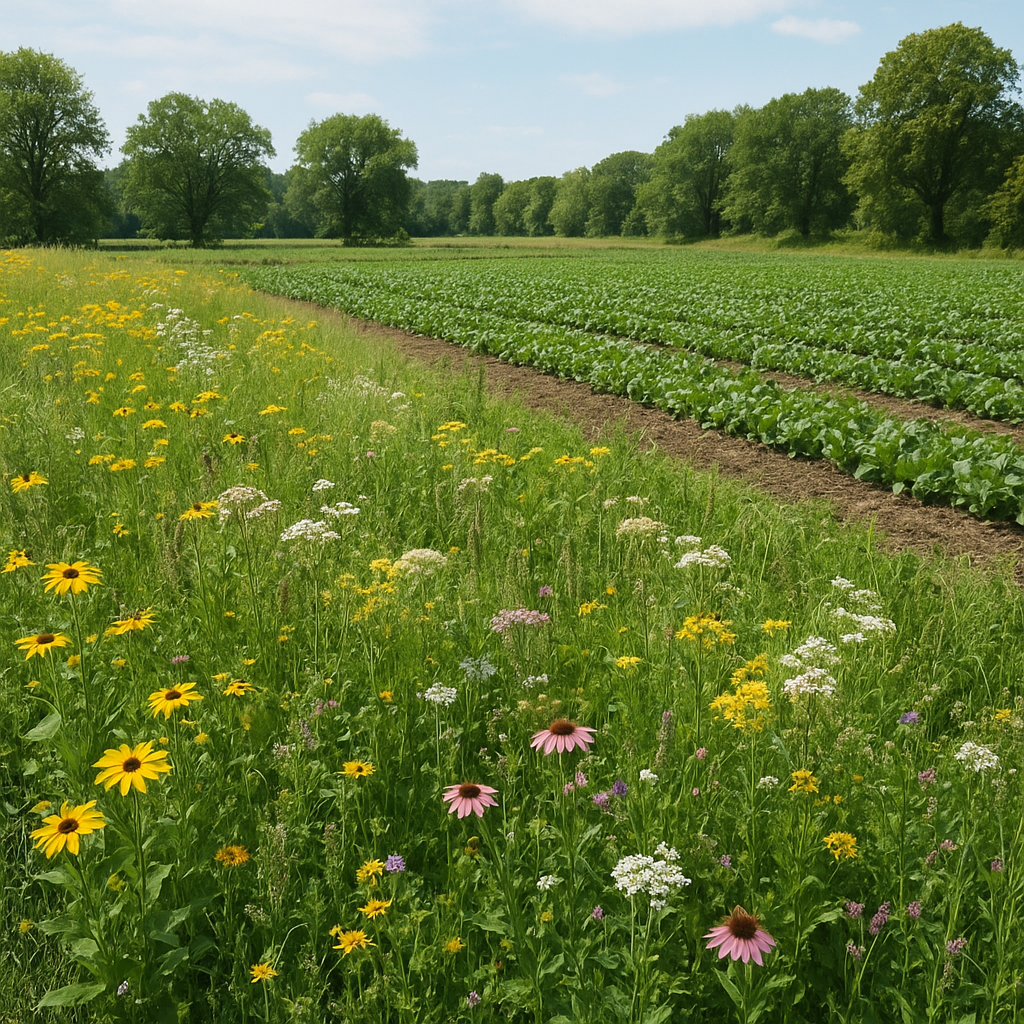
- Wildflower margins along fields
This spatial overview helps pinpoint gaps where new features can deliver the greatest ecological benefits.
Soil Health and Nutrient Profiles
Healthy soil is the foundation of a rich food web. Conduct soil tests that measure:
- Organic matter content
- Macro- and micronutrient levels
- pH and salinity
- Soil structure and compaction zones
Improving organic matter through composting or adding cover crops supports a myriad of soil organisms, from earthworms to beneficial microbes.
Defining Clear Objectives
- Increase pollinator habitat by planting flowering strips
- Establish corridors for wildlife movement
- Enhance soil carbon sequestration
- Reduce dependence on chemical inputs
By setting quantifiable targets—such as a 20% rise in native pollinator visits or establishing 5 acres of mixed-species agroforestry—you can gauge success over time.
Implementing Biodiversity-Friendly Practices
Once goals are clear, roll out complementary tactics that enrich the farm’s ecological tapestry.
Diversified Crop Rotations
Rotate grains, legumes, and cover crops to:
- Break pest and disease cycles
- Fix atmospheric nitrogen
- Enhance soil structure
- Provide seasonal habitat diversity
Including deep-rooted species like radishes or vetch improves soil porosity and channels water to deeper layers.
Field Margins and Hedgerows
Edge habitats offer refuge to beneficial predators and pollinators. To maximize their impact:
- Plant native shrubs and grasses in alternating layers
- Include species that bloom at different times
- Maintain structural diversity with trees, shrubs, and wildflowers
Hedgerows act as windbreaks, prevent erosion, and filter runoff, all while providing food and shelter for birds and small mammals.
Creating Wetlands and Riparian Buffers
Even small wetlands can serve as biodiversity hotspots. Consider excavating depressions or enhancing existing water features to:
- Purify agricultural runoff
- Support amphibians and aquatic invertebrates
- Stabilize stream banks
Riparian buffers planted with willows, dogwoods, and sedges help maintain water quality and expand habitat connectivity.
Integrating Livestock and Pasture Management
Adaptive grazing systems bolster ecosystem health by mimicking natural herd movements. Key practices include:
- Rotational grazing to prevent overuse
- Mixed-species grazing (cattle, sheep, poultry)
- Periodic rest periods for pasture regeneration
This approach fosters a mosaic of vegetation heights, supports pollinators, and increases forage species richness.
Conservation Biological Control
Encourage natural enemies of crop pests rather than relying solely on chemicals. Strategies for pollinators and predators include:
- Installing insect hotels and nesting blocks
- Leaving deadwood and fallen logs in non-crop areas
- Planting nectar strips with goldenrod, clover, and phacelia
These efforts help maintain balanced pest populations and reduce spray costs.
Monitoring Progress and Adapting Management
To ensure long-term success, implement a monitoring system that tracks biodiversity gains alongside farm performance.
Setting Up Bio-Indicators
Focus on easily observed species groups:
- Bird point counts at dawn
- Butterfly transects during peak flight seasons
- Soil invertebrate sampling under different crops
- Vegetation surveys for native vs. invasive species
Regular observations reveal which interventions are most effective and highlight emerging issues.
Using Technology and Citizen Science
Leverage digital tools to collect and analyze data:
- Drone imagery for habitat mapping
- Mobile apps for real-time species identification
- Collaborative platforms that engage neighbors and volunteers
Involving the local community raises awareness and fosters stewardship beyond your property boundaries.
Adaptive Management Cycles
Review outcomes on an annual or biennial basis:
- Compare species counts to baseline data
- Assess changes in soil organic matter and nutrient levels
- Evaluate crop yields against biodiversity metrics
Use these insights to tweak grazing durations, modify hedgerow species composition, or adjust cover crop mixes. A flexible mindset ensures strategies evolve with shifting climatic and ecological conditions.
Securing Funding and Partnerships
Many governments and NGOs offer grants and technical support for conservation initiatives. Consider:
- Applying for habitat restoration subsidies
- Partnering with universities on research projects
- Joining producer networks focused on sustainable agriculture
These alliances can offset upfront costs and provide access to expert advice on best practices.
How farmers integrate a suite of ecological enhancements determines the pace at which biodiversity rebounds. By assessing current conditions, deploying targeted measures, and continuously adapting management plans, growers play a pivotal role in crafting robust, productive landscapes that sustain both people and wildlife.