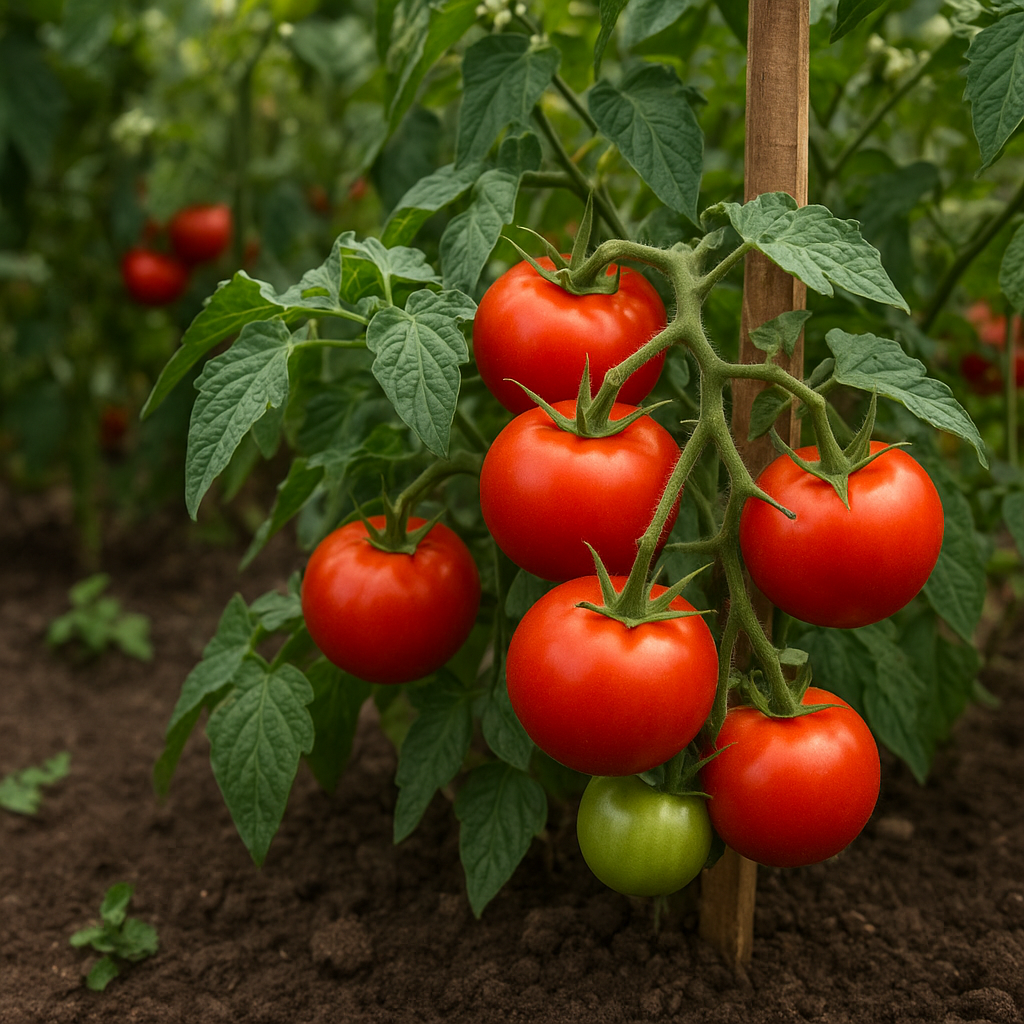
Growing organic tomatoes successfully combines careful planning, dedicated maintenance, and an understanding of natural gardening principles. By focusing on enriching the soil, monitoring pests and disease threats, and promoting healthy plant development, backyard growers and small-scale farmers alike can enjoy a bountiful harvest of flavorful, nutrient-rich fruit.
Selecting the Right Varieties and Planning Your Garden
Choosing the most suitable tomato varieties is the first step toward success. Heirloom types often boast superior taste, while hybrid cultivars can offer enhanced disease resistance or compact growth. Consider the following factors when making your selection:
- Climate adaptation: Opt for varieties tailored to your regional temperature and humidity.
- Growth habit: Determinate plants finish fruiting in a shorter period, whereas indeterminate vines yield over many weeks.
- Desired use: Select slicing, cherry, or paste tomatoes based on culinary preferences.
- Disease resistance: Look for cultivars labeled with resistance codes like V (verticillium), F (fusarium), or N (nematode).
Map out rows or raised beds to ensure 45–60 cm spacing between plants, allowing for adequate sunlight penetration and airflow. A north–south row orientation helps maximize daily sun exposure.
Soil Preparation and Nutrient Management
Healthy soil is the cornerstone of any thriving organic system. Begin with a comprehensive soil test to determine pH and nutrient levels. Tomatoes prefer a pH between 6.0 and 6.8. To amend your bed:
- Compost: Incorporate 5–8 cm of well-aged compost into the topsoil for long-lasting fertility.
- Manure: Use thoroughly composted livestock manure to supply nitrogen and improve structure.
- Mineral supplements: Add rock phosphate for phosphorus and greensand for potassium if tests reveal deficiencies.
Key considerations include ensuring a loose, friable texture that drains well yet retains moisture. Avoid synthetic fertilizers; instead, rely on natural amendments that foster robust microbial activity.
Planting Techniques and Spacing
Proper planting encourages strong root systems and vigorous growth. When transplanting seedlings:
- Harden off plants by exposing them gradually to outdoor conditions.
- Dig holes deeper than the nursery container—buried stems will generate additional roots.
- Space determinate types 45 cm apart; indeterminate vines require up to 75 cm.
- Plant at a slight angle to maximize root zone contact with moist soil.
Incorporate a handful of bone meal or wood ash into each hole to give young plants an early boost of phosphorus and potassium. Mulch immediately to conserve water and suppress weeds.
Watering Strategies and Mulching
Consistent watering is critical for preventing blossom end rot and maintaining fruit quality. Aim for:
- Deep, infrequent watering: Supply 2–3 cm of water weekly, adjusting for rainfall.
- Morning irrigation: Reduce evaporation and discourage fungal growth.
- Drip lines or soaker hoses: Deliver moisture directly to root zones.
Apply a 5–7 cm layer of organic mulching materials—straw, grass clippings, or shredded leaves—to regulate soil temperature and further conserve moisture. Replace or top up mulch throughout the season as it decomposes.
Managing Pests and Diseases Naturally
Preventative measures and ecological balance are key to keeping pests and disease at bay. Implement these strategies:
- Crop rotation: Avoid planting tomatoes or related nightshades in the same bed for at least three years.
- Companion planting: Grow marigolds, basil, or nasturtiums nearby to deter aphids and whiteflies.
- Physical barriers: Use floating row covers to protect young plants from insect invasions.
- Beneficial insects: Introduce ladybugs, lacewings, and predatory nematodes to reduce harmful populations.
If disease symptoms appear, such as leaf spots or wilting, remove affected foliage promptly and apply organic sprays like copper fungicide or biofungicidal formulations. Ensure good air circulation by pruning excess foliage.
Supporting Growth and Pruning
Tomato vines, especially indeterminate types, benefit from support and selective pruning. Use stakes, cages, or trellises to:
- Prevent fruit contact with soil, reducing rot.
- Improve airflow and light penetration within the canopy.
- Make harvesting easier and minimize plant damage.
Prune suckers (the shoots emerging between the main stem and side branches) to concentrate plant energy on fruit production. Remove lower leaves that touch the ground to discourage soil-borne pathogens.
Harvesting and Post-Harvest Handling
Timely harvest preserves the best flavor and nutritional content. Monitor fruit daily as they begin to blush and pick when they reach full color yet are still firm. To extend shelf life:
- Handle gently to avoid bruising.
- Store tomatoes at room temperature away from direct sunlight.
- Use slightly underripe fruit for longer storage—allow them to ripen indoors.
Overripe or blemished tomatoes can be pulped for sauces, salsas, and preserves, ensuring no produce goes to waste. With diligent care and attention to organic principles, your tomato plants will reward you with a consistent, high-quality yield throughout the growing season.