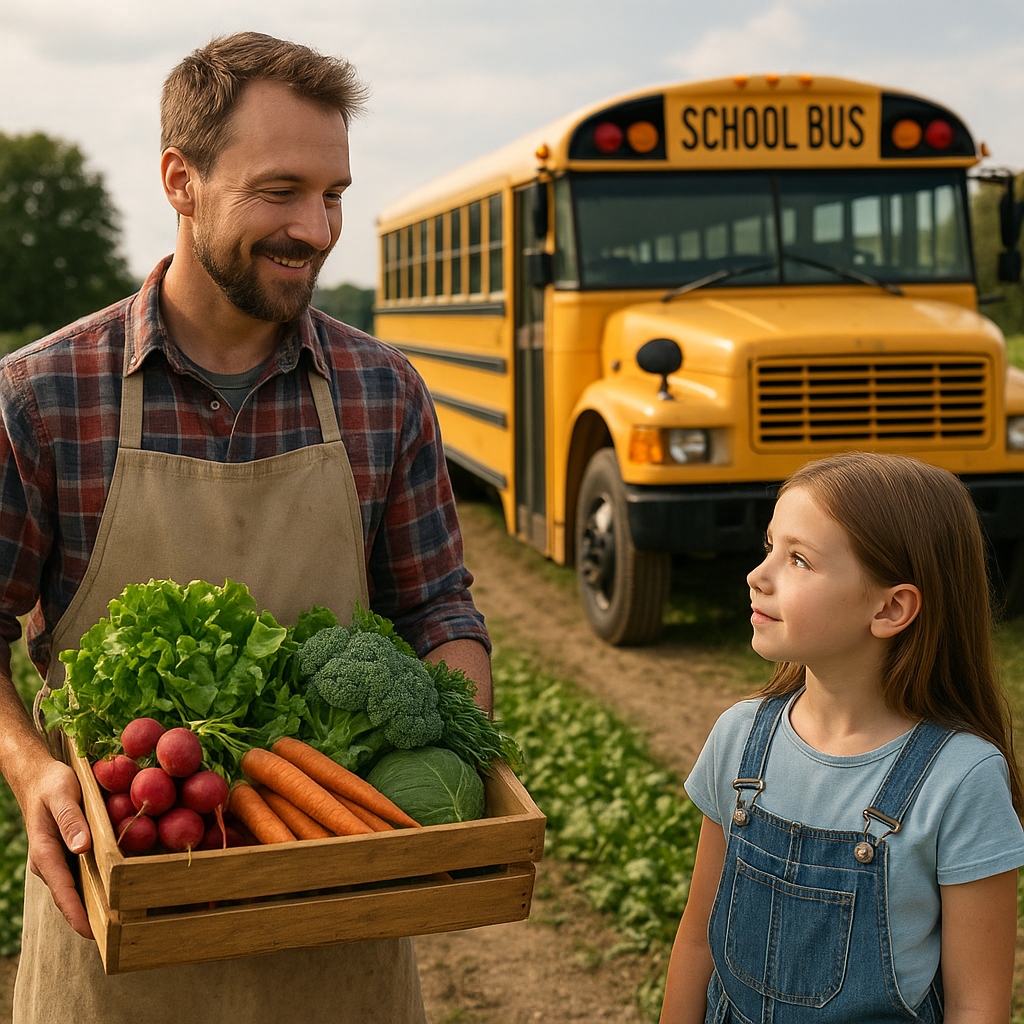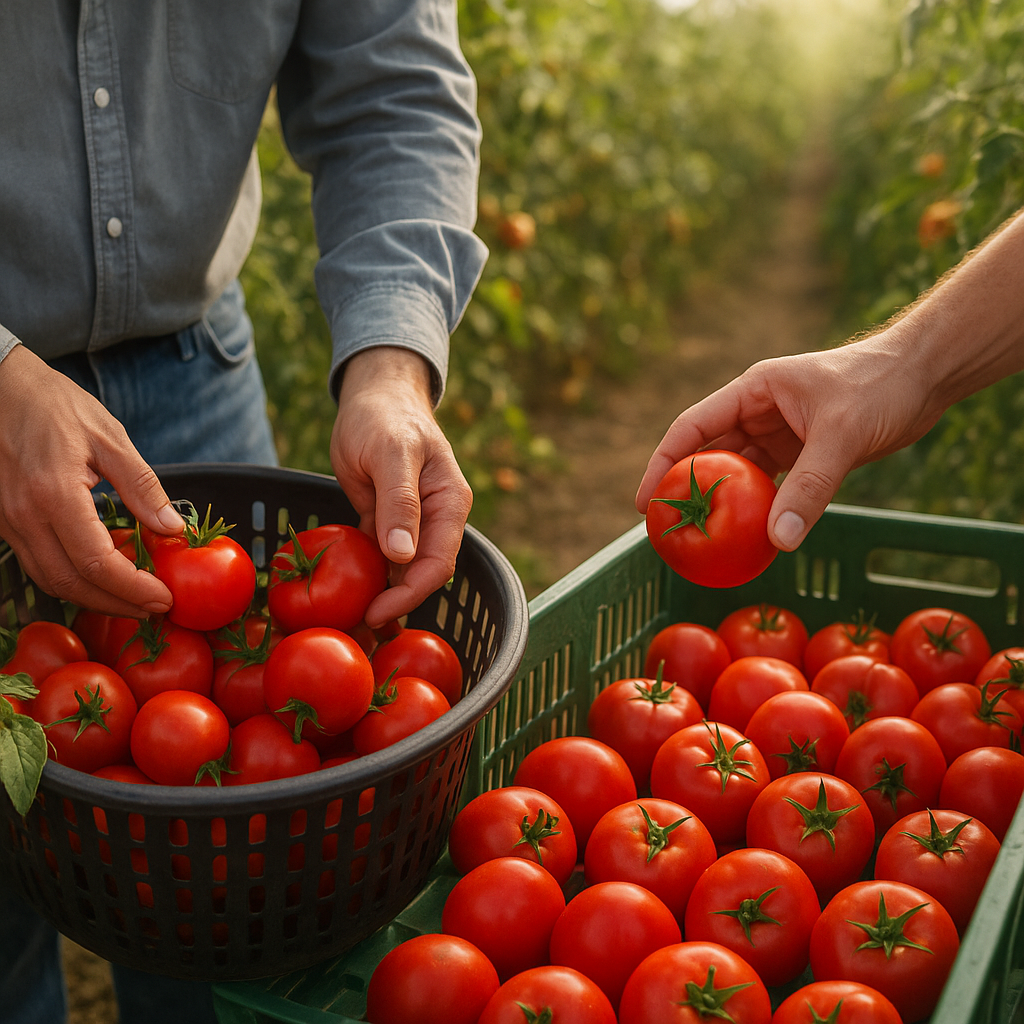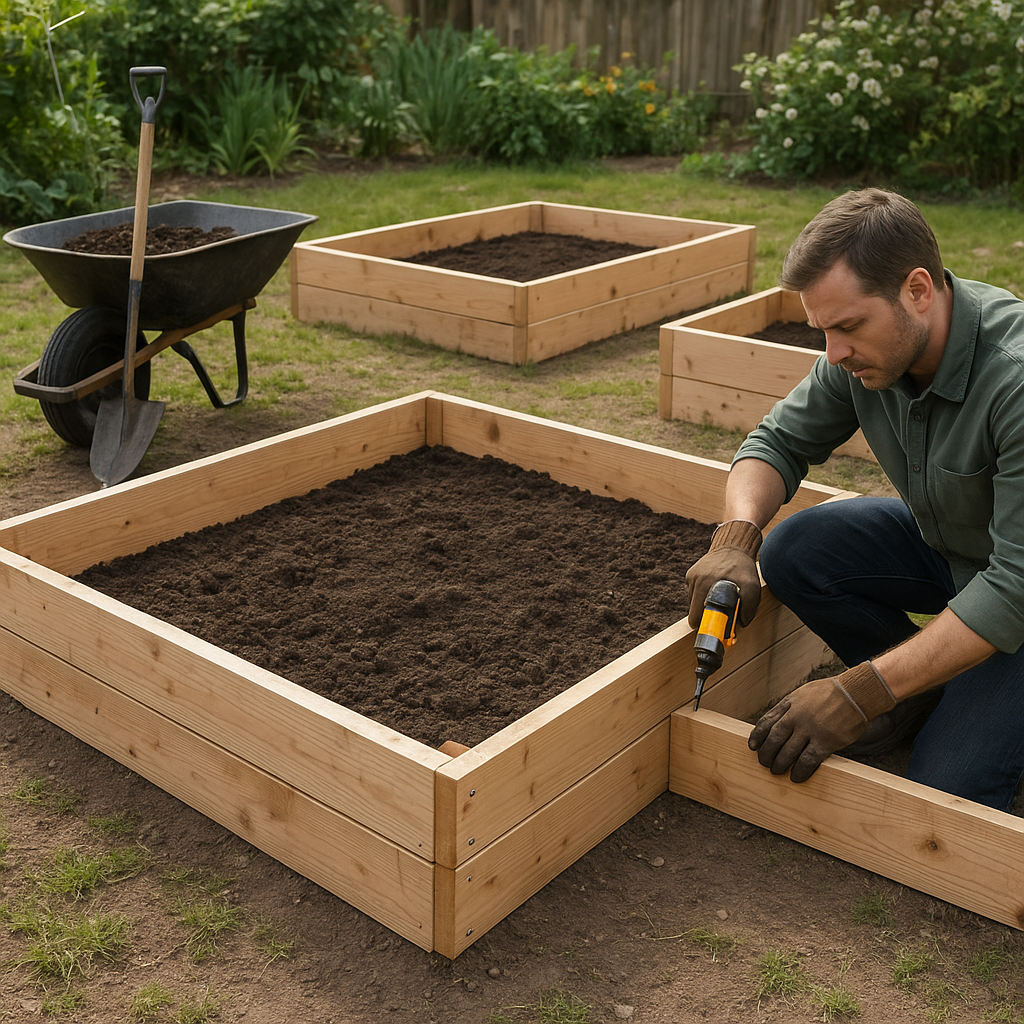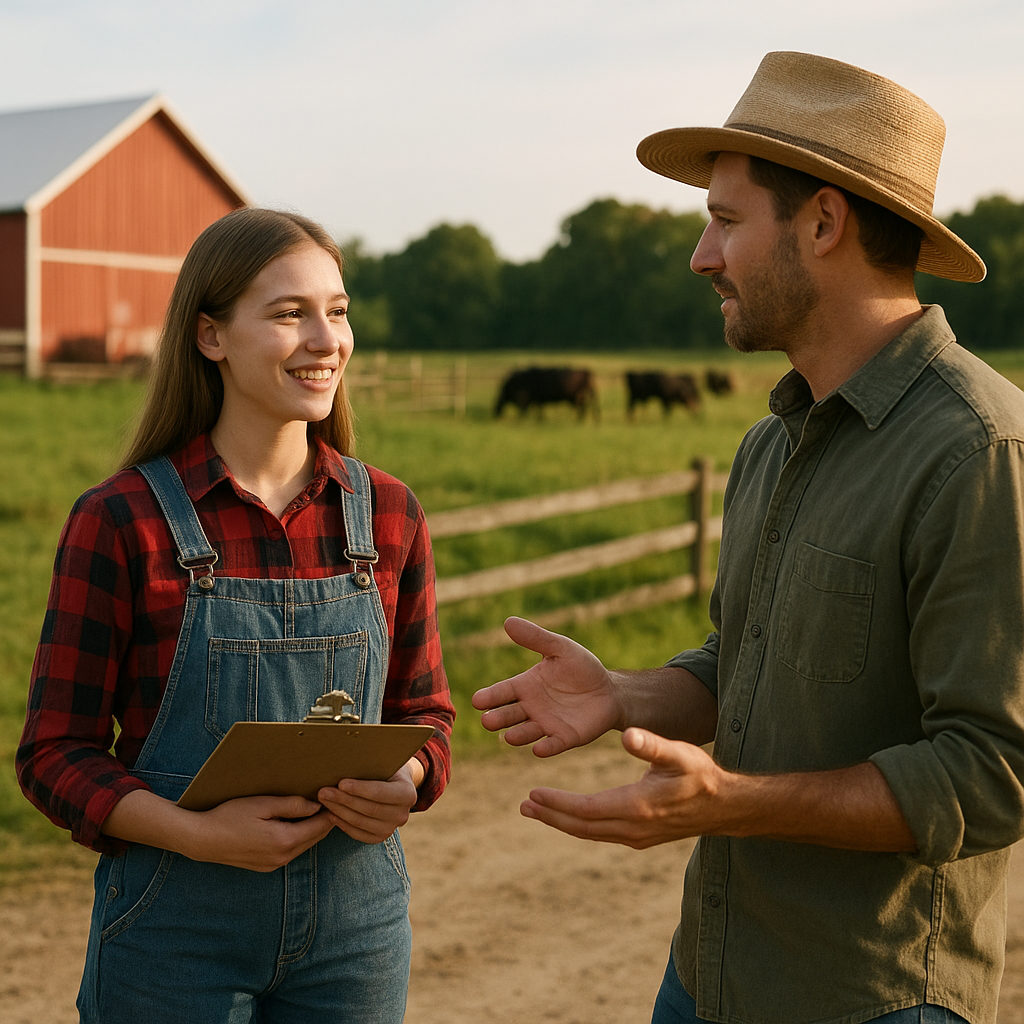
Creating a successful farm internship program requires thoughtful planning, clear objectives, and a passion for teaching the next generation of agricultural professionals. By combining practical training with structured mentorship, farms can cultivate young talent while benefiting from additional labor and fresh perspectives. This guide outlines key steps and considerations for building a thriving program that enhances both farm productivity and participant growth.
Benefits of Offering a Farm Internship
Establishing an internship program on your farm can deliver numerous advantages to both hosts and participants. Interns gain hands-on learning opportunities, while farms receive extra support during peak seasons. Some core benefits include:
- Skill development: Interns acquire practical knowledge in planting, harvesting, and equipment operation.
- Enhanced community engagement: Bringing in young people fosters local connection and outreach.
- Long-term talent pipeline: Interns who excel may become future employees or farm advocates.
- Innovation boost: Fresh viewpoints can introduce new techniques in sustainable farming.
- Public relations: A well-run program can elevate your farm’s reputation through positive word-of-mouth.
Designing a Structured Curriculum
A clear, well-defined curriculum ensures interns receive consistent, valuable instruction. Begin by outlining core learning goals and dividing them into thematic modules. For example:
- Module 1: Soil health and sustainability practices
- Module 2: Planting methods and seasonal crop management
- Module 3: Livestock care and welfare (if applicable)
- Module 4: Farm machinery operation and routine maintenance
- Module 5: Marketing, direct sales, and community-supported agriculture
Each module should combine lectures, demonstrations, and hands-on experience. Allocate time for weekly check-ins to reinforce learning outcomes and adjust the pace based on intern progress. Incorporate a mix of individual tasks and group projects to encourage collaboration and problem-solving.
Recruitment Strategies and Forming Partnerships
Attracting motivated candidates demands targeted outreach and clear communication of program expectations. Consider these approaches:
- Collaborate with local universities, vocational schools, and 4-H programs.
- Post detailed internship descriptions on agricultural job boards and social media channels.
- Network with extension offices and community organizations to spread the word.
- Highlight unique farm features—such as organic certification, specialty crops, or educational workshops—to stand out.
Building partnerships with educational institutions offers mutual benefits. Schools gain practical sites for student learning, while farms receive a steady stream of applicants. Draft a memorandum of understanding (MOU) to clarify roles, responsibilities, and logistical details like housing, transportation, and insurance coverage.
Implementing Effective Mentorship
Strong mentorship is vital for intern success. Assign each intern a dedicated mentor who can provide regular feedback and guidance. Mentors should:
- Set clear expectations and achievable milestones.
- Conduct daily or weekly debriefs to discuss challenges and progress.
- Offer career advice and insights into diverse agricultural pathways.
- Facilitate connections with other professionals in the field.
- Model safety-conscious behavior and best practices.
By fostering an open, supportive environment, mentors encourage interns to ask questions and take initiative. This level of engagement promotes confidence, enhances problem-solving abilities, and strengthens the overall learning experience.
On-Farm Training and Safety Protocols
Ensuring intern well-being is paramount. Develop comprehensive safety guidelines that cover:
- Proper use of personal protective equipment (PPE)
- Safe operation of tractors, harvesters, and other machinery
- Hazard recognition for chemicals, uneven terrain, and livestock behavior
- First-aid procedures and emergency contact protocols
- Food handling and sanitation when processing produce
Begin the program with an orientation session that reviews all professional standards and emergency processes. Conduct periodic drills and refresher courses to maintain high safety awareness. Encourage interns to report near-misses and hazards without fear of reprimand, cultivating a culture of continuous improvement.
Creating a Supportive Living and Working Environment
Farm life often involves early mornings and long days. To keep morale high, consider providing:
- Comfortable, clean housing near the fields or barns
- Nutritious meals made from farm-fresh ingredients
- Flexible scheduling when weather or unexpected tasks arise
- Opportunities for social activities and local exploration
- Access to reliable internet for academic or personal use
Regularly solicit feedback through surveys or informal chats. Adjust living arrangements, work hours, or educational content based on intern suggestions. Demonstrating responsiveness reinforces a sense of value and belonging among participants.
Evaluating Program Outcomes and Growth
Assessing the effectiveness of your farm internship program helps identify strengths and areas for improvement. Track metrics such as:
- Completion rates and participant retention
- Skill acquisition and task proficiency over time
- Feedback from interns, mentors, and farm managers
- Impact on operational efficiency during busy seasons
- Post-internship placements in agriculture or related fields
Host a wrap-up meeting at the end of each session to discuss successes and challenges. Encourage interns to prepare a brief presentation or report on their contributions and learning highlights. Use these insights to refine the curriculum, adjust mentorship strategies, and enhance recruitment messaging for future cohorts.
Scaling the Internship for Long-Term Success
Once a baseline program is established, consider expanding its scope. Options include:
- Introducing specialized tracks (e.g., horticulture, animal husbandry, agroforestry)
- Partnering with culinary schools for farm-to-table collaborations
- Offering remote learning modules or virtual farm tours
- Securing grants or sponsorships to subsidize program costs
- Creating alumni networks to maintain ongoing professional connections
An adaptable internship framework allows your farm to respond to evolving agricultural trends while continuing to nurture the next generation of farmers. By emphasizing quality education, robust mentorship, and community engagement, your program can become a model for sustainable, hands-on agricultural training.