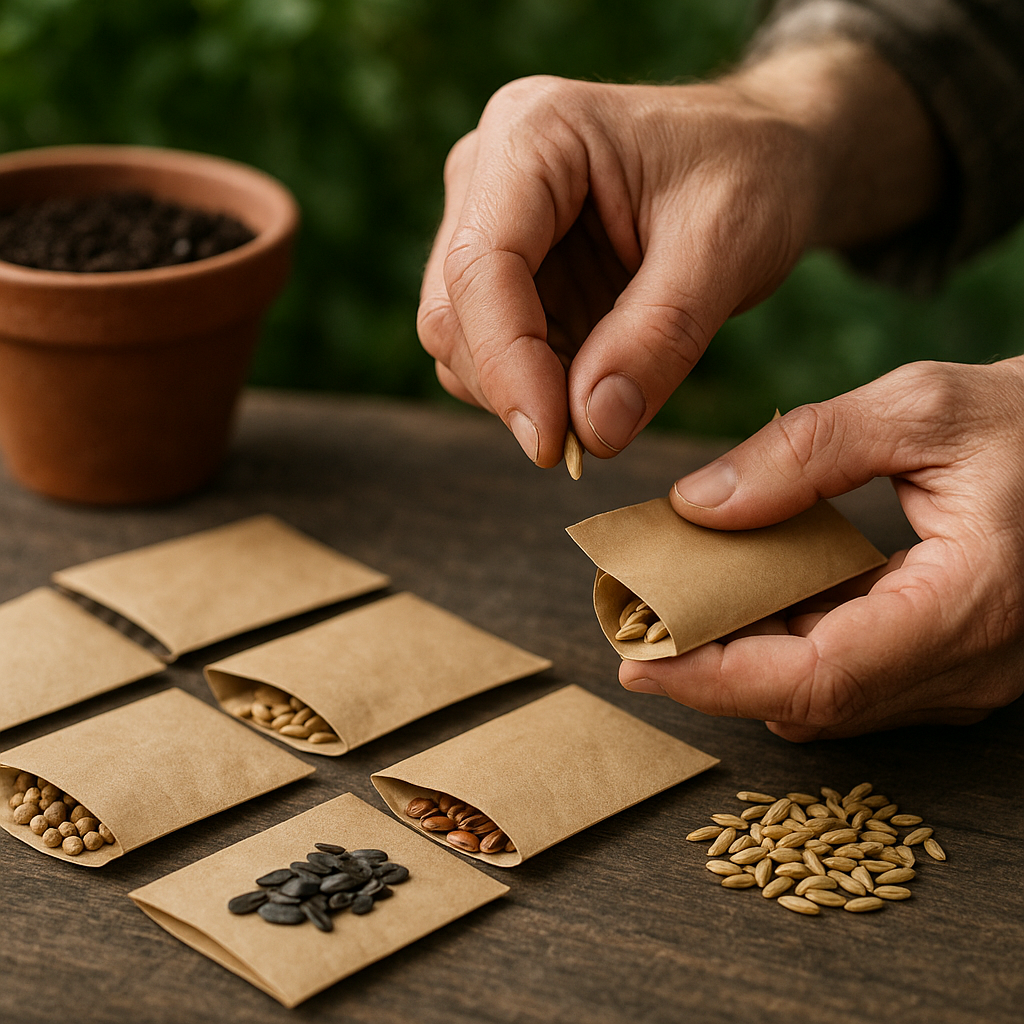
How to Choose the Right Seeds for Your Climate explains the importance of matching seed characteristics with regional weather patterns, soil types, and seasonal dynamics. Selecting seeds adapted to local conditions boosts germination rates, enhances plant health, and maximizes yield. This article explores how to assess your environment, identify critical seed traits, and adopt best practices for sourcing, storing, and planting.
Understanding Your Local Climate and Soil Conditions
Before picking any seed packets, it’s essential to conduct a thorough assessment of your growing environment. Start by researching your USDA hardiness zone or equivalent regional classification. Consider factors like:
- Average low and high temperatures throughout the year
- First and last frost dates
- Annual precipitation and humidity levels
- Daylength and seasonal sunlight intensity
- Prevailing winds, altitude, and slope aspects
Microclimates within your property can significantly influence plant performance. South-facing slopes might warm earlier in spring, while shaded areas under trees retain moisture and remain cooler. Understanding these nuances helps you zone your garden beds: tender crops in protected spots, heat-loving varieties in sunlit areas.
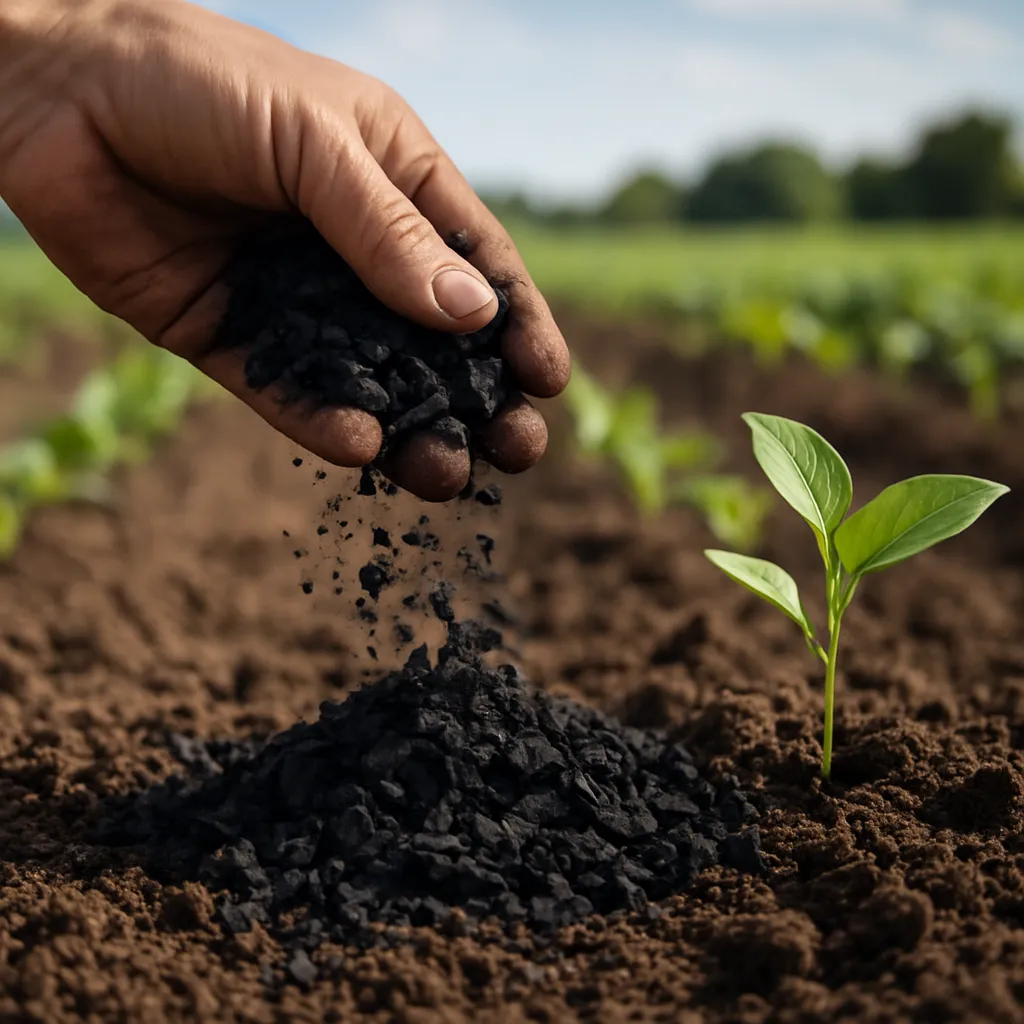
Soil analysis is equally vital. Send a sample to a local extension service or use an at-home kit to determine pH, nutrient levels, and texture. Soils high in clay retain water and may demand varieties with strong root systems, while sandy soils drain quickly and benefit from drought-tolerant cultivars. Amend soil based on test results: incorporate organic compost to boost soil fertility and structure, and adjust pH with lime or sulfur as needed.
Choosing Seed Varieties Based on Key Traits
Once you understand your environmental parameters, match seeds to the conditions you face. Key traits to evaluate include:
- Germination rate and speed – faster germination can help seedlings outcompete weeds, while slower rates may suit long-season climates.
- Drought tolerance – look for deep-rooting or waxy-leaf varieties in arid zones.
- Pest resistance and disease resistance – regional seed guides often list common threats, so choose cultivars with built-in defenses.
- Yield potential – high-yield hybrids may perform well under optimal care, while heritage types sacrifice output for flavor or resilience.
- Cold hardiness or heat tolerance – critical for extreme climates, ensuring plants survive unexpected frosts or heatwaves.
- Growth habit and maturation time – determinate vs indeterminate, short-season vs full-season varieties.
Deciding between hybrid and heirloom seeds depends on your goals. Hybrids often deliver uniform crops, vigorous growth, and disease resistance, but saved seeds won’t breed true. Heirlooms preserve genetic diversity and unique flavors, ideal for seed saving and maintaining heritage varieties. For organic gardeners, choose seeds certified organic to guarantee no synthetic treatments or coatings.
Regional seed companies and agricultural extension services frequently publish lists of recommended varieties. Compare multiple sources and read grower reviews to gauge real-world performance in climates similar to yours. In high-altitude or mountainous zones, seek seeds bred for cooler temperatures and shorter seasons.
Best Practices for Sourcing, Storing, and Planting Seeds
Reliable sourcing is the foundation of successful cultivation. Consider these options:
- Local seed suppliers and nurseries – their offerings are often tailored to regional conditions.
- Seed exchanges or libraries – community networks share adapted varieties and valuable knowledge.
- Reputable online catalogs – verify grower testimonials and guarantee germination rates.
Storing seeds properly maintains viability. Keep them in cool, dark, and dry conditions. Use airtight containers or sealed envelopes with a desiccant packet. Label every batch with variety name and harvest or purchase date. Under ideal storage (around 40°F and low humidity), many vegetables remain viable for 3–5 years.
Preparation before sowing enhances success:
- Scarification – nicking hard seed coats (e.g., beans, peas) speeds water uptake.
- Stratification – chilling seeds of certain perennials or trees to break dormancy.
- Soaking small seeds in water or a mild nutrient solution to jumpstart germination.
Planting guidelines:
- Follow depth and spacing instructions on seed packets; too deep or too shallow sowing can hinder emergence.
- Ensure proper soil temperature: use soil thermometers to confirm minimum planting temps for warm-season crops.
- Mulch after sowing to conserve moisture and moderate soil temperature.
- Keep seedbeds consistently moist but not waterlogged; use gentle misting or drip irrigation.
Monitor seedlings for signs of stress, pests, or disease. Intervene early with organic controls like row covers or biologicals to preserve plant vigor. Rotate crops each season to reduce pathogen buildup in the soil and maintain overall field health. By aligning your seed choices and handling practices with the specifics of your climate and soil, you set the stage for a thriving, productive garden or farm operation.