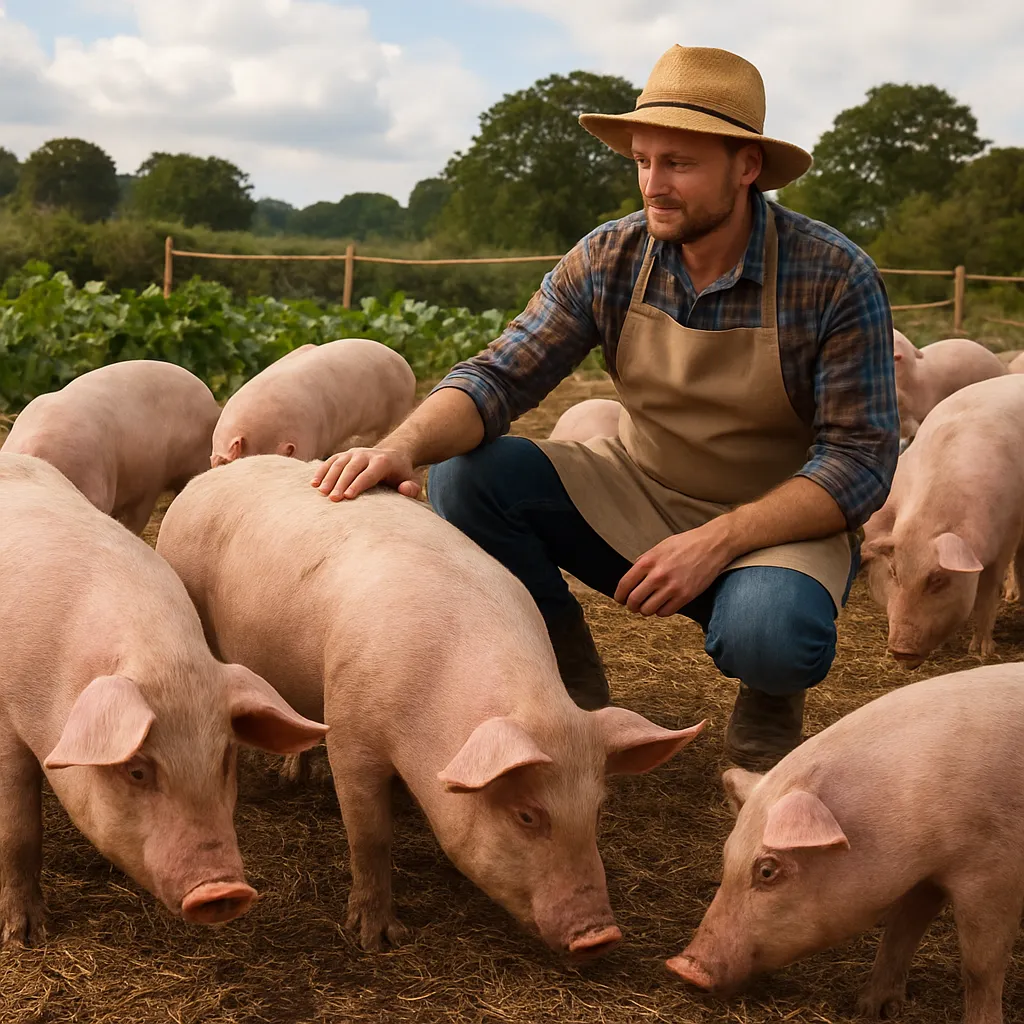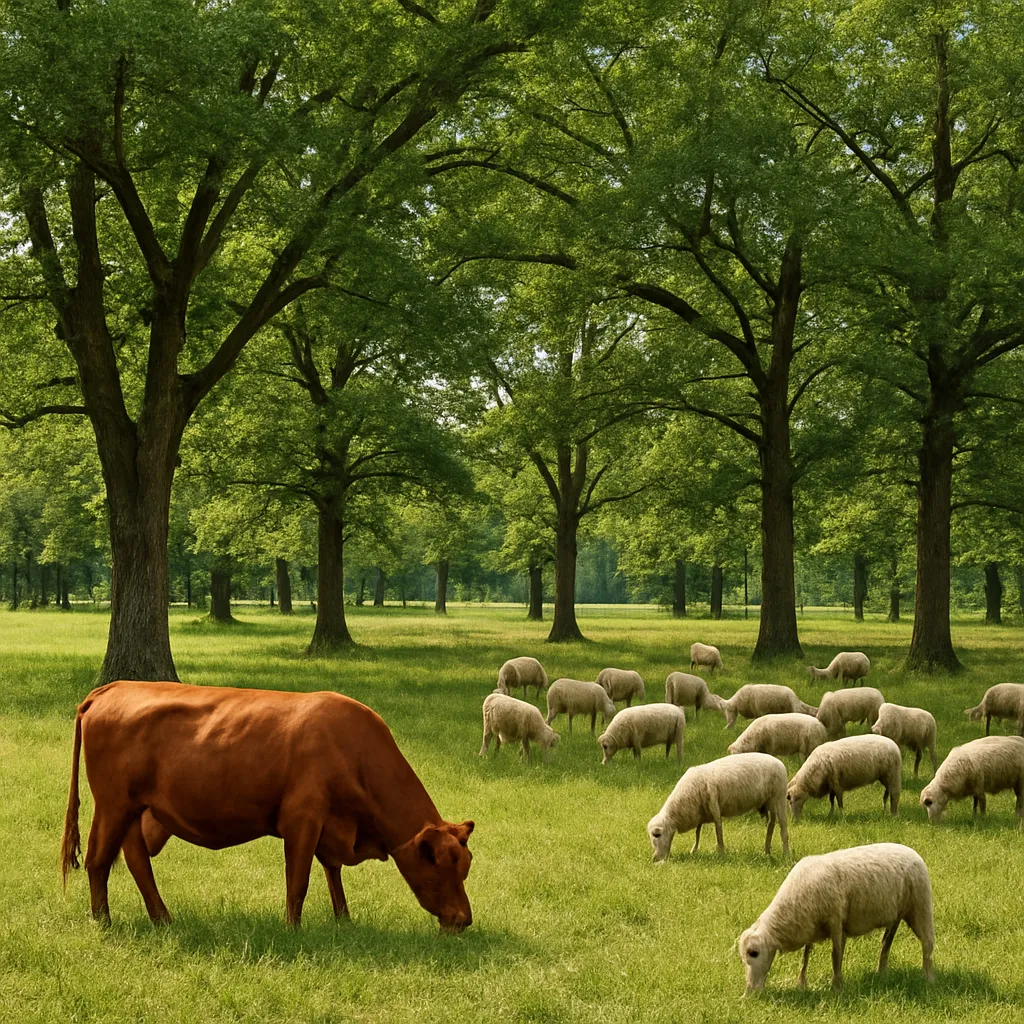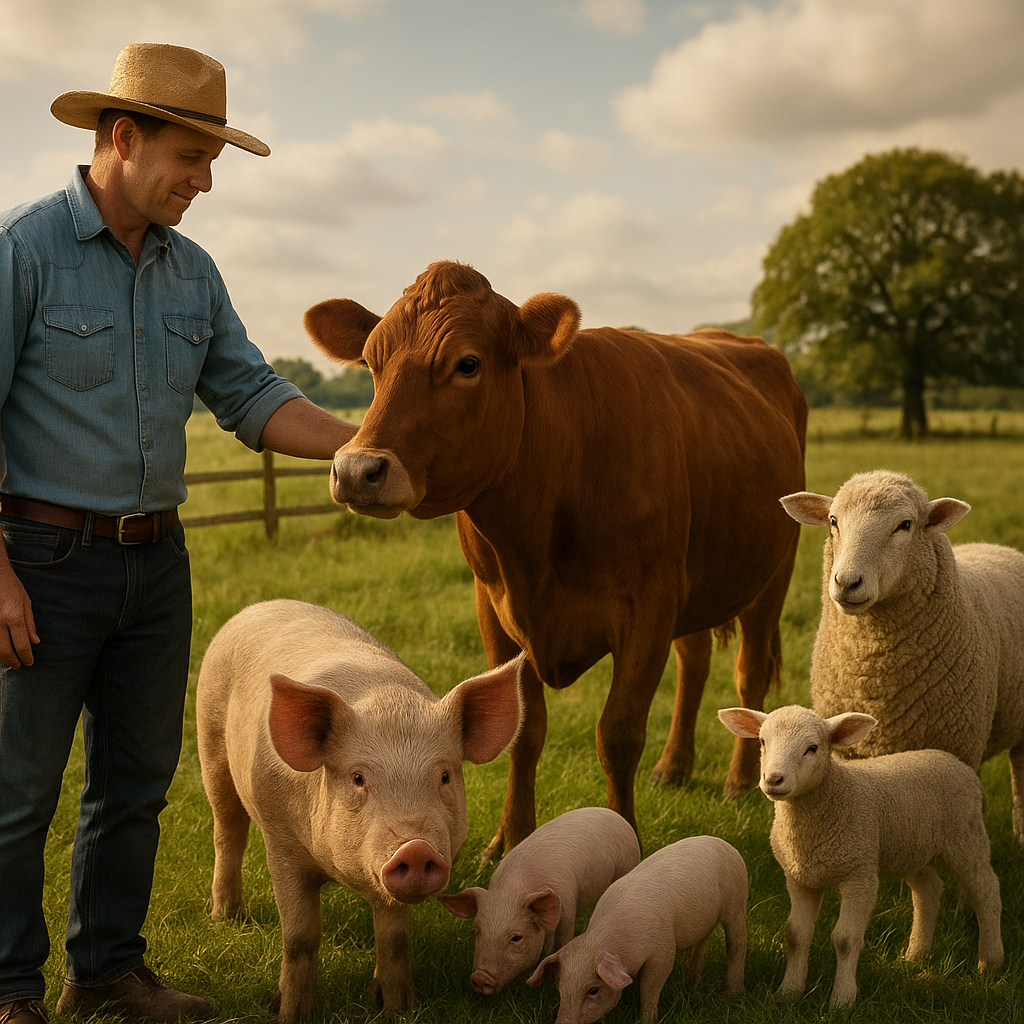
The pursuit of excellence in farm animal welfare hinges on a combination of sound ethical principles, evidence-based management strategies, and a commitment to continuous improvement. By integrating cutting-edge research with practical on-farm solutions, producers can foster healthier, more productive livestock while addressing societal expectations for humane treatment.
Ethical Foundations and Regulatory Frameworks
Understanding ethics and Animal Sentience
Recognizing that farmed animals are capable of experiencing pain, pleasure, and stress is the cornerstone of any welfare program. Ethical stewardship demands that producers view livestock as sentient beings rather than mere commodities. This shift in perspective influences decisions on housing, handling, and end-of-life procedures, ensuring that every choice minimizes unnecessary suffering.
International Standards and Legislation
A myriad of guidelines and laws governs the treatment of farm animals around the globe. Key frameworks include:
- World Organisation for Animal Health (OIE) Terrestrial Animal Health Code
- European Union Council Directives on livestock welfare
- National animal welfare acts and farm assurance schemes
Adherence to these standards not only safeguards animal well-being but also enhances market access and consumer trust. Producers should routinely audit their operations against both mandatory regulations and voluntary certification criteria.
Housing and Environmental Enrichment
Designing Suitable Housing Systems
Well-designed facilities are vital for promoting natural behavior and reducing injuries. Key considerations include:
- Space allowances that permit freedom of movement
- Proper ventilation to maintain air quality
- Lighting schemes that mimic natural day–night cycles
- Non-slip flooring to prevent lameness
Different species and production stages require tailored approaches. For instance, farrowing crates for sows must balance piglet protection with sow comfort, while free-range systems for poultry emphasize outdoor access and shelter.
Implementing Environmental Enrichment
Enrichment strategies enhance psychological well-being and reduce stress-related behaviors. Effective measures include:
- Provision of manipulable materials (e.g., straw, ropes, toys)
- Complex pen layouts with hiding spots and elevated platforms
- Social grouping designs that allow stable flock or herd bonds
- Rotational pasture systems encouraging foraging and exercise
By stimulating natural instincts, environmental enrichment mitigates aggression, stereotypies, and other maladaptive behaviors.
Health Management and Biosecurity Measures
Preventive Health Protocols
A robust health management plan emphasizes prevention over treatment. Core elements include:
- Vaccination schedules tailored to regional disease risks
- Regular veterinary inspections and monitoring of performance data
- Quarantine procedures for new or sick animals
- Record-keeping to track health trends and treatments
Effective prevention reduces the reliance on antibiotics, supports sustainable production, and aligns with consumer concerns about drug residues.
Sanitation and Disease Control
Maintaining a high level of cleanliness throughout the farm environment is essential. Strategies include:
- Routine cleaning and disinfection of housing and equipment
- Controlled access points with footbaths or airlocks
- Rodent and pest management programs
- Water quality monitoring to prevent pathogen transmission
Strengthening biosecurity protocols prevents outbreaks of contagious diseases, safeguarding both animal and human health.
Nutrition and Feeding Strategies
Balanced Diet Formulation
Optimal growth, reproduction, and immunity hinge on diets that meet species-specific nutrient requirements. Key aspects include:
- Formulating rations based on energy, protein, vitamins, and minerals
- Incorporating quality forage and fiber sources for rumen health
- Adjusting feed composition during critical physiological stages
- Using feed additives (probiotics, enzymes) to enhance digestion
Good nutrition reduces metabolic disorders, supports robust immune responses, and contributes to consistent production levels.
Feeding Practices and Innovations
Advances in feeding technology and management practices can improve both efficiency and welfare. Innovations include:
- Automated feeders that minimize competition at feeding stations
- Precision feeding systems delivering individualized rations
- Alternative protein sources (insects, algae) for lower environmental impact
- Continuous access to water and feed dispensers
These techniques help maintain stable gut function and reduce stress associated with feed scarcity.
Handling, Transport, and Slaughter Considerations
Low-Stress Handling Techniques
Gentle handling reduces fear and injury. Recommended practices:
- Training staff in animal behavior and flight-zone concepts
- Using curved chutes and solid sides to guide movement
- Minimizing use of electric prods and other aversive tools
- Providing rest areas and water during longer procedures
Well-trained handlers contribute significantly to overall welfare outcomes.
Transport Best Practices
Safe, humane transport is critical for maintaining animal health and quality. Essential elements include:
- Vehicle designs that ensure adequate ventilation and temperature control
- Stocking densities that permit natural stance and movement
- Planning routes to minimize journey times and delays
- Regular rest stops for long-distance hauls
By focusing on comfort and stability, producers can prevent stress-related weight loss, injuries, and mortality.
Humane Slaughter Methods
Ending an animal’s life with minimal distress is a final act of respect. Key considerations:
- Effective stunning techniques (mechanical, electrical, or gas-based)
- Proper training and certification of slaughter personnel
- Equipment maintenance to ensure rapid, consistent performance
- Monitoring animal responses to confirm insensibility before processing
Adhering to recognized protocols ensures that slaughter aligns with both ethical imperatives and legal requirements.