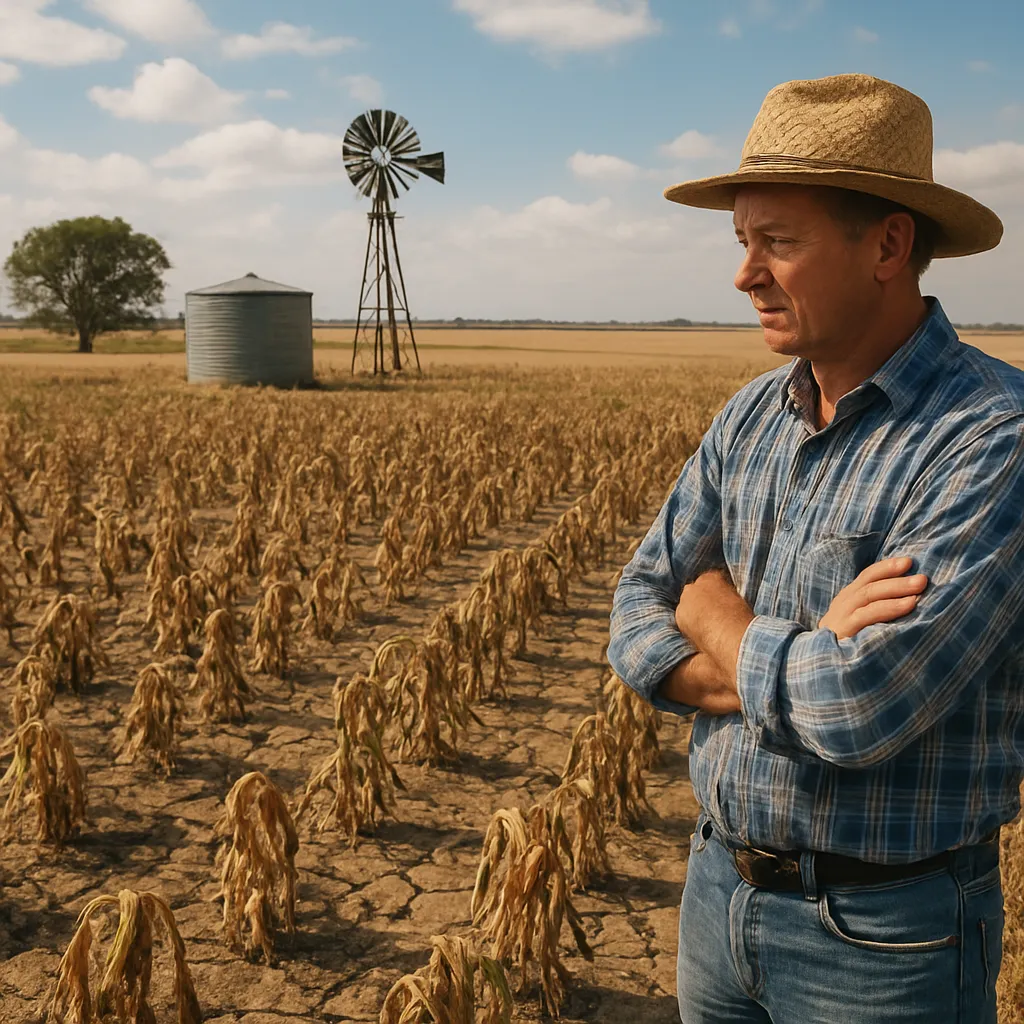
Farming communities worldwide face mounting challenges as extended dry spells threaten crop yields and livestock health. Farmers must adopt proactive strategies to safeguard their operations, ensuring long-term resilience despite unpredictable weather patterns. By combining traditional practices with modern innovations, it is possible to reduce water use, protect soil fertility, and optimize resource allocation.
Understanding the Impacts of drought on Farm Productivity
Prolonged drought events disrupt the agroecosystem by limiting available water for plant growth and triggering soil degradation. Plants under water stress exhibit stunted development, reduced photosynthesis, and increased susceptibility to pests and diseases. Meanwhile, livestock suffer diminished forage quality and quantity, leading to weight loss and lowered reproduction rates. The economic toll can be severe, as lower yields and higher input costs erode farm profitability.
Beyond immediate yield losses, drought accelerates soil erosion and depletes organic matter, threatening long-term soil health. Soil structure deteriorates when moisture levels drop below critical thresholds, causing compaction and diminished infiltration rates. Nutrient cycling slows, reducing the availability of nitrogen, phosphorus, and essential micronutrients. Over time, impoverished fields require more fertilizers, which increases production expenses and can lead to environmental pollution if misapplied.
Recognizing early warning signs—such as wilting leaves, low stream flows, and reduced groundwater levels—is vital for timely intervention. Farmers should monitor rainfall patterns, soil moisture sensors, and regional forecasts to anticipate water shortages. Establishing a farm-level drought management plan provides a roadmap for adjusting operations, prioritizing critical uses, and safeguarding both annual and perennial crops.
Implementing Water-conservation Practices
Effective water management begins with minimizing losses and maximizing delivery to the plant root zone. Employing a combination of behavioral and infrastructural practices can reduce water consumption by up to 50% under severe conditions.
- Drip irrigation Systems: Deliver water directly to the root zone through emitters, significantly reducing evaporation and runoff. Modern drip setups allow precise control over flow rates and scheduling, enabling farmers to match application to crop needs.
- Mulching Techniques: Applying a layer of organic or synthetic mulch around plant bases helps conserve moisture by reducing surface evaporation. Mulch also suppresses weeds, which compete for limited water.
- Deficit Irrigation Strategies: Instead of full watering, growers deliberately apply water below maximum levels at specific growth stages where stress tolerance is highest. This approach optimizes yield per volume of water used.
- Rainwater Harvesting: Capturing roof runoff and channeling it into storage tanks or ponds supplies an auxiliary irrigation source. When designed properly, these systems can accumulate thousands of liters during sporadic storms.
- Irrigation Scheduling: Combining weather data, soil moisture readings, and plant growth models enables precise timing for applications. Well-timed watering reduces unnecessary cycles and helps maintain optimum moisture levels.
Farmers should also evaluate the efficiency of existing canals, pipelines, and pumps. Repairing leaks, lining channels, and upgrading to variable-speed pumps can significantly boost overall system performance. Implementing automatic shutoff valves and flow meters adds further control, preventing waste during unsupervised periods.
Enhancing soil Health and moisture Retention
Maintaining healthy soil is the foundation of any drought management strategy. A well-structured, organic-rich soil holds more water, fosters beneficial microbial activity, and supports strong root systems.
- Cover Cropping: Planting cover crops in off-seasons protects bare soil from erosion and improves its water-holding capacity. Leguminous covers fix atmospheric nitrogen, reducing fertilizer dependencies.
- Organic Matter Amendments: Incorporating compost, manure, or green waste boosts soil porosity and increases water retention. Organic matter acts like a sponge, slowly releasing moisture to plant roots during dry spells.
- Reduced Tillage: Minimizing soil disturbance preserves natural structure and prevents compaction. No-till or conservation tillage systems retain crop residues on the surface, lowering evaporation rates and supporting earthworm activity.
- Contour Farming and Terracing: In sloped fields, contour plowing slows runoff, allowing water to infiltrate. Terraces create level planting platforms, reducing erosion and capturing rainfall.
- Agroforestry Integration: Interspersing trees and shrubs within crop fields provides shade, lowers soil temperatures, and reduces evaporation. Deeper tree roots can access subsurface moisture and recycle nutrients upward.
Periodic soil testing guides nutrient management and helps track changes in organic carbon levels. When nutrient deficiencies are identified, targeted foliar sprays or root applications can correct imbalances without overapplying fertilizers.
Leveraging technology and Support Frameworks
Advanced tools and policy incentives empower farmers to respond more effectively to drought challenges:
- Remote Sensing and sensors: Deploying soil moisture probes, weather stations, and satellite imaging provides real-time insights into field conditions. Data-driven platforms enable predictive analytics, alerting growers when thresholds are approached.
- Decision Support Software: Cloud-based applications integrate agronomic models, economic analysis, and local weather forecasts. They help determine when to irrigate, which fields to prioritize, and how to adjust cropping plans under water constraints.
- Government Assistance Programs: Many regions offer subsidies for drought-resistant seed varieties, micro-irrigation equipment, and reservoir construction. Familiarizing oneself with available grants and low-interest loans can offset capital costs.
- Community Water Sharing: Establishing cooperative agreements among neighboring farms promotes equitable distribution of limited water resources. Shared infrastructure, such as communal ponds or pump stations, can reduce individual investment burdens.
- Capacity Building and Extension Services: Partnering with agricultural extension agents provides access to training workshops, field demonstrations, and research updates. Such collaboration fosters knowledge exchange and encourages adoption of best practices.
Investing in drought-tolerant seed crops also offers a proactive defense. Varieties bred for deeper rooting systems, osmotic adjustment, and efficient stomatal control maintain yields under moisture stress. Combined with precision irrigation, these cultivars enhance overall farm performance during dry periods.
Adapting to heightened water scarcity calls for a holistic approach that balances immediate needs with long-term sustainability. By integrating water-saving techniques, improving soil health, and harnessing modern technology, farmers can safeguard their livelihoods, protect natural resources, and ensure food security for future generations.


