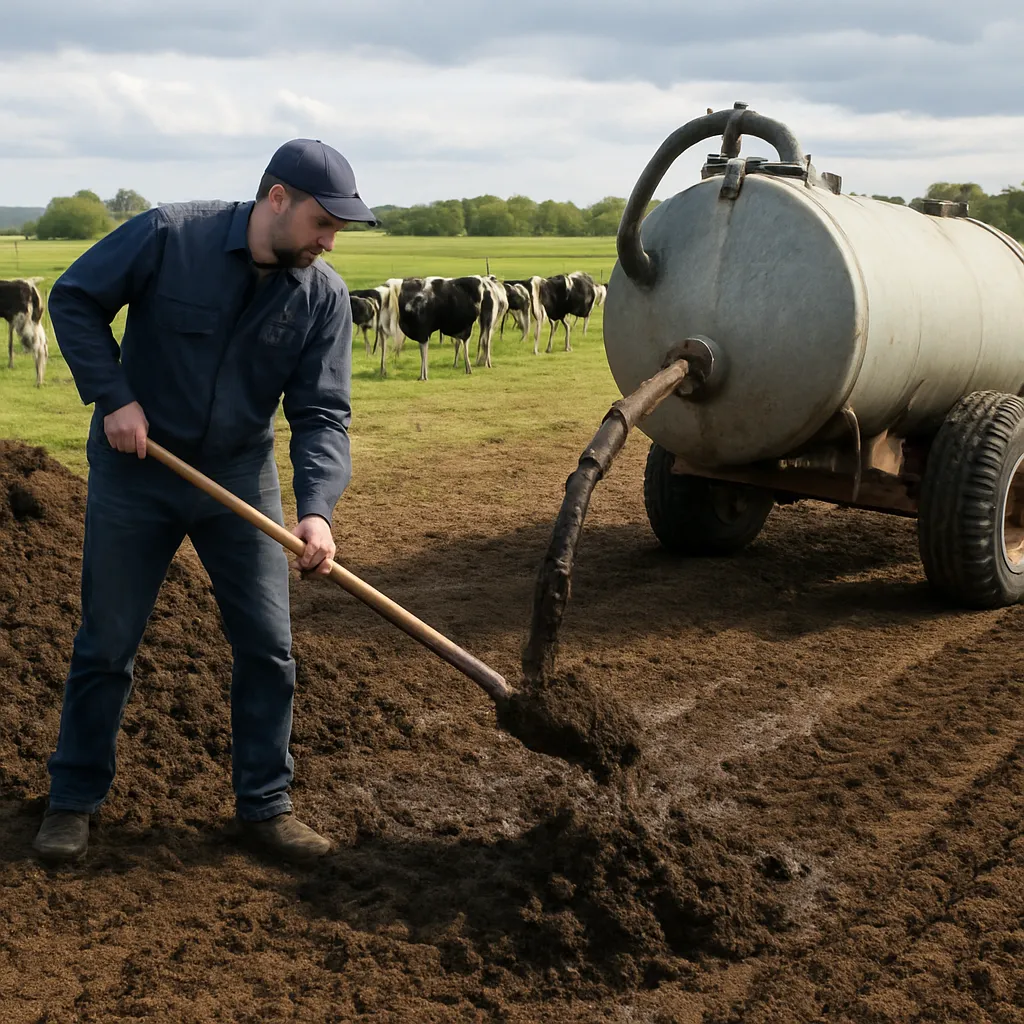
Effective handling of livestock byproducts is essential for maintaining a healthy farm ecosystem and protecting the broader community. This article explores critical aspects of responsible waste management in farming, offering insights into composition, treatment methods, and forward-looking solutions.
Understanding Livestock Waste
Composition and Challenges
Animal waste is a complex mixture of undigested feed, bedding materials, urine, and microbial biomass. The high moisture content and diverse nutrient profile can create serious management challenges on the farm. Without proper handling, manure can become a source of environmental pollution, emitting ammonia and greenhouse gases like methane. Farmers must recognize that effective manure management involves both reducing harmful emissions and capturing the inherent value embedded in these materials.
Environmental Impact
When left untreated or applied improperly, animal waste can lead to:
- Water contamination through nitrate leaching and bacterial runoff.
- Soil degradation, including pH imbalances and high salinity levels.
- Greenhouse gas emissions, primarily methane and nitrous oxide, which contribute to climate change.
- Odor and air quality concerns affecting nearby communities.
Understanding these risks is the first step in transitioning to sustainable practices that balance productivity with ecological protection.
Sustainable Waste Management Practices
Solid–Liquid Separation
Separating the solid and liquid fractions of manure can improve handling and treatment efficiency. This step allows farmers to:
- Reduce transportation costs, since liquid manure is easier to pump and spread.
- Enhance drying of solids for bedding reuse or composting.
- Lower the volume of material requiring long-term storage.
Composting and Nutrient Recycling
Composting transforms manure into a stabilized, nutrient-rich soil amendment. Key benefits include:
- Pathogen reduction through thermophilic heating phases.
- Improved soil fertility and structure, boosting crop yields.
- Odor control compared to raw manure application.
Implementing a well-designed composting regimen involves monitoring moisture, aeration, and carbon-to-nitrogen ratios to ensure a balanced biological process.
Anaerobic Digestion and Bioenergy
Anaerobic digesters break down organic waste in an oxygen-free environment to produce biogas, a renewable energy source. This approach offers dual advantages:
- Production of bioenergy that can power farm operations or be fed into the grid.
- Generation of digestate, a stabilized residue suitable for land application.
Integrating digesters not only reduces reliance on fossil fuels but also captures methane that would otherwise be released into the atmosphere.
Innovations and Future Prospects
Precision Technology in Waste Monitoring
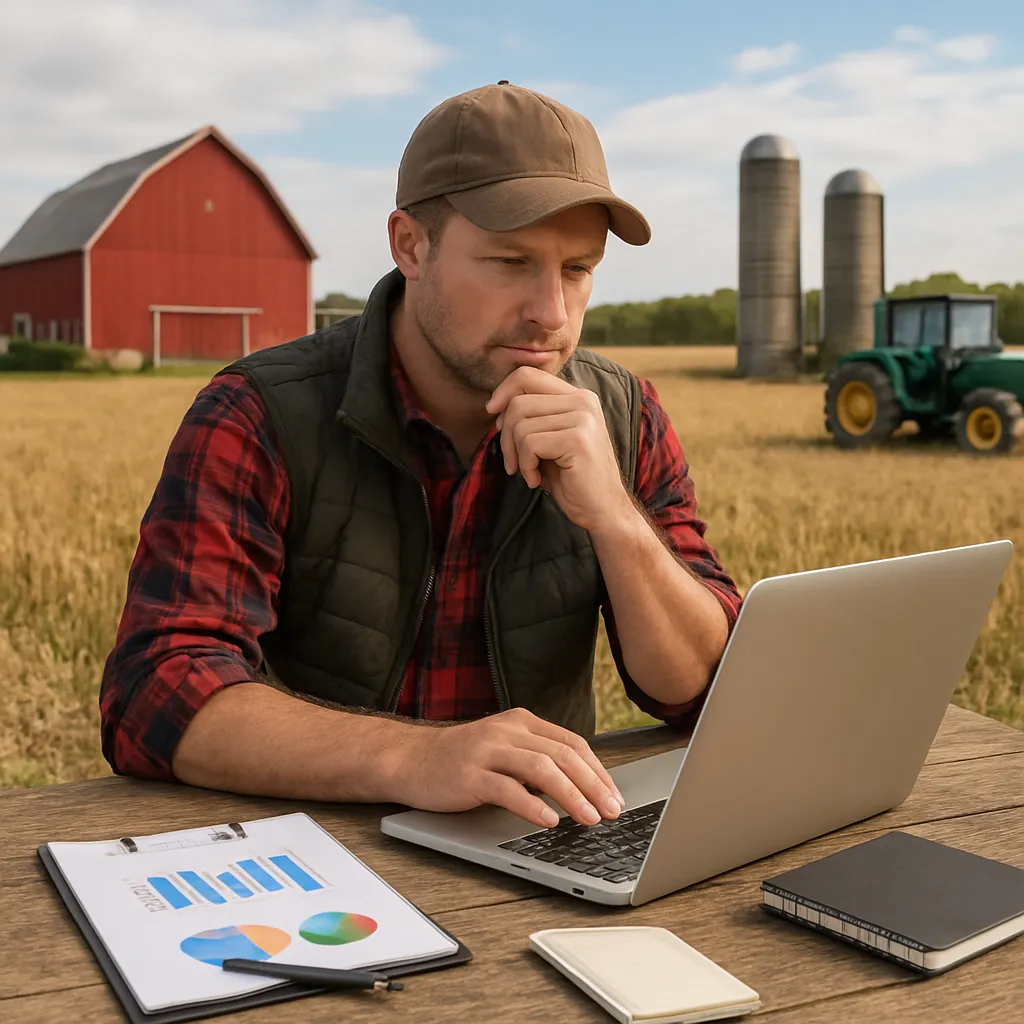
Advancements in sensors and data analytics enable farmers to track waste generation and treatment in real time. Precision tools can:
- Measure nutrient content before field application to prevent overfertilization.
- Optimize digester performance through temperature and pH monitoring.
- Alert operators to storage overflow or leakage risks.
Embracing precision management transforms waste from an unpredictable byproduct into a resource that can be managed systematically.
Policy and Education Initiatives
Effective regulatory frameworks and training programs are vital for widespread adoption of best practices. Key components include:
- Standards for manure storage and setback distances to protect water bodies.
- Incentives for investing in treatment infrastructure like anaerobic digesters.
- Workshops and certification courses on safe handling and application methods.
By aligning financial incentives with environmental goals, policymakers can accelerate the transition to more sustainable operations and safeguard community health.
Emerging Solutions
Research continues to open new pathways for waste valorization. Promising directions include:
- Integration of insect larvae to convert manure into high-protein animal feed.
- Production of biochar from manure solids to improve carbon sequestration in soils.
- Algal cultivation systems that absorb nutrients while generating biomass for biofuels.
These innovations could redefine the role of livestock waste, turning a disposal challenge into a cornerstone of a circular agricultural economy.
By adopting a holistic approach that combines proven methods with cutting-edge technologies, farmers can manage livestock byproducts in a manner that boosts farm productivity, protects natural resources, and contributes to long-term sustainability.