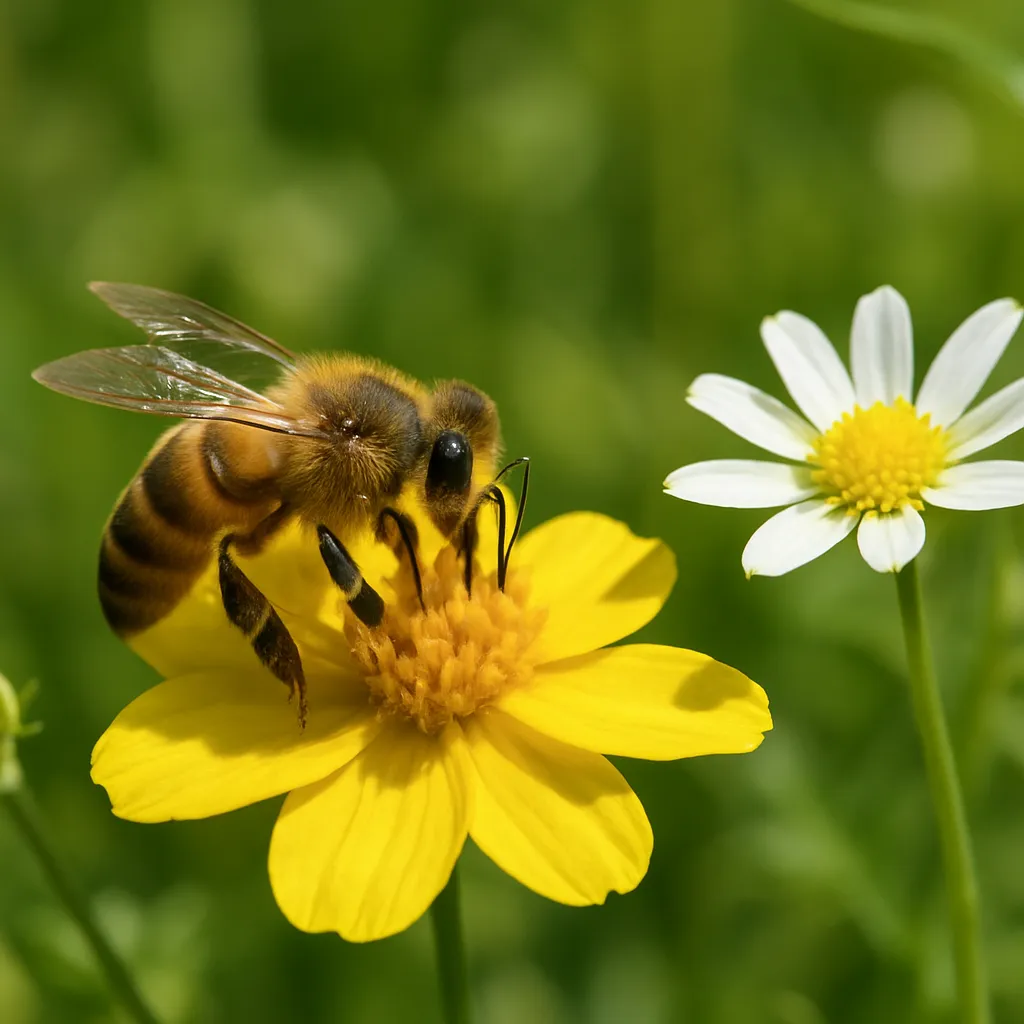
In modern agriculture, harnessing the power of natural pollinators has become a cornerstone of productive and environmentally responsible farming. By encouraging bees, butterflies, birds, and other creatures to visit flowering crops, farmers can boost fruit set, enhance seed production, and reduce reliance on chemical inputs. This approach not only improves yields but also nurtures the ecosystem services crucial for long-term farm health.
Enhancing Crop Productivity through Natural Pollinators
When pollinators transfer pollen between flowers, they enable fertilization and the development of seeds and fruits. Studies show that insect-mediated pollination can increase the quality and quantity of many high-value crops, from almonds and apples to cucumbers and strawberries. Key benefits include:
- Improved fruit set and uniformity, reducing misshapen or undersized produce
- Enhanced seed germination rates and vigor in seed crops
- Better shelf life and visual appeal, critical for market competitiveness
Adopting pollinator‐friendly practices can elevate crop yields by up to 30 percent in certain orchards and vegetable fields. For farmers transitioning to integrated pest management or organic farming, wild bees and managed honeybees are indispensable allies.
Common Natural Pollinators
- Honeybees (Apis mellifera): Highly social insects, easy to manage in hives
- Solitary bees (e.g., Osmia cornuta, Megachile rotundata): Efficient cross-pollinators active in cooler or overcast weather
- Butterflies and moths: Contribute to pollination in open-flowered and nectar-rich crops
- Hoverflies: Larvae prey on aphids, offering dual benefits for pest control and pollen transfer
- Hummingbirds and bats: Key pollinators for certain tropical fruits and night-blooming plants
Promoting Biodiversity and Soil Health
Encouraging a diverse pollinator community does more than increase yields. It fosters overall biodiversity and enhances soil fertility through multiple pathways:
- Wildflower strips and hedgerows provide nesting sites and nectar sources
- Diverse plantings improve habitat connectivity, allowing species to thrive
- Reduced chemical inputs preserve beneficial insects and soil microfauna
- Enhanced pollinator visitation can lead to more robust plant root systems
This holistic approach builds farm sustainability and resilience in the face of climate variability. Deep-rooted flowering plants enrich soils with organic matter while supporting ground-nesting bees and predatory insects that control crop pests.
Soil and Pollinator Synergies
Healthy soils retain water more effectively, benefitting both crops and the plants that sustain pollinators. In return, pollinator health supports improved plant reproduction, creating a positive feedback loop that enhances nutrient cycling and carbon sequestration across the farm.
Practical Strategies for Integrating Pollinators
Farmers can implement various on-farm measures to attract and maintain pollinator populations. Some proven practices include:
- Establishing rotational wildflower corridors to provide continuous bloom throughout the season
- Installing insect hotels and bee nesting boxes in field margins
- Reducing or eliminating neonicotinoid insecticides that are toxic to bees
- Planting cover crops such as clover and phacelia, which offer abundant nectar
- Providing water sources like shallow trays with pebbles for safe drinking sites
Successful integration often involves collaboration with entomologists, conservation groups, and local beekeepers. By monitoring pollinator activity and adjusting management practices, farmers can optimize both crop performance and habitat quality.
Designing Pollinator-Friendly Landscapes
Key design principles include:
- Diversity of bloom times to support early-season bees through to late-season butterflies
- Native plant species that local pollinators recognize and prefer
- Spatial arrangement to minimize pesticide drift and maximize foraging efficiency
Addressing Challenges and Ensuring Sustainability
Despite these advantages, farmers may encounter obstacles in relying on natural pollinators. Common challenges and solutions include:
- Pesticide exposure: Adopt precision spraying and biologically based controls
- Habitat loss: Restore field edges and uncultivated refuges
- Competition from invasive species: Manage invasive flora and introduce diverse native plantings
- Climate stress: Provide shaded areas and water sources during heatwaves
Long-term success requires ongoing education, community engagement, and policy support. Incentive programs for conservation set-asides and grants can offset initial establishment costs. Farmers who invest in pollinator health often find that improvements in crop quality and environmental services more than justify these expenditures.
Future Directions
Continued research into pollinator ecology, genomics, and behavior will refine best practices for agriculture. Innovations such as sensor-based hive monitoring and precision habitat mapping hold promise for optimizing pollinator performance. By integrating these advances, the farming sector can sustain both high yields and a thriving natural heritage.