Compost is a powerhouse resource in regenerative agriculture, offering a practical path to revitalize degraded land and boost productivity. By transforming kitchen scraps, yard waste, and agricultural residues into a dark, crumbly substance, farmers and gardeners can naturally enrich their fields. This guide explores effective strategies and best practices for harnessing compost to rebuild soil from the ground up.
Understanding Compost and Its Role
At its core, compost consists of decomposed organic material teeming with microorganisms, fungi, and earthworms. These living agents break down plant residues, converting them into a nutrient-rich amendment that improves soil structure. Healthy soil with ample organic matter promotes better water retention, root penetration, and resistance to erosion.
Key Components of Quality Compost
- Carbon – Provides energy for microbial activity; found in dry leaves, straw, and wood chips.
- Nitrogen – Fuels the growth and reproduction of microorganisms; sourced from grass clippings, kitchen scraps, and manure.
- Moisture – A critical medium for biochemical reactions; ideal moisture content ranges between 40-60%.
- Air – Adequate aeration supports aerobic decomposition and prevents foul odors.
Benefits of Compost Application
- Enhances soil health and biodiversity by feeding beneficial bacteria and fungi.
- Increases fertility naturally, reducing the need for synthetic fertilizers.
- Improves water infiltration and retention, combating drought stress in crops.
- Suppresses soil-borne diseases and pests through competitive microbial dynamics.
Building Quality Compost at Home or on the Farm
Creating effective compost involves balancing inputs and monitoring environmental conditions. Whether you manage a backyard pile or a commercial windrow system, these principles remain consistent.
Layering and Mixing Techniques
- Start with a coarse base of twigs or straw to facilitate aeration.
- Alternate layers of high-carbon (“browns”) and high-nitrogen (“greens”) materials.
- Ensure layers are no thicker than 20 centimeters to maintain heat circulation.
- Turn or blend the pile every 1–2 weeks to redistribute nutrients and oxygen.
Temperature and Moisture Management
- Internal pile temperatures between 55°C and 65°C accelerate decomposition and kill pathogens.
- Test moisture by squeezing a handful of material; it should feel like a damp sponge, not dripping wet.
- Add water during dry spells and incorporate bulky, dry materials if the pile becomes too soggy.
Incorporating Compost into Soil
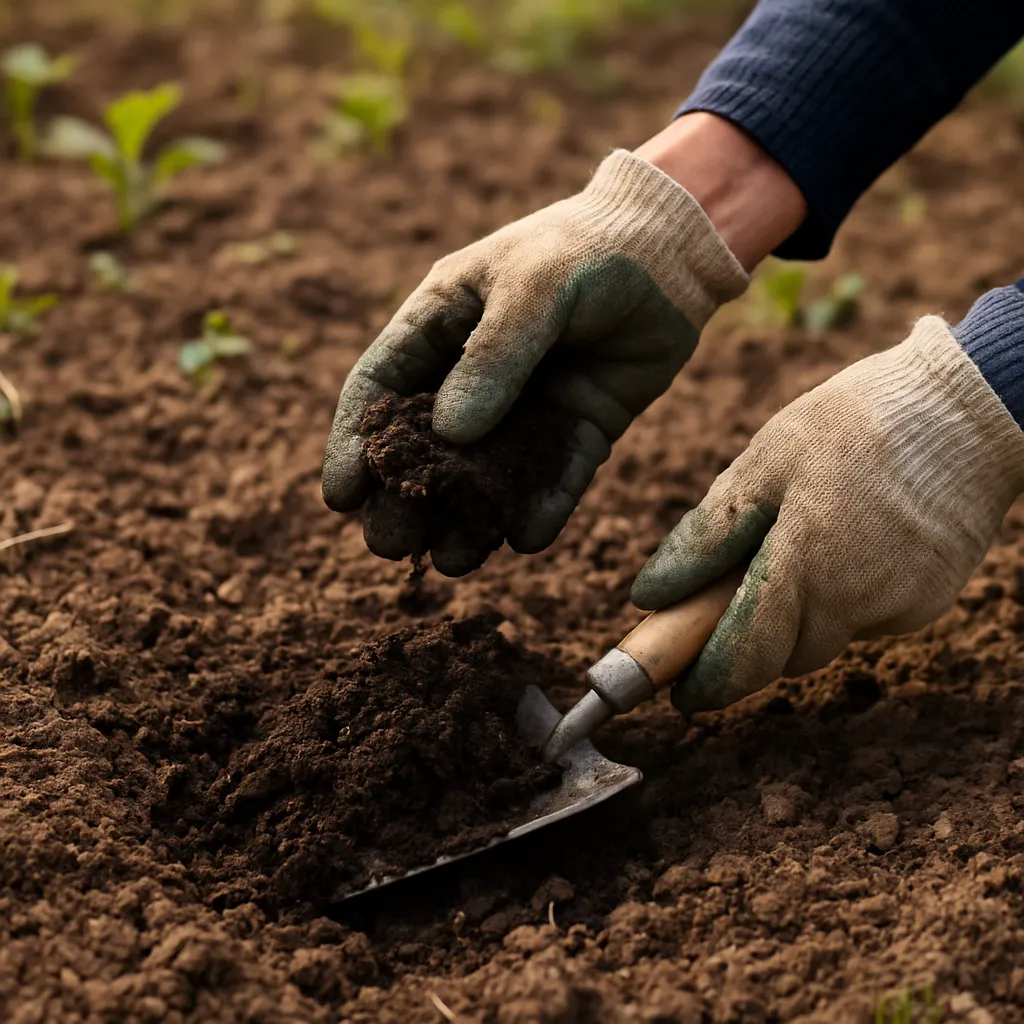
Once fully matured—dark, crumbly, and earthy-smelling—compost can be mixed into planting beds or applied as a top dressing. Effective integration ensures that crops reap maximum benefits from the nutrients and organic compounds found in compost.
Methods of Application
- Pre-Planting Amendment: Till or rototill compost into the top 15–20 cm of soil to enhance microbial activity and structure.
- Side-Dressing: Place compost in trenches alongside growing rows, supplying nutrients directly to root zones.
- Mulch Layer: Spread a 5–10 cm layer of compost on the surface to suppress weeds and conserve moisture.
Optimal Rates and Timing
- General guideline: 2–5 kg of finished compost per m² for annual vegetables and flower beds.
- Tree and orchard systems benefit from deeper applications—up to 10 kg per m²—around the drip line.
- Timing: Apply compost 2–4 weeks before planting to allow microbial populations to establish.
Monitoring and Maximizing Soil Recovery
Restoring soil is a continuous process. Regular assessment and adaptive management help maintain momentum in rebuilding soil health and optimizing crop yield.
Soil Testing and Indicators
- Conduct annual soil tests to track changes in organic matter and nutrient levels.
- Monitor soil pH; ideal range for most crops is 6.0–7.5. Adjust with lime or sulfur as needed.
- Assess soil texture and aggregation by squeezing a moist soil sample; well-structured soil forms stable crumbs.
Cover Crops and Crop Rotations
- Pair compost use with sustainability-focused practices such as planting legumes to fix atmospheric nitrogen.
- Implement diverse rotations to interrupt pest cycles and maintain balanced nutrient extraction.
- After harvest, sow cover crops like rye, clover, or vetch to protect bare soil and build additional organic matter.
Troubleshooting Common Challenges
Even with careful planning, compost-based soil rebuilding can face obstacles. Understanding these issues allows proactive solutions.
- Slow Decomposition: Check moisture and aeration; consider adding nitrogen-rich materials if the pile is cool or inactive.
- Weed Seeds or Pathogens: Ensure compost reaches thermophilic temperatures to destroy undesirable elements.
- Odor Issues: Aerobic conditions prevent foul smells. Turn piles more frequently and avoid excessive wetness.
- Nutrient Imbalances: Supplement compost with rock powders or mineral amendments when specific deficiencies appear.