Introducing young learners to the rhythms of planting and harvesting creates lasting connections between the classroom and the natural world. Farm-based education programs blend traditional subjects with real-world agricultural activities, giving students a chance to cultivate knowledge through direct involvement. These initiatives have gained momentum as educators seek to enhance engagement, deepen understanding of food systems, and nurture essential life skills. By immersing pupils in planting seeds, tending livestock, or monitoring crop cycles, schools can promote experiential learning that extends well beyond textbooks. This approach elevates conventional curricula by weaving together lessons in science, history, and nutrition around the common thread of farm life. Students become active participants in their own education, developing curiosity and a sense of responsibility that resonates long after their time on the field ends.
Integrating Agriculture into Learning Environments
Embedding a farm into school programming creates a versatile platform for interdisciplinary study. Teachers may design lessons where math problems revolve around calculating fertilizer ratios or geometry exercises involve mapping field plots. Literature classes can explore agricultural themes in classic novels, while art students sketch botanical forms and farm machinery. At the heart of this model is the belief that learning gains depth when students see concepts applied to the real world. A single farm site can support multiple academic objectives:
- Exploring plant biology through hands-on experiments with soil composition and sustainability trials.
- Analyzing weather data for meteorology lessons that predict planting schedules.
- Measuring animal growth metrics to reinforce statistical analysis skills.
Such integration demands collaboration among subject specialists and farm coordinators. Educators develop unit plans that align state standards with seasonal activities. For instance, a spring module on photosynthesis can coincide with greenhouse planting, while a fall session on decomposition might involve compost management. These cross-curricular connections ensure that agricultural settings become living laboratories where every discipline finds relevance.
Beyond core subjects, farm-based programs often invite community experts—veterinarians, agronomists, chefs—to lead workshops. Students gain firsthand insight into career paths and the broader network supporting food production. Through these encounters, learners develop a more nuanced appreciation for the complexity of modern agriculture and the collaborative efforts required to sustain it.
Hands-On Learning and Student Development
Active participation in farm tasks cultivates a range of soft skills essential for lifelong success. When children plant seeds or care for animals, they practice patience, attention to detail, and perseverance. These activities foster critical thinking as students troubleshoot issues like pest control or irrigation. Working alongside peers and mentors encourages teamwork and communication, while overcoming challenges—such as a plant disease outbreak—builds resilience.
Physical and Mental Well-Being
Regular outdoor activity improves both physical fitness and mental health. Digging, lifting, and carrying contribute to strength and coordination, while exposure to fresh air and natural light reduces stress levels. Research suggests that time spent in green spaces enhances mood and concentration. Farm-based education leverages these benefits, helping students return to academic tasks with renewed focus and energy.
Bridging STEM and Real-World Applications
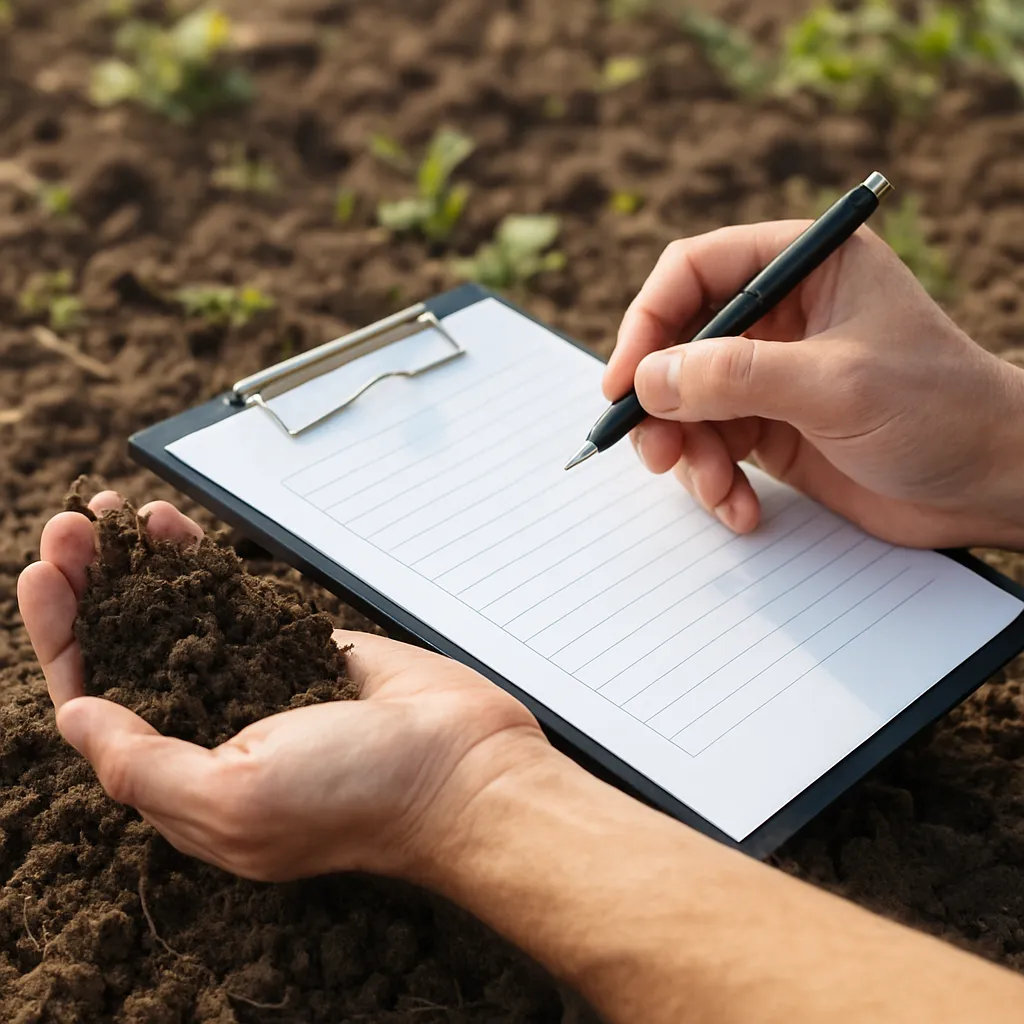
Science, Technology, Engineering, and Mathematics are brought to life on the farm. When learners assemble simple irrigation systems, they apply engineering principles. Testing soil pH introduces chemistry, while tracking crop yields fosters data analysis skills. By grounding STEM learning in tangible experiences, educators ignite enthusiasm and show how classroom theories shape everyday innovations.
Nutrition and Food Awareness
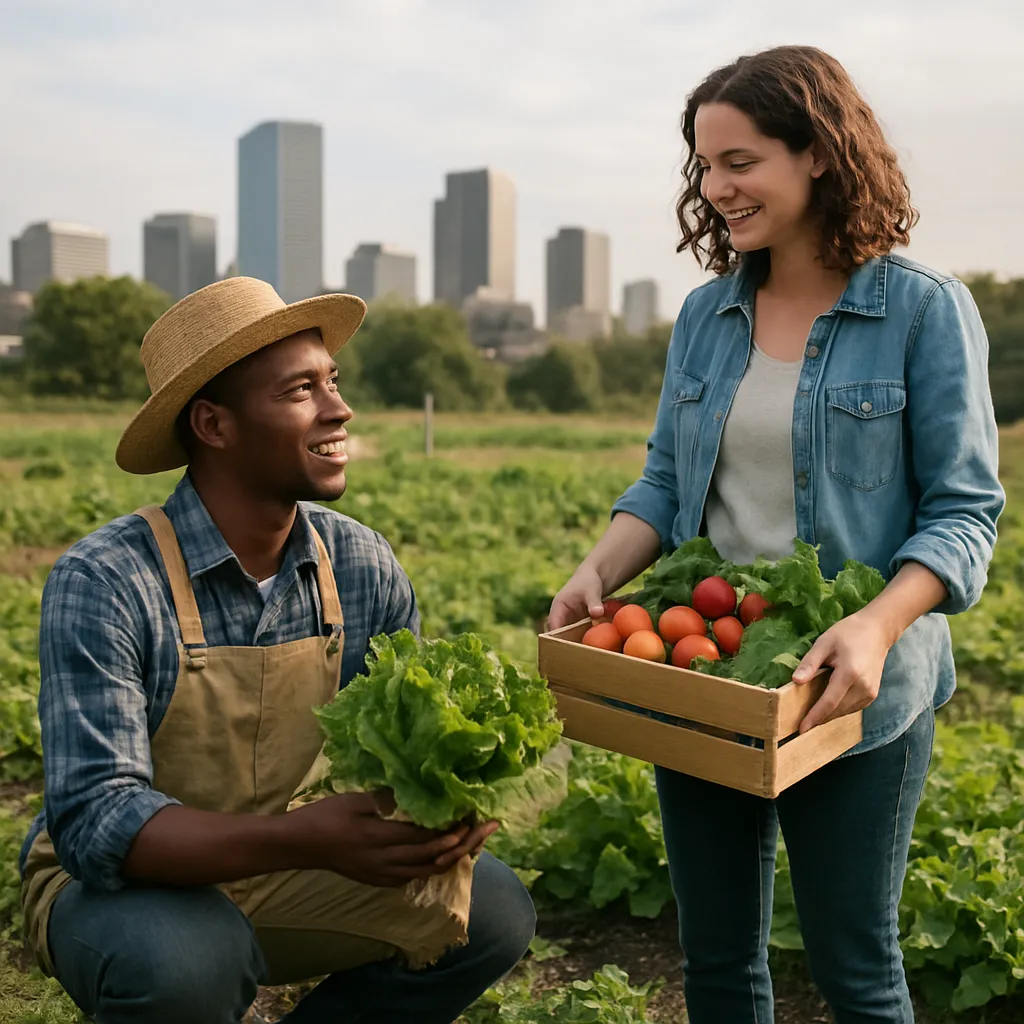
Engagement with planting, harvesting, and cooking modules deepens understanding of nutrition and healthy eating habits. Students who grow vegetables are more likely to try new produce and recognize the effort behind each meal. Cooking demonstrations led by local chefs transform farm-fresh ingredients into nutritious dishes, reinforcing the link between farm labor and personal well-being.
Community Engagement and Environmental Stewardship
Farm-based education extends its impact beyond school boundaries, forging stronger ties within local communities. Many programs operate in partnership with nearby farms, universities, and nonprofit organizations. Volunteers from civic groups help maintain gardens, while agricultural extension agents offer expert guidance. This network of support fosters a shared commitment to community enrichment and collective learning.
Promoting Environmental Awareness
Students immersed in farm ecosystems grasp the importance of environmental stewardship. They observe pollinators at work, monitor soil health, and implement composting systems that reduce waste. By tracking water usage and exploring renewable energy options—like solar-powered irrigation—they cultivate a deeper respect for resource conservation. Such experiences instill sustainable habits that extend into adulthood.
Cultural and Social Benefits
Community harvest festivals and farm-to-table events celebrate agricultural traditions and bring diverse populations together. Families join students in planting beds or sharing seasonal feasts, strengthening intergenerational bonds. These gatherings offer platforms for cultural exchange, where participants discuss heirloom crop varieties, regional recipes, and local history. The farm becomes a communal space where social cohesion and mutual understanding flourish.
Preparing Future Leaders
By involving youth in decision-making—such as selecting crop rotations or designing farm layouts—programs encourage leadership development. Students learn project planning, resource management, and budgeting skills. They may form garden clubs or sustainability committees, taking ownership of initiatives that impact both school grounds and neighboring green spaces. This empowerment nurtures civic-minded individuals ready to tackle global challenges.
Ultimately, farm-based education programs integrate experiential opportunities with academic rigor, equipping learners with practical expertise and a strong ethical foundation. Through hands-on engagement, interdisciplinary study, and active community involvement, students emerge as informed, capable stewards of the land, prepared to foster innovation and sustainability in their future endeavors.