Growing wheat organically involves a careful balance of ecological principles, careful planning, and a commitment to enhancing the health of your land. By avoiding synthetic chemicals and focusing on natural processes, farmers can produce high-quality grain while preserving the environment. This article explores essential steps and practices for cultivating wheat with an emphasis on ecological stewardship and long-term productivity.
Selecting the Ideal Wheat Variety
Choosing the right wheat variety sets the foundation for a successful organic crop. Factors to consider include climate adaptability, disease resistance, and market demands. Locally adapted cultivars often perform better because they have evolved in the regional environment. When selecting a seed stock, prioritize:
- Disease Resistance: Varieties with built-in defenses against rusts, mildew, and smuts reduce reliance on interventions.
- Winter Hardiness or Fall Planting Tolerance: Depending on your zone, choose spring or winter wheat accordingly.
- Grain Quality: Baking strength, protein content, and milling characteristics matter if you target specialty markets.
- Local Adaptation: Seek seeds from nearby organic farms to ensure adaptability.
- Certified Organic Seed: This guarantees compliance with organic standards and avoids inadvertent chemical residues.
Partnering with Seed Suppliers
Establish relationships with reputable organic seed suppliers. Attend local seed exchanges or connect with agricultural extension services. Such collaborations help you access biodiversity and introduce valuable traits into your fields.
Enhancing Soil Health Naturally
Soil is the lifeblood of any organic system. Focusing on its structure, nutrients, and microorganisms promotes vigorous root growth and strong plants. The following practices are pivotal:
1. Organic Matter and Compost
Applying well-decomposed compost enriches soil with essential nutrients and stimulates beneficial microbial activity. Spread a 1–2 inch layer of compost before planting or during fallow periods. Quality compost should be dark, crumbly, and free of offensive odors.
2. Green Manure and Cover Crops
Cover crops like clover, vetch, or field peas fix atmospheric nitrogen and protect soil against erosion. Incorporate them into the soil 2–3 weeks before wheat planting. This practice boosts fertility, improves soil structure, and increases moisture retention.
3. Crop Rotation
Rotating wheat with legumes, oilseeds, or other cereals interrupts pest and disease cycles. A common four-year rotation might be:
- Year 1: Soybean or Pea (nitrogen-fixing)
- Year 2: Corn or Sunflower
- Year 3: Wheat
- Year 4: Buckwheat or Mustard (biofumigant cover)
This crop rotation enhances resilience against pathogens and balances soil nutrient demands.
4. Minimal Tillage
Reducing tillage preserves soil aggregates and minimizes disruption of microorganisms. Consider no-till drills or strip-till equipment to open a narrow seedbed strip while leaving residue in place. The residue acts as a mulch, suppressing weeds and conserving moisture.
Organic Nutrient Management
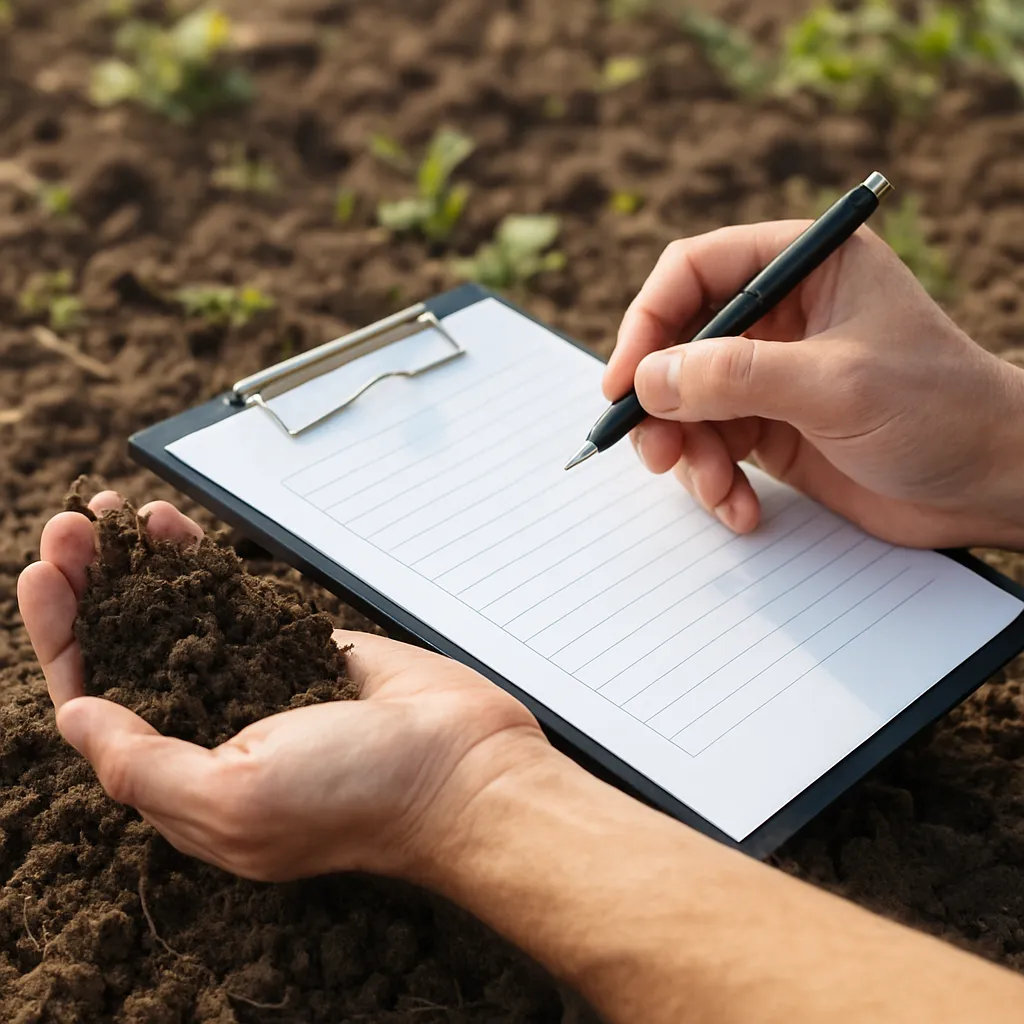
Accurate nutrient management is crucial to prevent deficiencies without synthetic fertilizers. Regular soil tests guide organic amendments:
- Bone Meal or Rock Phosphate for Phosphorus
- Greensand or Kelp Meal for Trace Minerals
- Gypsum to improve Calcium and soil structure without altering pH drastically
- Feather Meal or Blood Meal for supplemental Nitrogen
Incorporate these amendments based on soil test recommendations. Over-application can harm microbial communities, so moderation is key.
Weed and Pest Control with Ecological Methods
Organic wheat farming requires a proactive approach to manage weeds, insects, and diseases while avoiding synthetic controls. Integrating multiple strategies yields the best results.
Integrated Weed Management (IWM)
- Mechanical Weeding: Use inter-row cultivators early in crop development.
- Mulching: Retained crop residue or biodegradable mulches suppress weed germination.
- Cover Crop Residue: Fast-growing cover crops terminated just before planting help block sunlight to weed seeds.
- Flame Weeding: Short bursts of propane flames target young weeds without harming the wheat.
Encouraging Beneficial Insects
Planting insectary strips with flowering plants such as buckwheat, alyssum, or yarrow can attract beneficial insects like ladybugs, lacewings, and parasitic wasps. These predators help keep aphid and mite populations in check.
Biological and Cultural Disease Controls
Preventive measures are more effective than cures. To reduce disease pressure:
- Maintain optimum plant spacing for air circulation.
- Rotate crops to disrupt pathogen life cycles.
- Apply copper-based or sulfur-based organic fungicides judiciously when needed.
- Use resistant varieties and certified seed free of common diseases.
Water Management and Irrigation
Efficient water use supports sustainable yields. While wheat often relies on rainfall, supplemental irrigation can stabilize crop yield in dry spells.
- Drip or Micro-sprinkler Systems: Direct water to the root zone and reduce evaporation losses.
- Soil Moisture Monitoring: Soil tensiometers or simple probes ensure timely irrigation without overwatering.
- Scheduling: Irrigate at critical growth stages such as tillering, stem elongation, and grain filling.
Maintaining moisture levels within the ideal range reduces plant stress and mitigates the risk of lodging or shriveled kernels.
Harvesting and Post-Harvest Handling
Proper timing and handling preserve grain quality and viability for future planting:
Determining Harvest Readiness
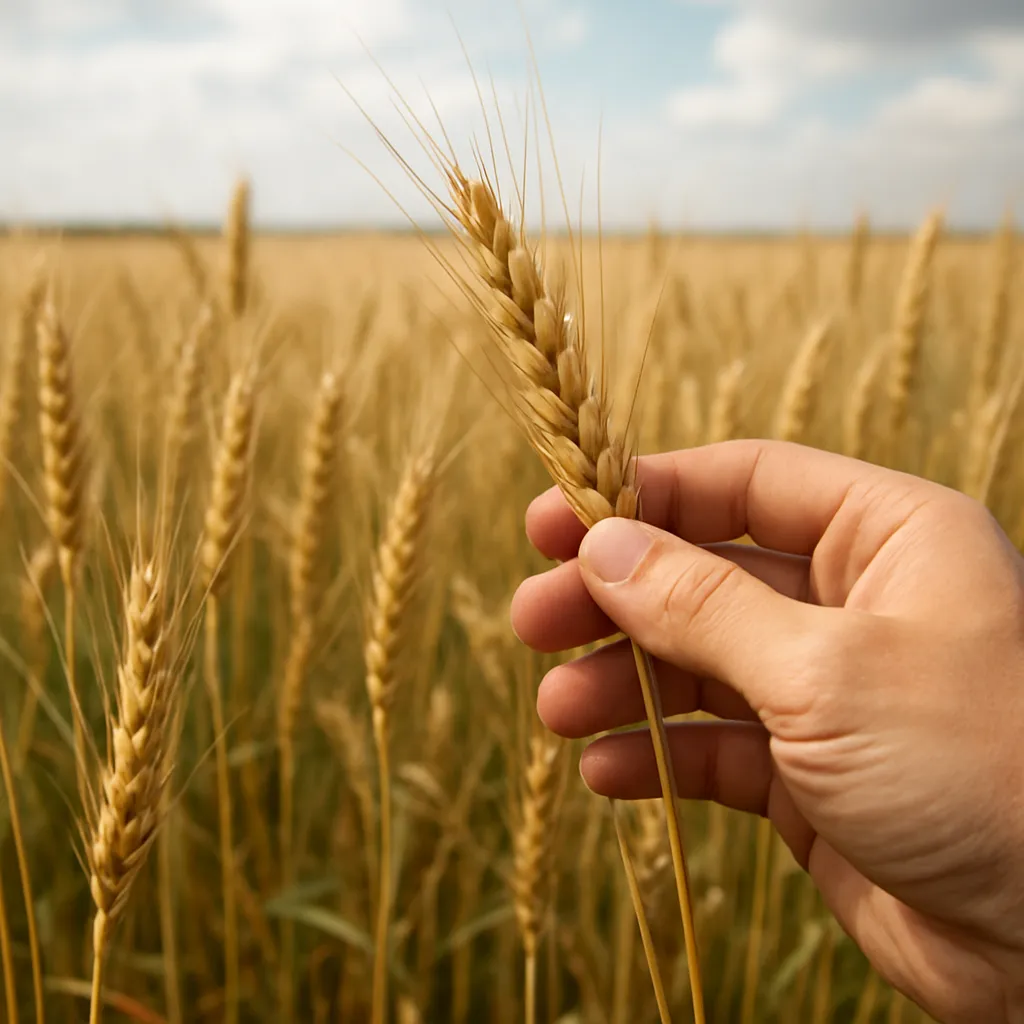
Harvest when moisture content falls to 14–16%. Overripe wheat may shatter, while under-ripe grain stores poorly. Monitor by sampling heads and checking kernel hardness.
Threshing and Cleaning
- Use a combine or stationary threshing machine to separate grain from chaff.
- Pass the harvested grain through sieves or air-screen cleaners to remove debris and broken kernels.
Drying and Storage
Store wheat at 12% moisture or below to prevent mold growth. Use aeration systems or low-heat fans to maintain temperature and prevent condensation. Keep storage bins clean and sanitized between seasons to avoid pest infestations.
Enhancing Farm Biodiversity and Long-Term Sustainability
Beyond a single season, building a resilient organic system requires holistic planning:
- Agroforestry: Integrate windbreaks or hedgerows to protect fields and provide habitat.
- Polycultures: Intercropping small grains with legumes or forages can diversify income and improve soil structure.
- Habitat Conservation: Preserve wetlands, buffer strips, and edges to support wildlife.
- Continuous Learning: Participate in organic farming networks, field days, and research trials to stay abreast of innovations.
By nurturing a diverse ecosystem, you create checks and balances that reduce reliance on external inputs and foster farm resilience.