Effective weed management is a critical component of any thriving organic farm. With rising consumer demand for chemical-free produce, farmers must adopt innovative methods that maintain soil fertility, promote biodiversity, and ensure crop productivity. This article explores a range of techniques—from cultivation tactics to biological interventions and cutting-edge technologies—that help control unwanted vegetation without resorting to synthetic herbicides.
Cultural and Mechanical Control Strategies
Cultural practices form the foundation of an herbicide-free weed management program. By adjusting planting schedules, soil preparation methods, and in-field operations, growers can significantly reduce weed pressure and create a more competitive environment for crops.
Timely Tillage and Soil Preparation
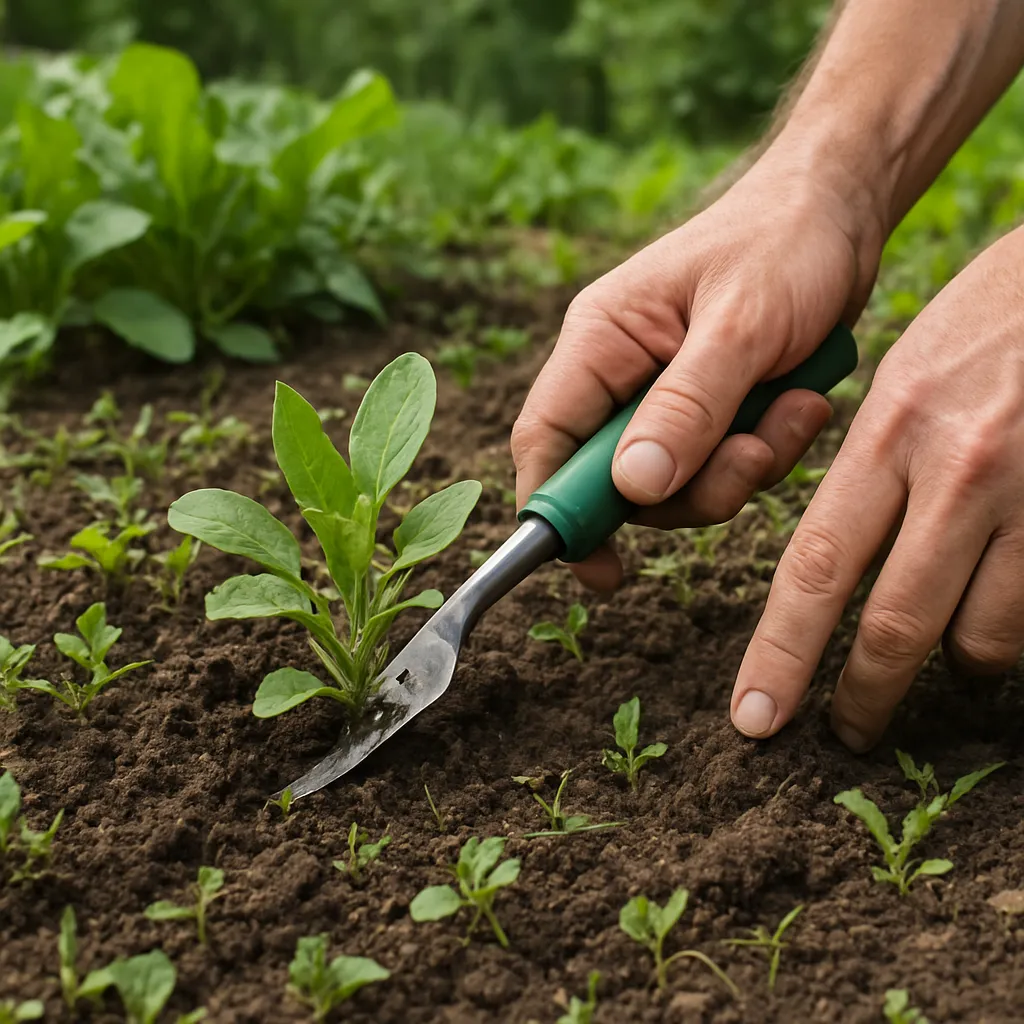
- Mechanical weeding: Implements like rotary hoes, tine weeders, and cultivators disrupt weed emergence before crops establish. Regular passes can prevent weeds from reaching a seed-producing stage.
- Shallow tillage: Performing a light tillage 7–10 days before planting stimulates weed seed germination. A follow-up shallow cultivation then eliminates young weed seedlings.
- Deep plowing: In certain systems, deep inversion tillage buries perennial weeds and seed banks below the active root zone, reducing future germination events.
Optimizing Planting Arrangements
- Row spacing: Narrow row widths allow crop canopies to close earlier, shading out emerging weeds.
- Intercropping: Planting complementary species side by side can exploit differences in root depth and growth patterns, creating a denser canopy that suppresses weed germination.
- Precision seeding: Accurate placement of seeds reduces the available open soil where weeds can establish, improving overall crop competitiveness.
Crop Rotation and Cover Crops
Strategic use of diverse crop rotations and cover crops forms a cornerstone of sustainable organic agriculture. These practices interrupt weed life cycles, improve soil structure, and enhance soil health.
Designing Effective Crop Rotations
- Alternate families: Rotating between grass, legume, and broadleaf crops hinders weeds specialized to certain crop environments.
- Include high-biomass crops: Species like sorghum-sudangrass produce significant canopy cover and residue that shade weed seedlings post-harvest.
- Adapt to local conditions: Tailor rotation length and sequence based on regional climate, soil type, and dominant weed species.
Leveraging Cover Crops for Weed Suppression
- Residue mulch: Terminated cover crops leave a thick mat of biomass that physically blocks weed emergence.
- Allelopathic species: Rye, mustard, and sorghum possess compounds that inhibit weed seed germination and early growth through allelopathy.
- Living mulch: Low-growing legumes sown between crop rows can outcompete weeds for light and nutrients during critical establishment phases.
Biological and Allelopathic Methods
Biological control introduces natural enemies or relies on plant-to-plant interactions to manage weed populations. These approaches foster ecological balance and reduce reliance on mechanical interventions.
Biocontrol Agents
- Pathogens: Specific fungi or bacteria can be applied to attack target weed species without harming crops. For instance, certain rusts effectively suppress thistles and knapweeds.
- Insects: Predatory insects or seed-feeding weevils can reduce seed viability of persistent weeds like yellow starthistle or waterhyacinth.
Exploiting Allelopathic Interactions
- Cereal rye mulches: After mowing, rye tissue releases phenolic compounds into the soil, delaying weed germination for several weeks.
- Mustard biofumigation: Incorporating mustard cover crops and allowing brief decomposition can release natural biocides that target weed seeds and soil-borne pathogens.
- Mixed-species plantings: Combining allelopathic and competitive species enhances weed suppression while maintaining biodiversity.
Technological Innovations and Integrated Approaches
Modern technology complements traditional practices by offering precision tools and data-driven insights. Farmers can integrate mechanical, cultural, and biological methods for a holistic strategy that addresses weed challenges at multiple scales.
Precision Weeding Robotics
- Autonomous robots: Equipped with cameras and AI algorithms, these machines identify weeds and perform targeted mechanical removal, reducing labor costs and soil disturbance.
- Electrothermal weeding: Small, mobile units emit controlled heat pulses to desiccate weed tissues without affecting adjacent crops.
Remote Sensing and Decision Support
- Drone imagery: High-resolution aerial photos detect weed hotspots early, enabling spot treatments or manual removal before infestation spreads.
- Soil moisture sensors: Monitoring moisture levels helps optimize irrigation schedules, preventing conditions that favor certain weed species.
- Decision support systems: Software platforms integrate weather forecasts, crop models, and weed emergence data to recommend optimal timings for interventions.
Integrated Weed Management (IWM)
- Combining tactics: By rotating control methods, farmers avoid overreliance on any single strategy, reducing the risk of weed adaptation and resistance.
- Monitoring and record-keeping: Detailed logs of weed species, densities, and control outcomes inform future planning and improve long-term effectiveness.
- Community collaboration: Sharing local research and best practices among nearby organic producers fosters collective improvements and regional resilience.