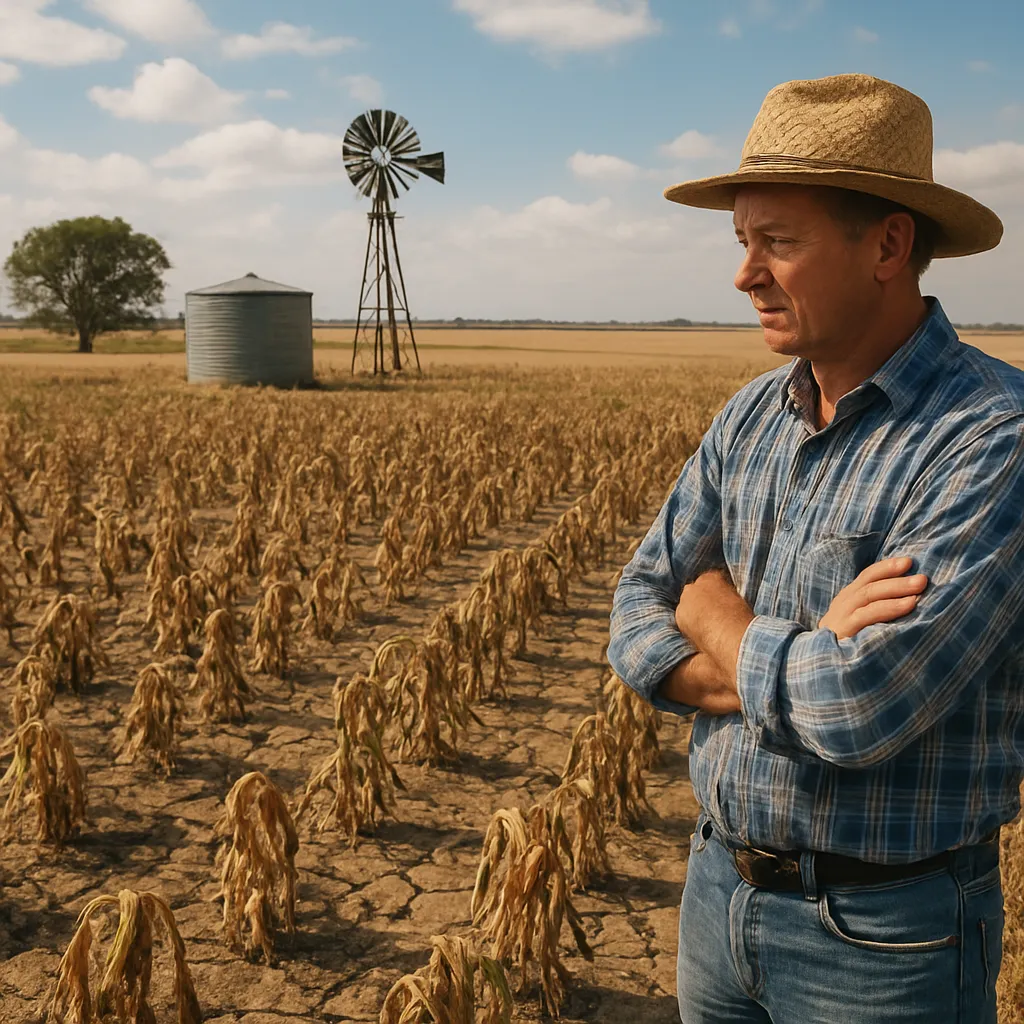
Embarking on the journey to form a farm cooperative demands careful planning, dedicated teamwork, and a clear shared vision. A successful cooperative can unlock new opportunities for small and medium-sized farmers, enabling them to pool resources, share risks, and enhance profitability. By combining individual strengths and expertise, members can benefit from economies of scale, improved bargaining power, and access to premium markets.
Planning and Organizing a Farm Cooperative
Every thriving cooperative begins with a solid foundation built on trust, communication, and mutual goals. During the planning stages, potential members should gather to define the cooperative’s core mission and the benefits it will bring to each participant. Facilitating open discussions about expectations, roles, and long-term objectives lays the groundwork for cohesive teamwork.
Defining Clear Objectives
Before registering the cooperative, founding farmers must agree on specific aims. These may include:
- Lowering input costs through bulk purchasing of seeds, fertilizer, and equipment
- Shared use of processing or storage facilities
- Joint marketing and distribution to reach higher-value markets
- Pooling technical knowledge to improve sustainability and yield
Documenting these objectives in a preliminary business plan helps align all members and provides a roadmap for growth.
Member Recruitment and Roles
Identifying committed farmers whose values and skills complement one another is essential. During recruitment, consider:
- Farm size, production methods, and crop or livestock specializations
- Experience with cooperative models or business management
- Willingness to invest time and possible capital contributions
Once members are selected, assign roles according to individual strengths, from finance and bookkeeping to operations, marketing, and quality control. Clear role descriptions prevent overlap and ensure accountability.
Legal Structure and Funding Strategies
Choosing an appropriate legal framework is a critical step for formalizing the cooperative’s governance. Options vary by country and may include models such as a cooperative corporation, an association, or a limited liability partnership. Consulting with a legal expert helps navigate registration requirements, tax obligations, and member rights.
Drafting Bylaws and Governance Policies
Bylaws serve as the cooperative’s constitution, detailing:
- Membership criteria and admission procedures
- Voting rights and decision-making processes
- Capital structure, including share issuance and equity contributions
- Profit distribution methods and reinvestment policies
- Conflict resolution and member exit strategies
Transparent governance policies foster member trust and minimize potential disputes.
Securing Funding and Capital
Establishing robust financing ensures the cooperative can acquire essential assets and cover operational expenses. Common funding sources include:
- Member equity contributions based on farm size or production volume
- Government grants or subsidies designed to support rural development
- Loans from agricultural banks or credit unions, often at favorable rates
- Partnerships with investors interested in sustainable agriculture
In many regions, cooperatives qualify for specialized programs that offer low-interest loans or matching grants. A well-prepared financial plan, including cash flow forecasts and break-even analysis, enhances credibility with lenders and donors.
Day-to-Day Management and Marketing Strategies
Once operational, a cooperative must focus on efficient management of resources, production processes, and market outreach. Effective coordination amplifies the benefits of collective action and drives long-term growth.
Operational Coordination
Standardizing processes across member farms promotes consistency and quality control. Key practices include:
- Shared procurement schedules to obtain bulk discounts
- Collective planting or harvesting calendars for crop synchronization
- Joint maintenance plans for machinery and facilities
- Regular member meetings to review performance metrics and address issues
Utilizing modern management software can streamline task assignments, track input usage, and monitor yields in real time.
Branding and Market Access
Creating a recognizable brand sets the cooperative apart in competitive markets. This involves:
- Developing a unique cooperative name and logo reflecting shared values
- Packaging that highlights quality, origin, and sustainable practices
- Certification schemes (e.g., organic, fair trade) to appeal to premium buyers
- Digital marketing channels such as a dedicated website, social media presence, and online marketplaces
Establishing direct relationships with retailers, restaurants, and wholesalers helps secure stable contracts and fair pricing. Participating in trade fairs and agricultural expos further expands network opportunities.
Risk Management and Continuous Improvement
Agricultural ventures are inherently exposed to weather fluctuations, market volatility, and pest outbreaks. A cooperative can mitigate these risks more effectively than individual farms.
Pooling Insurance and Contingency Funds
By combining resources to purchase group insurance policies, members gain access to better coverage at lower premiums. Additionally, maintaining a contingency reserve fund ensures quick responses to emergencies such as:
- Natural disasters (droughts, floods, storms)
- Pest or disease outbreaks
- Market price crashes
Embracing Innovation and Training
Continuous learning and adoption of new technologies strengthen cooperative resilience. Activities may include:
- Workshops on precision agriculture, soil health, and integrated pest management
- Field demonstrations of innovative machinery and irrigation systems
- Exchange visits with other successful cooperatives
- Ongoing data analysis to refine planting strategies and harvest schedules
Fostering a culture of collaboration and knowledge-sharing ensures that all members benefit from collective expertise and stay ahead of industry trends.