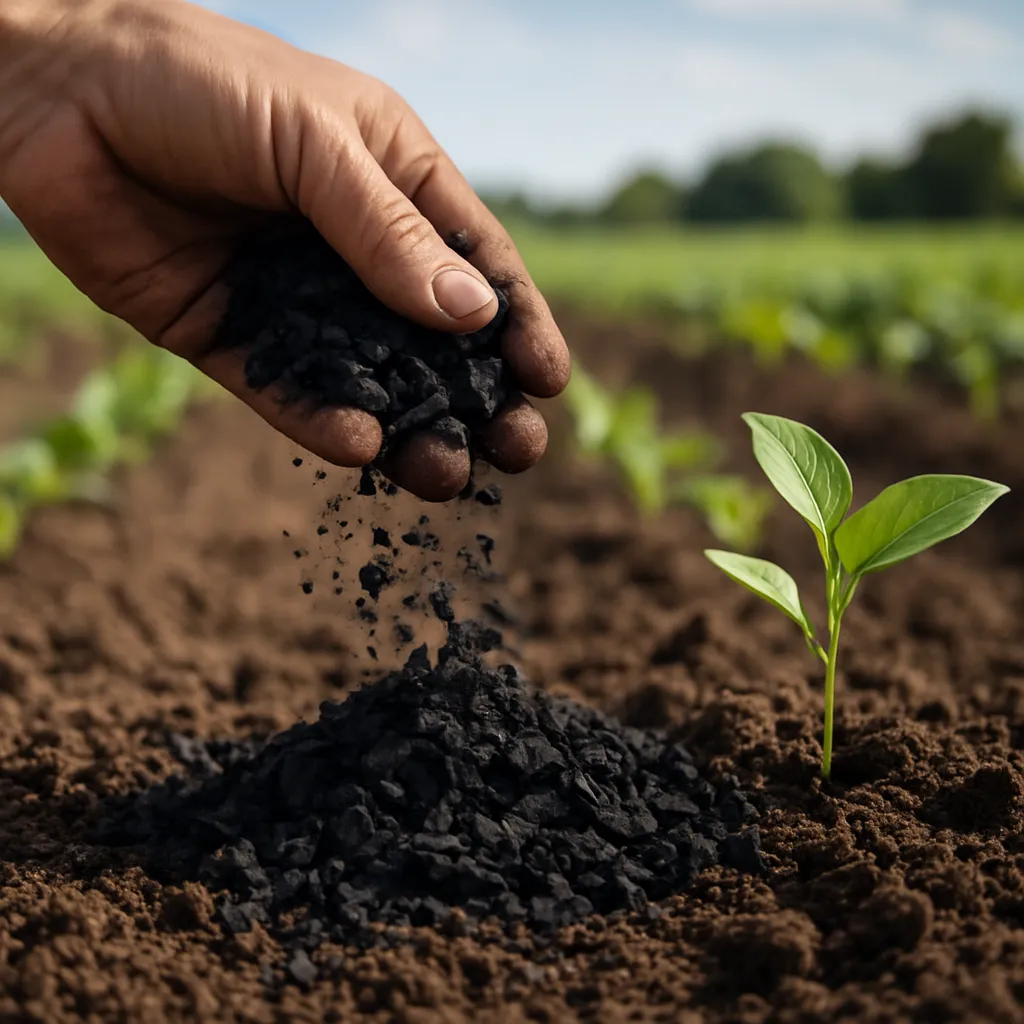
Improving farm soil through the use of biochar has gained significant attention among sustainable agriculture practitioners. By integrating this ancient, yet innovative amendment, farmers can boost soil fertility, enhance water retention, and foster healthier root environments. This article outlines key concepts, application methods, and tangible benefits of using biochar in modern farming operations.
Importance of Soil Health
Maintaining high levels of soil health is crucial for any agriculture enterprise. Healthy soil supports plant growth by providing essential nutrients and fostering robust microbial activity. Poor soil conditions can lead to reduced yields, increased susceptibility to diseases, and higher input costs as farmers attempt to correct deficiencies. Among various soil management strategies, biochar stands out as a versatile tool for addressing multiple challenges at once.
Key Soil Functions Supported by Biochar
- Water retention – Biochar’s porous structure holds moisture in drought-prone soils.
- Nutrient adsorption – It increases cation exchange capacity, preventing leaching.
- Root development – Creates favorable habitats for beneficial microbes around root zones.
- pH stabilization – Can raise soil pH in acidic conditions, optimizing nutrient availability.
- Carbon sequestration – Permanently stores carbon in the soil, reducing greenhouse gas emissions.
Understanding Biochar
Biochar is a stable form of carbon produced by pyrolyzing organic biomass under low-oxygen conditions. Historically used in Amazonian dark earths (Terra Preta), this black, lightweight material has regained popularity for its remarkable soil-enhancing properties. The feedstock and pyrolysis temperature determine biochar’s surface area, pore size distribution, and nutrient content, making selection of the right type crucial.
Characteristics of Quality Biochar
- High specific surface area – Maximizes sites for water and nutrient adsorption.
- Stable carbon matrix – Ensures long-term sustainability and soil structure improvement.
- Minimal contaminants – Free from heavy metals and toxic compounds.
- Moderate pH – Avoids extremes that could harm sensitive crops.
Methods of Application
Applying biochar effectively involves several steps, from pre-treatment to field incorporation. Proper handling can maximize its impact and reduce waste.
Preparation and Activation
- Pre-charge with nutrients: Mix biochar with compost, manure, or liquid fertilizers to enhance its adsorption capacity.
- Hydrate before use: Wetting biochar prevents it from absorbing water from seed beds or young roots.
Field Incorporation Techniques
- Broadcast spreading – Distribute evenly across the surface, then till into the topsoil layer.
- Band application – Apply concentrated bands near seed rows to target early root zones.
- Potting mixes – Blend with growing media for greenhouse transplants to give seedlings a strong start.
- Deep injection – For orchards or vineyards, inject biochar deeper to improve water retention in subsoil.
Benefits to Crop Productivity
Farmers worldwide have reported impressive gains in yield and crop quality following biochar integration. The combination of improved soil structure, nutrient retention, and microbial habitat results in multiple agronomic advantages.
Yield and Quality Enhancements
- Increased biomass – Plants develop larger root systems and denser foliage.
- Enhanced fruit size – Higher sugar content and improved texture have been observed in fruits and vegetables.
- Drought resilience – Crops grown in biochar-amended soils withstand dry periods more effectively.
Long-Term Soil Fertility
Unlike soluble fertilizers that may leach away, biochar holds onto nutrients and gradually releases them as needed. Over multiple seasons, this leads to a sustained improvement in soil fertility and a reduction in external input requirements. Additionally, the increased microbial diversity and activity support nutrient cycling, further enhancing productivity without additional chemicals.
Environmental Impacts
Beyond farm-level benefits, biochar contributes positively to environmental goals such as carbon sequestration and pollution mitigation. Its stable carbon form can remain in soils for hundreds of years, locking away atmospheric CO2 that would otherwise contribute to climate change.
Carbon Sequestration
Every ton of biochar applied to soil effectively sequesters roughly half a ton of carbon, depending on feedstock. When implemented at scale, this practice can become a major tool in climate-smart farming strategies.
Water Quality Protection
- Reduced nutrient runoff – By binding to nutrients, biochar lowers leaching into waterways.
- Contaminant adsorption – Heavy metals and certain organic pollutants can be immobilized in biochar’s pores.
Enhanced Biodiversity
Biochar’s porous network creates microhabitats for beneficial organisms, including earthworms, bacteria, and fungi. This boost in soil biodiversity fosters natural pest suppression and improved nutrient cycling.