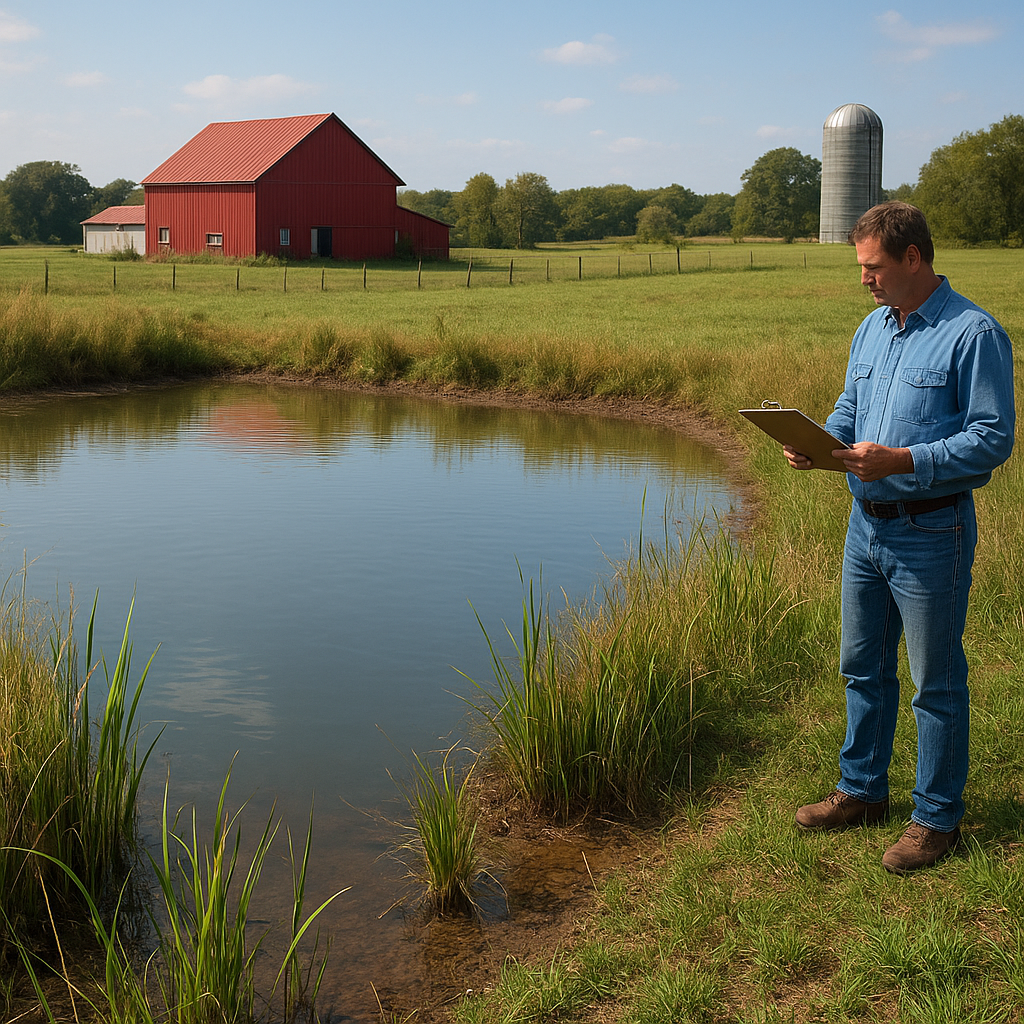
Effective management of farm ponds is crucial for ensuring reliable water supply, promoting aquatic life, and supporting a healthy agricultural environment. A well-maintained pond can serve multiple purposes, from providing irrigation and livestock watering to enhancing farm biodiversity. The following sections outline strategies for pond planning, water quality optimization, and ongoing upkeep to maintain a thriving aquatic ecosystem.
Planning and Designing Farm Ponds
Site Selection and Layout
- Evaluate topography to identify natural depressions or plateaus that can hold water efficiently.
- Consider soil type; clay or loamy soils reduce seepage, while sandy soils may require liners or compaction.
- Assess waterflow patterns to ensure adequate inflow and overflow points for stable water levels.
Size, Depth, and Shaping
- Depth Gradient: Design varied depths (e.g., 1–2 meters) to accommodate different aquatic organisms and temperature layers.
- Berm and Bank Slopes: Gentle slopes (3:1 or 4:1) facilitate wildlife access and reduce erosion risk.
- Surface Area: Balance evaporation losses against storage needs; larger surface areas can support more biodiversity.
Infrastructure and Accessories
- Spillways and Overflow Structures: Prevent overtopping and bank erosion during heavy rainfall events.
- Inlet Controls: Install screens or grates to minimize debris and sediment intake.
- Aeration Systems: Equip the pond with fountains or diffusers to maintain adequate aeration, reducing risk of anoxic zones.
Maintaining Water Quality Through Biological Strategies
Vegetation Management
- Buffer Strips: Plant native grasses and shrubs around pond perimeters to filter nutrient runoff and stabilize banks.
- Aquatic Plants: Introduce submerged macrophytes (e.g., pondweed, hornwort) to oxygenate water and compete with unwanted algae.
- Shoreline Trees: Provide shade to regulate water temperature and discourage excessive algal blooms.
Fish and Wildlife Considerations
Integrating fish stocking and wildlife habitat can create a balanced ecosystem:
- Species Selection: Combine predator (e.g., largemouth bass) and prey (e.g., bluegill) to control population dynamics naturally.
- Habitat Structures: Deploy submerged logs or rock piles to offer shelter and spawning grounds.
- Waterfowl Impact: Monitor bird populations to prevent overgrazing of aquatic vegetation and nutrient loading from waste.
Physical and Chemical Techniques for Water Management
Algae and Sedimentation Control
- Dredging: Periodic removal of accumulated sludge prevents loss of depth and reduces internal sedimentation as a source of phosphorus.
- Barley Straw Application: Decomposing straw releases compounds that inhibit algal cell division.
- Hydraulic Flushing: Use controlled outflow to remove suspended solids and refresh water periodically.
Chemical Amendments
- Phosphate Binders: Alum or lanthanum treatments can immobilize excess phosphorus, curbing algae proliferation.
- pH Adjustments: Lime applications can raise pH in acidic ponds, while sulfur compounds lower overly alkaline water.
- Flocculants: Polymers that aggregate fine particles, improving clarity by settling suspended matter.
Routine Monitoring and Maintenance Practices
Water Quality Testing
- Regular Sampling: Measure parameters like dissolved oxygen, temperature, pH, and nutrient concentrations.
- Monitoring Frequency: Monthly checks are recommended during growing season; quarterly for stable conditions.
- Record Keeping: Maintain logs of test results to identify trends and anticipate problems early.
Equipment Inspection and Upkeep
- Pumps and Aerators: Clean intakes, inspect seals, and verify electrical connections to ensure reliable operation.
- Embankment Integrity: Check for erosion, burrowing animals, or tree roots that weaken banks.
- Overflow Channels: Clear blockages in spillways and emergency outlets to prevent uncontrolled discharge.
Enhancing Pond Productivity and Sustainability
Integrating Cover Crops and Contour Farming
- Cover Crops: Plant catch crops (e.g., rye, vetch) upslope to intercept nutrient runoff before it reaches the pond.
- Contour Buffers: Establish grass waterways along contour lines to slow surface runoff and increase infiltration.
Advanced Filtration and Recirculation
- Biofilters: Construct vegetated wetlands or sand filters to polish pond effluent and maintain high water quality.
- Recirculation Pumps: Redirect a portion of outflow through treatment systems before returning to the pond.
- Solar-Powered Aeration: Sustainable energy solutions reduce operational costs while boosting oxygen levels.
Community and Regulatory Engagement
- Local Guidelines: Familiarize with regional water use regulations to ensure compliance with extraction limits and discharge standards.
- Extension Services: Consult agricultural advisors for tailored recommendations on filtration technologies and best practices.
- Workshops and Training: Participate in field days and seminars to stay updated on emerging pond management research.