Building a successful agritourism venture involves more than simply opening your farm gates to visitors. It requires a thoughtful blend of agricultural expertise, hospitality know-how, and sound business acumen. By focusing on key principles such as sustainability and community engagement, aspiring agritourism entrepreneurs can create memorable guest experiences while driving steady revenue growth.
Understanding the Fundamentals of Agritourism
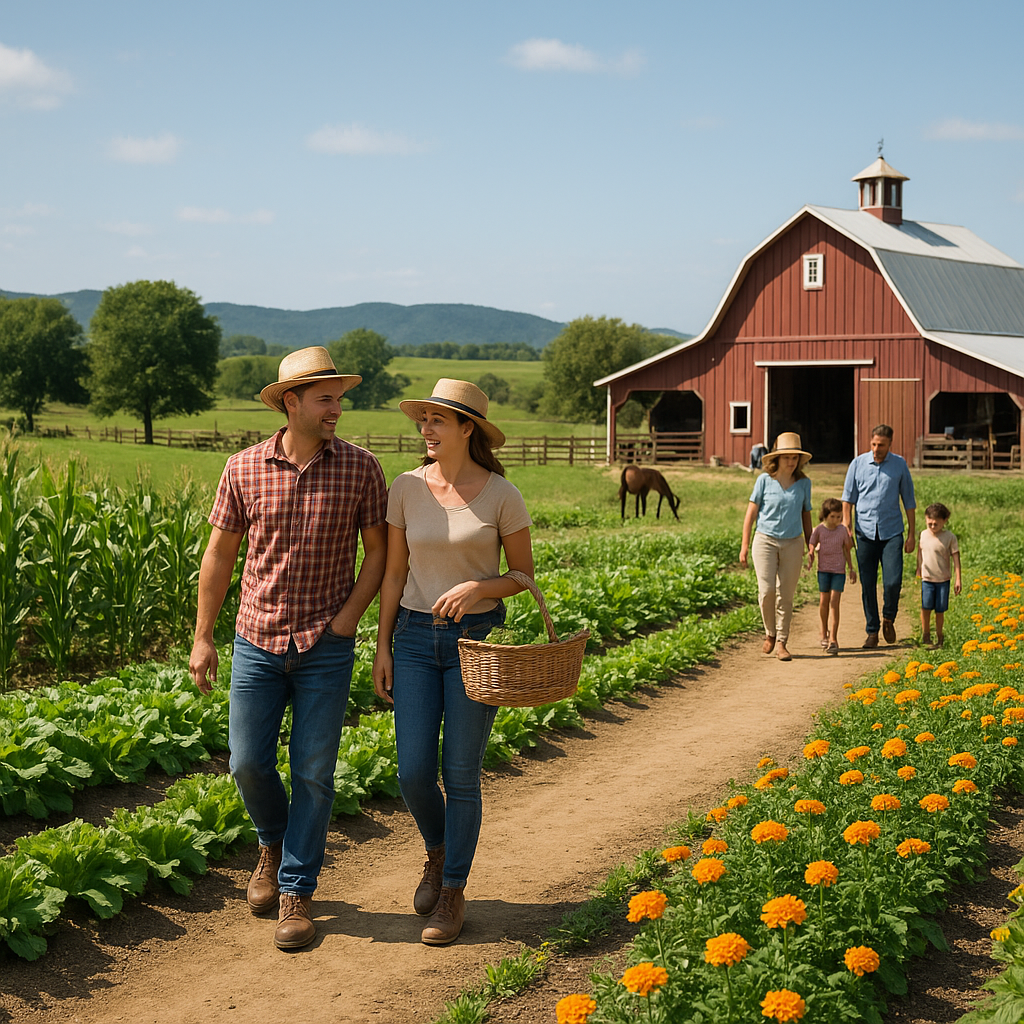
Agritourism represents a dynamic way to enhance farm income through direct interaction between visitors and rural life. It goes beyond traditional farming by welcoming guests to participate in activities such as picking fruits, feeding animals, or touring production facilities. Grasping the essentials lays the groundwork for long-term success.
- Agritourism Definition: Combine agriculture with tourism to offer on-farm experiences, educational programs, or recreational events.
- Key Benefits:
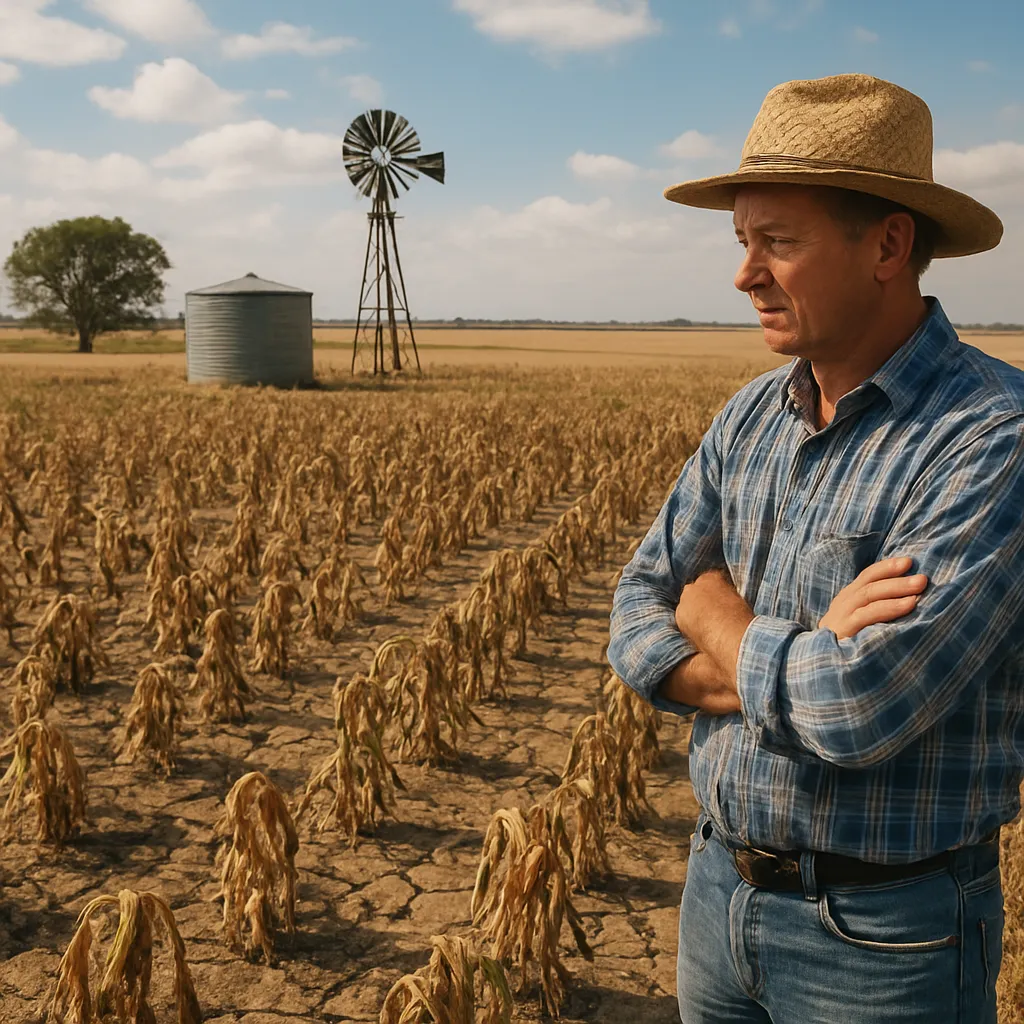
- Diversification of farm revenue streams protects against crop failures and market fluctuations.
- Promotion of sustainability practices by educating visitors on eco-friendly farming techniques.
- Strengthening of local community bonds through farm-to-table events and cooperative ventures.
- Regulatory Considerations:
- Understanding zoning laws and liability insurance requirements.
- Food safety compliance for on-site consumption or value-added product sales.
- Permits and licensing for events, lodging, or farm stores.
Assessing Your Farm’s Unique Appeal
To position your agritourism business effectively, evaluate the distinctive features of your property. Whether it’s a heritage crop variety, authentic farm machinery, or rare livestock breeds, these assets become the cornerstone of your marketing message. Conduct a SWOT analysis (Strengths, Weaknesses, Opportunities, Threats) to identify how your farm can stand out in a competitive market.
Developing a Strategic Business Plan
A robust business plan serves as a roadmap, guiding you through every stage of your agritourism venture. From initial concept to ongoing management, this document ensures you stay focused on your objectives and can secure financing if needed.
- Market Research:
- Analyze local demand for farm stays, workshops, or seasonal events.
- Identify competitors and study their offerings, pricing, and guest feedback.
- Survey potential customers to gauge interest in specialized experiences.
- Value Proposition:
- Craft an authentic experience that leverages your farm’s story and heritage.
- Highlight unique selling points such as organic certification or rare crop demonstrations.
- Operational Framework:
- Map out necessary infrastructure investments, from lodging facilities to visitor restrooms.
- Plan out daily schedules for tours, workshops, and guest services.
- Establish health and safety protocols for both staff and visitors.
- Financial Projections:
- Detail start-up costs, including equipment, renovations, and promotional materials.
- Estimate revenue from admissions, retail sales, and special events.
- Define break-even points and ROI targets to monitor profitability.
- Marketing Strategies:
- Develop a branded website optimized for mobile devices and search engines.
- Leverage social media platforms to showcase farm life through photos and videos.
- Partner with local tourism boards or travel bloggers to expand reach.
Designing Engaging Farm Activities
Successful agritourism hinges on memorable, hands-on experiences. Consider offering seasonal workshops on cheese-making or beekeeping, guided tractor rides, or interactive farm-to-table dinners. By continuously innovating your activity lineup, you foster repeat visits and encourage word-of-mouth referrals.
Implementing Operations and Ensuring Growth
Once your plan is in place, day-to-day execution becomes paramount. Focus on operational efficiency, exceptional guest service, and strategic expansion to maintain momentum.
- Staffing and Training:
- Hire personnel with both agricultural knowledge and hospitality skills.
- Provide cross-training so employees can assist with farm tasks, tours, and retail.
- Foster a customer-centric culture to elevate the customer experience.
- Guest Services:
- Implement easy online booking and payment systems.
- Offer tailored add-ons, such as picnic baskets or guided nature walks.
- Collect feedback through surveys to guide continuous improvement.
- Partnerships and Networking:
- Collaborate with local artisans to sell handcrafted goods in your farm store.
- Team up with restaurants for farm-to-fork tasting events.
- Join regional agritourism associations to share best practices and resources.
- Digital Presence:
- Maintain active social media profiles showcasing daily farm operations.
- Start a blog or newsletter highlighting seasonal produce, recipes, and guest stories.
- Leverage email marketing to announce special events and off-season promotions.
- Scaling and Innovation:
- Reinvest profits into expanding facilities or adding new attractions.
- Explore niche markets, such as wellness retreats or educational field trips.
- Stay agile—adapt to emerging trends and customer preferences to build resilience.
Measuring Success and Adapting
Track key performance indicators, including visitor numbers, average spend per guest, and customer satisfaction scores. Use these metrics to refine your offerings, optimize pricing, and identify opportunities for further growth. Embrace a culture of continuous learning—attending workshops, reading industry publications, and networking with fellow agritourism operators to stay ahead of the curve.