Biodynamic farming represents a comprehensive approach to cultivation that emphasizes the living connections between crops, animals, soil, and the wider cosmic environment. By integrating natural cycles and specialized preparations, this method seeks to enhance soil fertility and plant health beyond conventional organic practices. Its roots trace back to early twentieth-century research, yet its concepts remain highly relevant for modern growers who aim to foster greater regeneration and resilience in their fields. Drawing on ecological principles and ancient wisdom, biodynamics aspires to support a truly holistic form of agriculture that nurtures both land and community.
Principles of Biodynamic Farming
Cosmic Rhythms and Plant Growth
One of the defining features of biodynamic cultivation is its attention to celestial influences. Practitioners observe the cycles of the sun, moon, and planets to determine optimal times for sowing, pruning, and harvesting. This lunar calendar approach reflects the belief that gravitational and electromagnetic forces have tangible effects on water movement, seed germination, and sap flow. By aligning agricultural tasks with planetary positions, growers aim to harness subtle energies that support robust root and shoot development.
Living Soil and Nutrient Dynamics
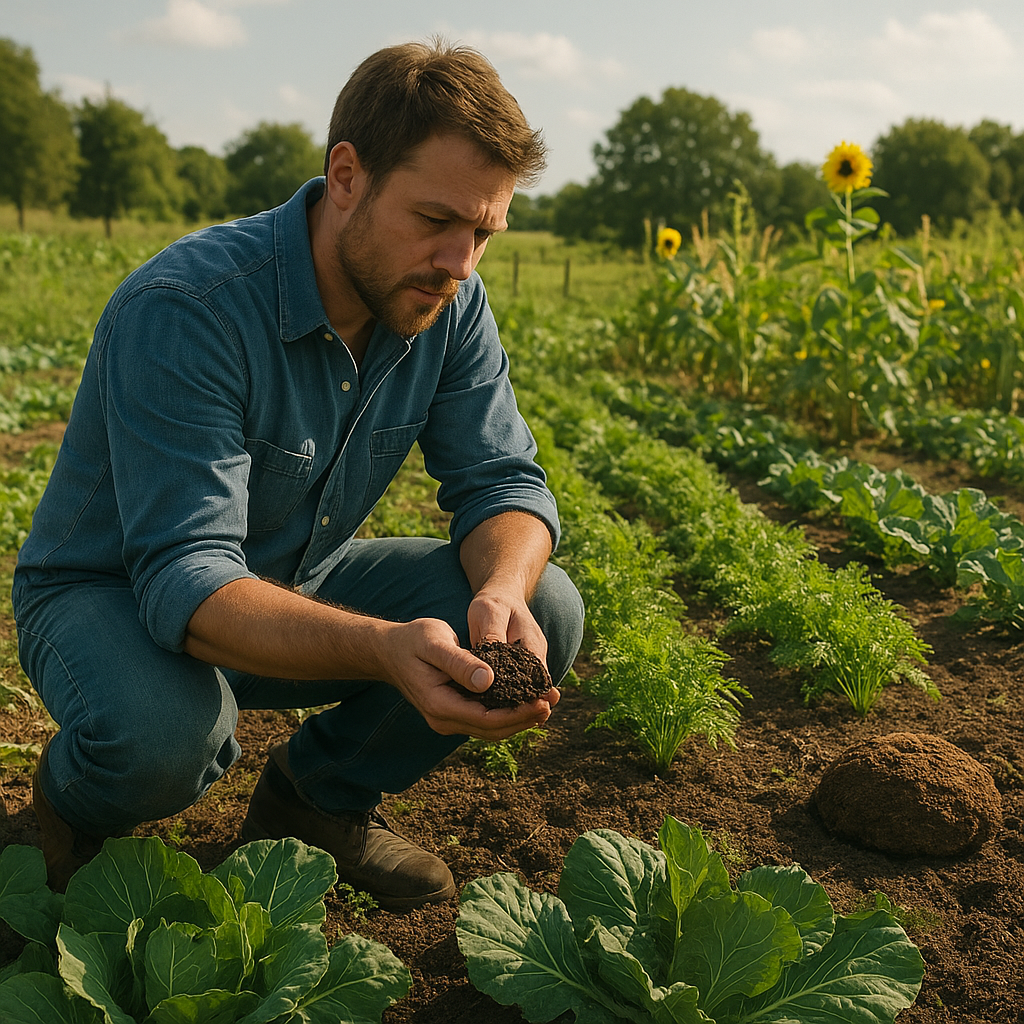
At the heart of biodynamics lies the conviction that healthy soil functions as a living organism. Rather than relying solely on synthetic fertilizers, biodynamic farmers cultivate a rich network of microorganisms and soil fauna. These tiny workers decompose organic matter, cycle nutrients, and structure soil aggregates. Through carefully timed aeration and the integration of cover crops, they maintain a balanced habitat for beneficial bacteria, fungi, and earthworms. This dynamic environment enhances water retention and nutrient availability, ultimately contributing to more vigorous plant growth.
Preparations and Field Practices
Biodynamic Preparations
Central to this method are a series of specialized compost and field preparations, numbered 500 through 508. Each formulation involves herbal, mineral, or animal-derived components aimed at stimulating biological activity and fortifying the farm’s ecosystem. For example:
- Preparation 500 (Horn Manure): Cow manure packed into a horn and buried over winter to create a potent soil amendment.
- Preparation 501 (Horn Silica): Finely ground quartz in a horn, exposed to summer sun, then sprayed to boost photosynthesis.
- Preparations 502–508: Various herbal teas—yarrow, chamomile, nettle, oak bark, dandelion, valerian, and horsetail—used to enhance composting and support plant immunity.
When added in minute quantities to compost or field sprays, these preparations are believed to guide microbial processes and improve the distribution of nutrients.
Crop Rotation, Diversity, and Livestock Integration
Biodynamic farms often employ diverse crop rotations that include cereals, legumes, vegetables, and forage plants. This diversity interrupts pest cycles, rejuvenates soil structure, and fosters symbiotic relationships among species. Livestock plays a crucial role as well—manure from cows, sheep, or poultry provides organic matter for compost, while animals graze cover crops and redistribute nutrients. Such integration reflects the view that a self-contained farm organism thrives best when all components—plants, animals, and soil—function in concert.
Benefits and Challenges of Biodynamic Systems
Environmental and Agronomic Advantages
By prioritizing compost quality, biodiversity, and celestial timing, biodynamic farming can produce crops with enhanced flavor, nutritional density, and storage life. The emphasis on continuous organic matter inputs and minimal external dependencies supports long-term regeneration of degraded lands. Studies have shown that biodynamic fields often exhibit greater soil organic carbon, improved water infiltration, and increased pest resistance compared to conventional counterparts. Farmers also report higher levels of vitality in their plants, as well as a strengthened connection to natural rhythms.
Market Demand and Certification
Interest in biodynamic produce is growing among consumers who seek products grounded in ecological ethics and traceable origins. Certification bodies such as Demeter International verify adherence to rigorous standards, assuring buyers of a farm’s commitment to biodynamic principles. While certification can open premium market channels, it also requires meticulous record-keeping and annual inspections. This added layer of oversight ensures transparency but may pose a logistical challenge for small-scale growers.
Practical Considerations and Learning Curve
Adoption of biodynamic methods involves a significant shift in mindset and practice. Farmers must learn to observe weather patterns, track lunar phases, and prepare herbal mixtures. Initial investments in composting infrastructure and training can be substantial. Additionally, bio-dynamists must navigate variable results as they fine-tune preparation protocols to local soil types and climate. Collaborating with experienced mentors, attending workshops, and participating in regional study groups can accelerate the learning curve and foster shared problem-solving.
Balancing Tradition and Innovation
While biodynamic farming draws on early twentieth-century research, contemporary practitioners also explore integrations with modern agroecological tools—such as precision irrigation, biological pest control, and sensor technologies. The challenge lies in honoring the tradition’s spiritual and holistic elements while adapting techniques to twenty-first-century conditions. Farms that successfully merge time-tested preparations with data-driven practices often achieve both ecological resilience and economic viability.