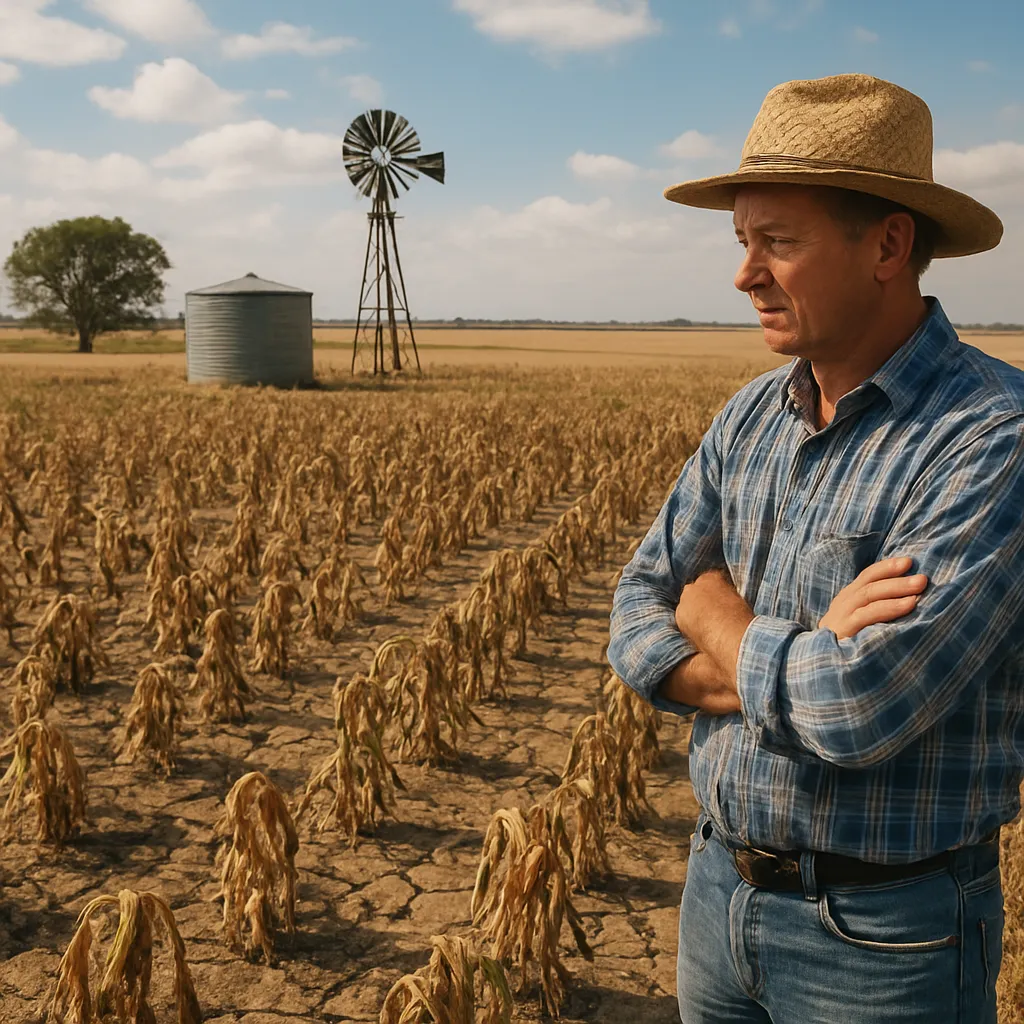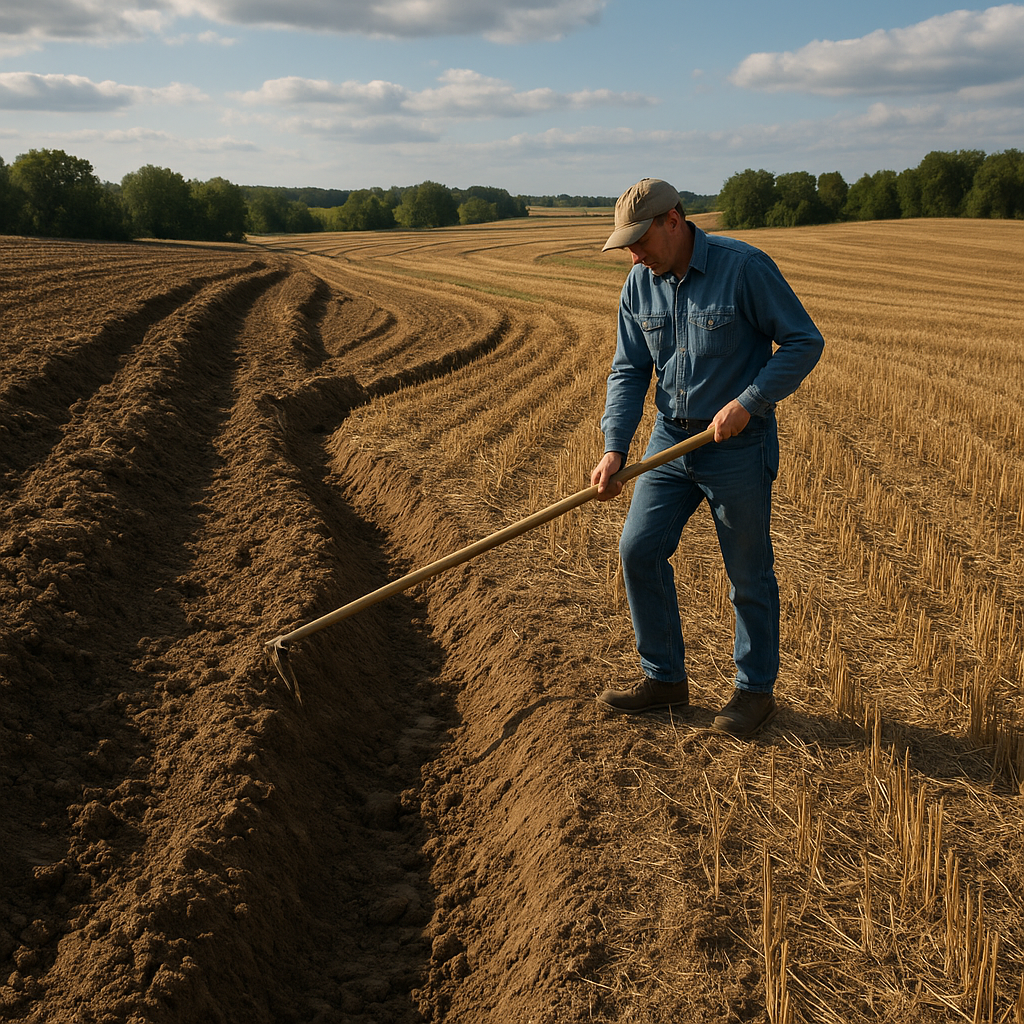
Effective management of soil erosion is essential for maintaining productivity on farmland. Erosion not only depletes valuable topsoil but also leads to sedimentation in waterways, reduced water quality, and long-term land degradation. By understanding the causes, implementing targeted prevention techniques, and adopting sound management strategies, farmers can protect their fields and support resilient agricultural systems.
Understanding the Causes of Erosion
Identifying the factors driving soil loss is the first step in designing an effective erosion control plan. Natural forces, such as rainfall and wind, work together with agricultural practices to remove the fertile top layer of soil.
Water-Driven Processes
- Water runoff: Heavy rainfall on exposed or compacted soil creates surface runoff that carries away fine soil particles.
- Sheet erosion: Thin layers of soil are removed uniformly, often unnoticed until significant soil loss has occurred.
- Rill and gully formation: Concentrated water flow cuts small channels (rills) and, over time, larger gullies that further accelerate erosion.
Wind Erosion
- Dry, loose soil in arid or semi-arid regions can be blown away, especially when fields lack protective vegetative cover.
- Wind tunnels created by uneven terrain or gaps in shelterbelts intensify soil particle transport.
Human-Induced Factors
- Excessive tillage disturbs soil structure, reducing aggregation and making soil more vulnerable.
- Monoculture systems without rotational practices leave soil bare for extended periods.
- Overgrazing depletes plant cover, compacts the ground, and disturbs the protective surface layer.
Effective Prevention Techniques
Implementing a variety of physical, biological, and management measures can significantly reduce erosion rates and preserve soil health.
Contour Plowing and Terracing
- Contour plowing: Aligning furrows perpendicular to slope direction slows water flow and encourages infiltration.
- Terracing: Constructing stepped fields on steep hillsides transforms slopes into a series of flat platforms, reducing runoff velocity.
Cover Crops and Crop Rotation
- Cover crops: Planting species like legumes, rye, or clover during fallow periods provides a living mulch, stabilizes soil, and adds organic matter.
- Crop rotation: Alternating crops with different root structures and growth habits reduces pest pressure, improves soil structure, and maintains continuous cover.
Windbreaks and Shelterbelts
- Rows of trees or shrubs planted along field edges deflect wind, reducing the speed at ground level and protecting soil from deflation.
- Species selection should consider local climate, root depth, and canopy density to maximize effectiveness.
Mulching and Surface Amendments
- Applying organic mulches (straw, wood chips) or synthetic ground covers reduces raindrop impact, slows runoff, and conserves moisture.
- Amending soil with compost or biochar improves aggregation and increases resistance to erosion forces.
Strategies for Implementation and Monitoring
Translating erosion control measures into long-term success requires planning, monitoring, and adaptation. A proactive approach ensures resilience under changing weather patterns and cropping demands.
Assessment and Planning
- Conduct a baseline soil survey to map vulnerable areas, slope gradients, and existing vegetation cover.
- Utilize aerial imagery or drone technology to monitor erosion hotspots and plan interventions.
Phased Implementation
- Prioritize high-risk fields first, targeting slopes with active gully formation or severe topsoil loss.
- Introduce simple measures (mulching, minimal tillage) before investing in large-scale earthworks like terraces.
Adaptive Management
- Regularly inspect fields after major rainfall events to evaluate the performance of control measures.
- Adjust practices based on observations, incorporating novel techniques such as precision agriculture sensors or automated rain gauges.
Education and Collaboration
- Engage with local extension services, agronomists, and neighboring farmers to exchange knowledge and resources on erosion control.
- Participate in soil conservation programs or cost-share initiatives to access technical assistance and funding.
Building a Sustainable Future
Combining physical structures, biological interventions, and well-designed cropping plans establishes a holistic approach to erosion management. Practices such as reduced tillage, careful land leveling, and maintenance of perennial vegetation contribute to long-term soil resilience. By embedding these techniques into routine farm operations, producers can safeguard their land, improve yields, and foster an sustainable agricultural legacy.