The integration of cutting-edge technology into agriculture has transformed traditional practices into a highly efficient and data-driven industry. By harnessing the power of AI and advanced analytics, farmers can make informed decisions, maximize yields, conserve resources, and respond proactively to challenges posed by climate change, pest infestations, and market volatility. The following sections explore the key areas where artificial intelligence is reshaping the landscape of modern farming.
Technological Integration in Farming
From Manual Labor to Automation
The shift from labor-intensive operations to automation represents one of the most significant advancements in agriculture. Tractors equipped with GPS navigation and AI-driven control systems can operate with minimal human intervention, reducing cultivation time and fuel consumption. Robotic harvesters use computer vision to identify ripe produce, ensuring that fruits and vegetables are picked at peak ripeness while minimizing damage.
Role of Sensors and IoT Devices
Sensors placed throughout fields collect real-time data on soil moisture, nutrient levels, temperature, and humidity. This data analysis enables farmers to tailor irrigation schedules and fertilizer applications to the specific needs of each plot, avoiding overuse of water and chemicals. Internet of Things (IoT) networks link these sensors to a central platform, where AI algorithms process the continuous data streams and generate actionable insights.
- Soil moisture probes for precise irrigation control
- Nutrient sensors to optimize fertilizer use
- Weather stations providing localized forecasts
- Livestock trackers monitoring animal health and behavior
Enhancing Efficiency with Precision Agriculture
Variable Rate Technology (VRT)
Precision agriculture relies on predictive models to apply inputs at variable rates across a field. VRT-enabled equipment adjusts seeding density, fertilizer distribution, and pesticide deployment in real time, based on GPS-guided maps and AI recommendations. This targeted approach conserves resources, lowers costs, and improves crop uniformity.
Unmanned Aerial Vehicles and Remote Sensing
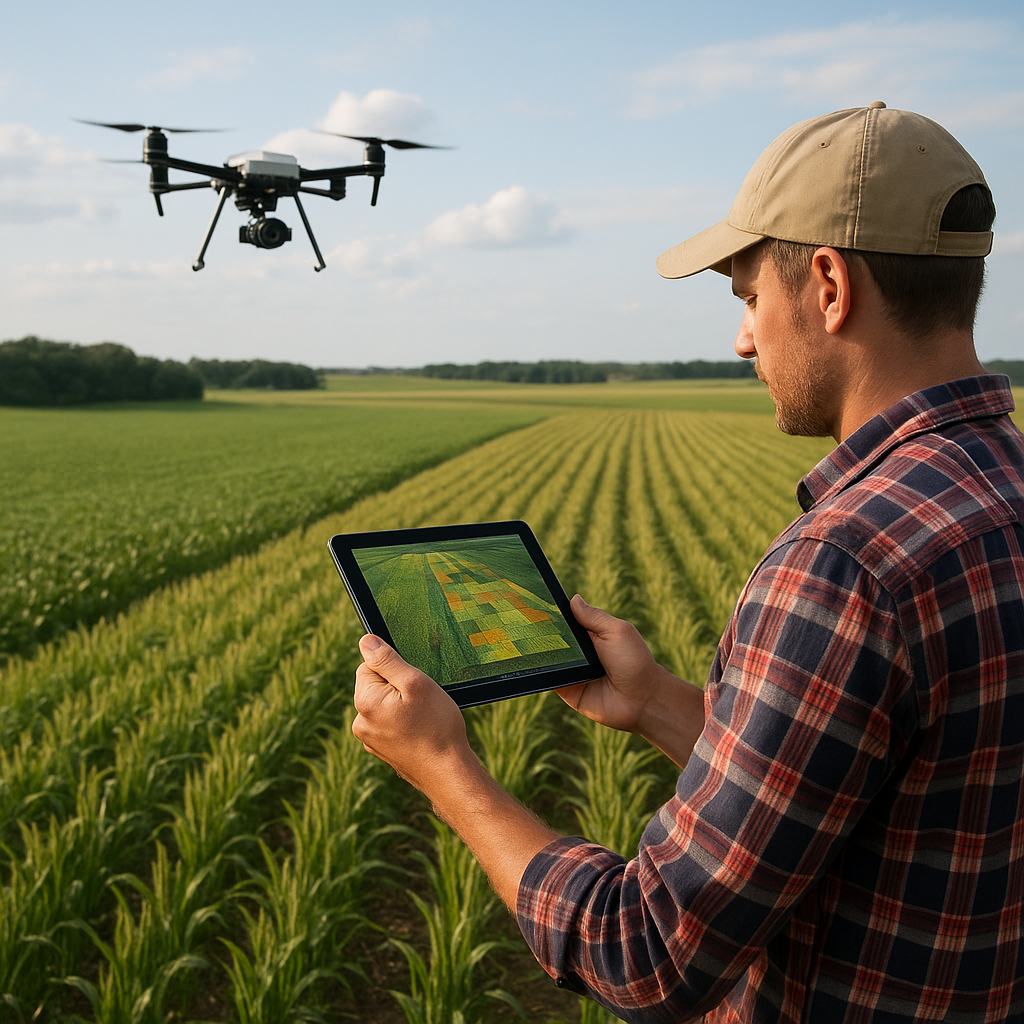
Drones equipped with multispectral cameras perform aerial surveys to detect crop stress, disease outbreaks, and irrigation deficiencies. AI-driven image processing algorithms analyze these high-resolution images, identifying signs of nutrient deficiency or pest damage before they become visible to the naked eye. Farmers can then focus treatment on affected zones, rather than applying blanket treatments across the entire field.
AI for Crop Protection and Yield Optimization
Early Pest and Disease Detection
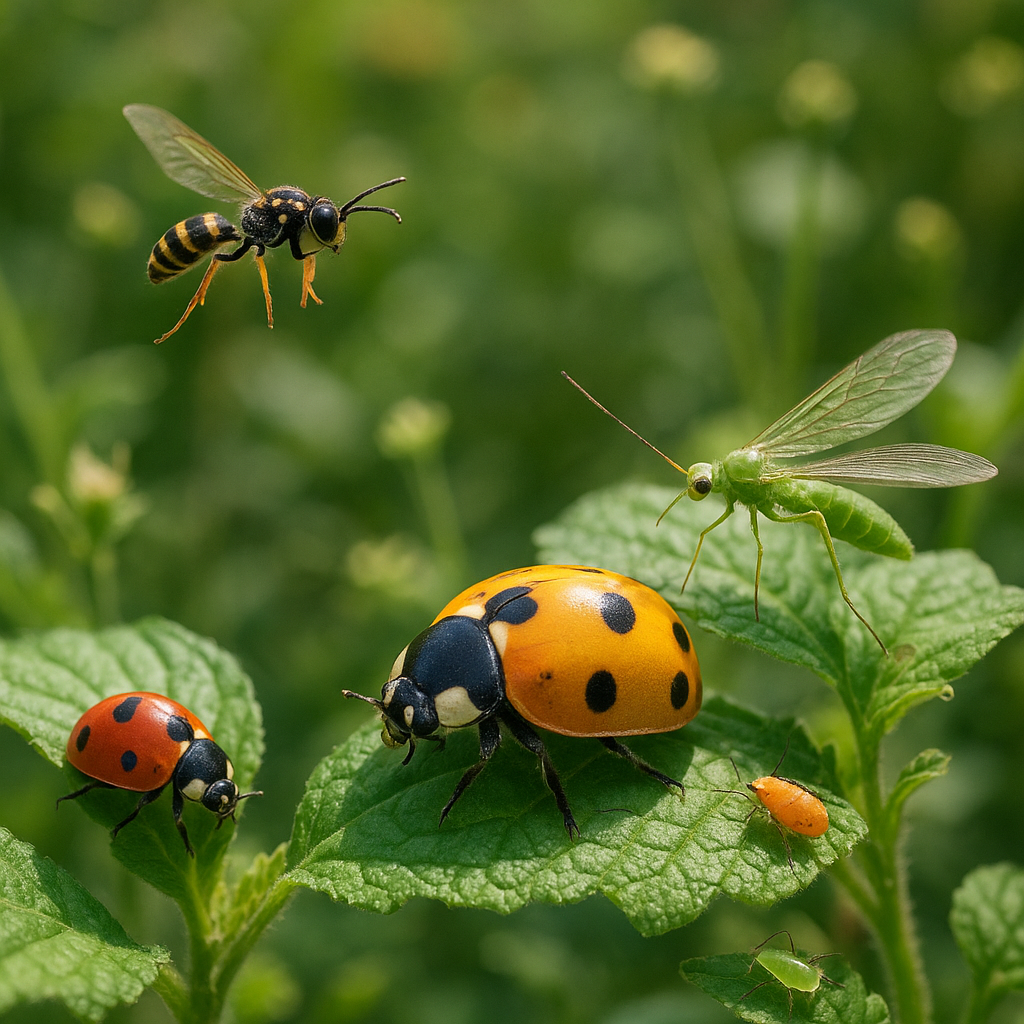
Timely identification of pests and pathogens is crucial for minimizing crop losses. Machine learning models trained on large datasets of leaf images can distinguish between healthy foliage and early symptoms of infections such as blight, powdery mildew, or aphid infestations. When combined with sensor data and environmental parameters, these models deliver high-accuracy alerts, enabling prompt intervention.
Smart Spraying Systems
Conventional pesticide application often leads to overuse, environmental contamination, and resistance development. AI-powered sprayers use real-time object detection to target individual weeds or insects, spraying only where needed. This precision reduces chemical usage by up to 80%, lowering operational costs and promoting sustainability.
Data-Driven Decision Making and Sustainability
Integration of Big Data and Cloud Platforms
Farming operations generate massive volumes of data from sensors, machinery, drones, and satellite imagery. Cloud-based platforms store and process this information using sophisticated machine learning algorithms. Farmers and agronomists access dashboards that display predictive analytics—such as yield forecasts or disease risk maps—empowering them to plan planting schedules, manage supply chains, and optimize market strategies.
Environmental Impact and Resource Conservation
Sustainable farming practices are critical for preserving ecosystems and ensuring long-term productivity. AI-driven models estimate the environmental footprint of various interventions, recommending measures that balance profitability with conservation. Precision water management systems can reduce consumption by 30–50%, while optimized nutrient management minimizes runoff and soil degradation.
- Carbon sequestration monitoring through AI-based sensors
- Reduced greenhouse gas emissions via efficient machinery routing
- Enhanced biodiversity by mapping habitat corridors
- Lifecycle assessments for sustainable product labeling
Future Perspectives on AI in Agriculture
Advances in Robotics and Autonomous Vehicles
Next-generation agricultural robots will combine advanced robotics with AI to perform complex tasks such as fruit picking, pruning, and selective thinning. Autonomous vehicles, including self-driving tractors and harvesters, will collaborate seamlessly in the field, coordinating operations to maintain continuous workflows and minimize downtime.
Integration with Genomic and Biotechnological Research
In the coming years, AI will play a pivotal role in breeding programs, analyzing genomic data to identify traits associated with drought tolerance, pest resistance, and nutrient efficiency. By speeding up the selection of superior cultivars, AI-driven platforms will help develop crops that thrive in challenging environments and meet the demands of a growing global population.
Challenges and Ethical Considerations
Despite its benefits, the widespread adoption of AI in farming raises questions about data privacy, algorithmic bias, and the digital divide. Ensuring equitable access to AI tools for smallholder farmers is essential to prevent disparities. Additionally, transparent governance frameworks must guide the ethical use of agricultural data and maintain trust among stakeholders.