Embarking on a journey to create a thriving flower farm involves careful consideration of land, climate, and market demands. Cultivating blooms is an art that blends agronomy, creativity, and business savvy. Whether you dream of supplying local florists or hosting pick-your-own fields, mastering essential practices will ensure a vibrant, profitable operation.
Planning Your Flower Farm
Assessing Land and Site Selection
Selecting the right plot is the foundation of success. Evaluate factors such as sunlight exposure, drainage, and soil type. Most cut flowers thrive in areas with at least six hours of direct sun daily. Conduct a thorough soil test to determine nutrient levels and pH. A well-drained site prevents root rot and fungal issues.
Understanding Climate and Seasonality
Your regional climate dictates which varieties will flourish. Research frost dates, average temperatures, and rainfall patterns. In cooler regions, focus on spring bulbs and hardy perennials; in warmer zones, experiment with tropical blooms and late-season perennials. Succession planting helps maintain continuous harvests throughout varying seasons.
Creating a Business Plan
A detailed plan outlines your mission, goals, and financial projections. Include startup costs such as equipment, seeds, and greenhouse materials. Estimate potential revenue from direct retail sales, subscriptions, or wholesale markets. Incorporate strategies to enhance profitability, like adding value through dried flower arrangements or floral workshops.
Essential Practices for Cultivation
Soil Preparation and Amendments
Healthy blooms begin with fertile ground. Incorporate organic matter like compost or well-rotted manure to improve structure and nutrient retention. Balance pH levels according to your soil test results, usually aiming for a slightly acidic to neutral range (6.0–7.0). Regularly monitor micronutrients to prevent deficiencies.
Irrigation and Water Management
Consistent moisture is critical for vibrant petals. Install drip lines or soaker hoses to deliver water directly to the root zone, reducing evaporation and minimizing foliar diseases. Adjust schedules based on rainfall, soil moisture readings, and plant growth stages. Efficient irrigation enhances root development and bloom size.
Propagation Techniques
- Seed Starting: Use trays or flats in a climate-controlled greenhouse. Maintain steady heat and humidity to encourage uniform germination.
- Cuttings: Propagate select varieties via stem or leaf cuttings. Apply rooting hormone to boost success rates.
- Division: Split overcrowded perennials in early spring or fall. This practice rejuvenates plants and expands your stock.
Pest and Disease Management
Implement integrated pest management (IPM) strategies. Encourage beneficial insects such as ladybugs and lacewings by planting insectary strips of alyssum or clover. Scout fields regularly for aphids, thrips, and fungal spots. When necessary, apply targeted organic treatments like neem oil or Bacillus thuringiensis. Prioritize crop rotation and proper sanitation to limit pathogen buildup.
Enhancing Pollination and Biodiversity
Attracting Pollinators
A vibrant ecosystem supports robust yields. Install bee hives or plant pollinator-friendly species such as lavender, borage, and sunflowers. Pollinators not only improve seed set but can boost overall plant health through soil interactions.
Encouraging Beneficial Wildlife
Birds and predatory insects serve as natural pest controllers. Create habitats with native shrubs or small brush piles. A balanced ecosystem reduces reliance on chemical interventions and promotes sustainability.
Marketing and Business Management
Developing Your Brand
Differentiate your farm with a memorable name, logo, and story. Highlight your commitment to organic practices or rare heirloom varieties. Engage customers by sharing behind-the-scenes glimpses through social media or a dedicated blog. Consistent branding builds trust and recognition.
Sales Channels and Distribution
- Farmers’ Markets: Direct interaction with customers fosters feedback and loyalty.
- Wholesale Partnerships: Collaborate with florists, restaurants, and event planners for bulk orders.
- Community Supported Agriculture (CSA): Offer seasonal subscriptions with weekly bouquets.
- Online Storefronts: Enable pre-orders and local delivery services.
Pricing Strategies
Calculate costs per stem, factoring in labor, overhead, and packaging. Research local market rates and adjust for specialty varieties. Consider bundling seasonal assortments for higher perceived value. Transparent pricing and flexible options attract diverse customer segments.
Sustainability and Growth
Implementing Eco-Friendly Practices
Reduce waste by composting spent blooms and foliage. Collect rainwater to supplement irrigation needs. Switch to biodegradable packaging materials for bouquets. Eco-conscious consumers appreciate farms with a minimal environmental footprint.
Diversification and Crop Rotation
Plant complementary crops, such as herbs or specialty vegetables, to optimize space and appeal to broader markets. Rotate planting beds annually to decrease pest pressure and maintain soil vitality. Strategic diversification ensures resilience against market fluctuations and environmental challenges.
Continuous Learning and Community Engagement
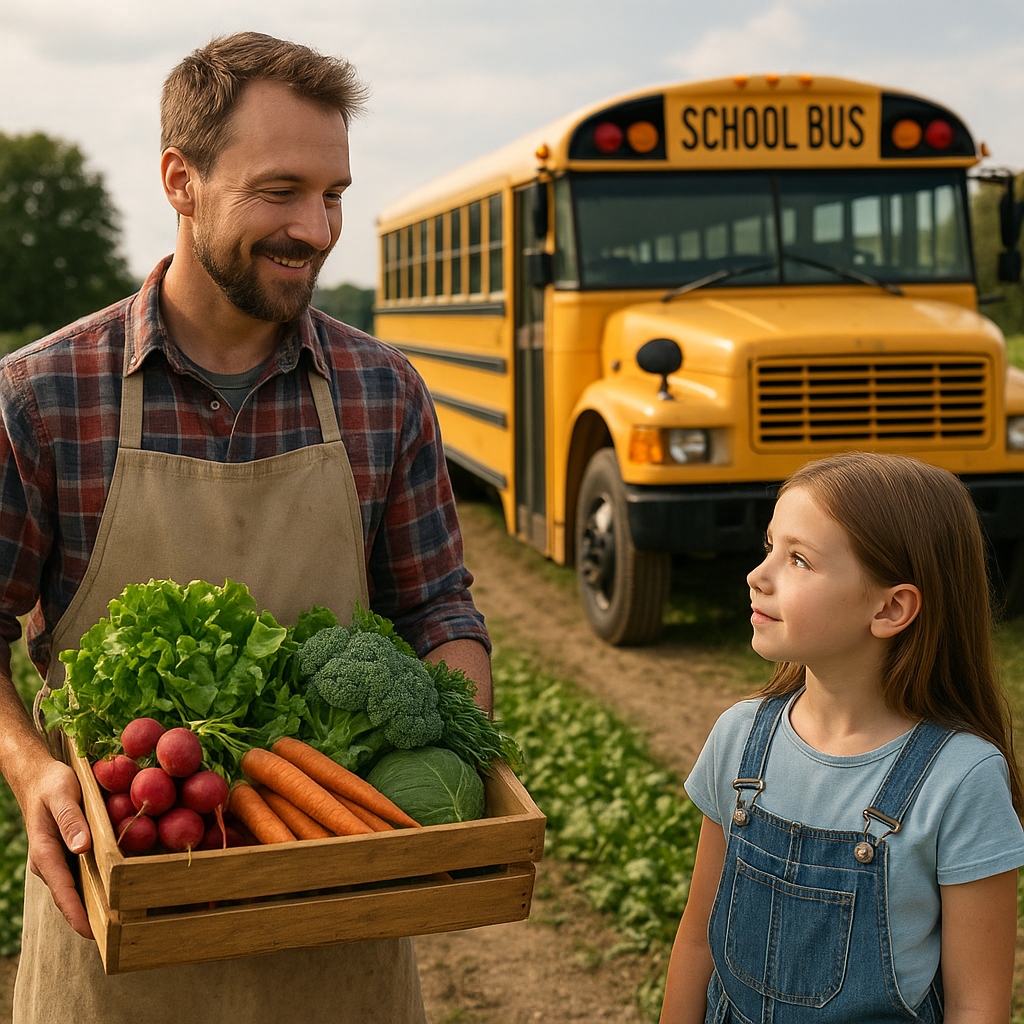
Attend workshops, conferences, and local farming networks to stay updated on innovations. Share knowledge through farm tours or volunteer programs. Building community connections fosters support and opens avenues for collaboration.
Scaling Up Operations
Once your foundation is solid, explore expansion options. Lease additional acreage, invest in larger greenhouse structures, or establish a dedicated drying facility. Track performance metrics—yield per square foot, sales per market channel, and customer satisfaction—to guide informed growth decisions.
Financial Management and Legal Considerations
Budgeting and Record Keeping
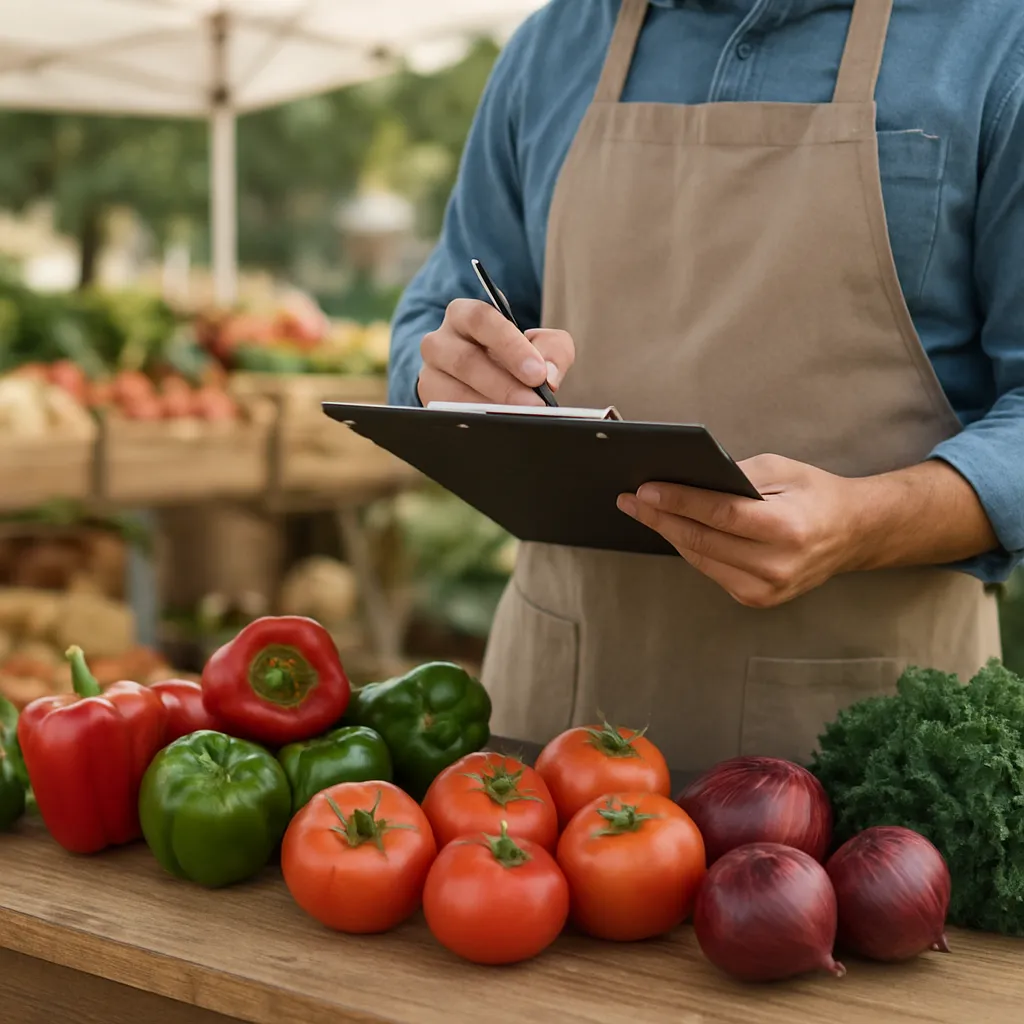
Maintain detailed records of expenses, labor hours, and output volumes. Utilize farm management software or spreadsheets to monitor cash flow and profit margins. Regularly review financial statements to identify cost-saving opportunities and optimize resource allocation.
Permits, Regulations, and Insurance
Comply with local zoning ordinances, pesticide application rules, and food safety standards if you sell edible flowers. Secure appropriate liability insurance to protect against accidents on farm grounds. Understanding regulatory requirements prevents costly fines and operational disruptions.
Accessing Grants and Funding
Investigate government or nonprofit grants aimed at agricultural startups, conservation efforts, or rural development. Many programs offer low-interest loans or tax incentives for sustainable farming practices. A well-crafted grant proposal can finance equipment upgrades or educational initiatives.
Maximizing Post-Harvest Quality
Harvesting Techniques
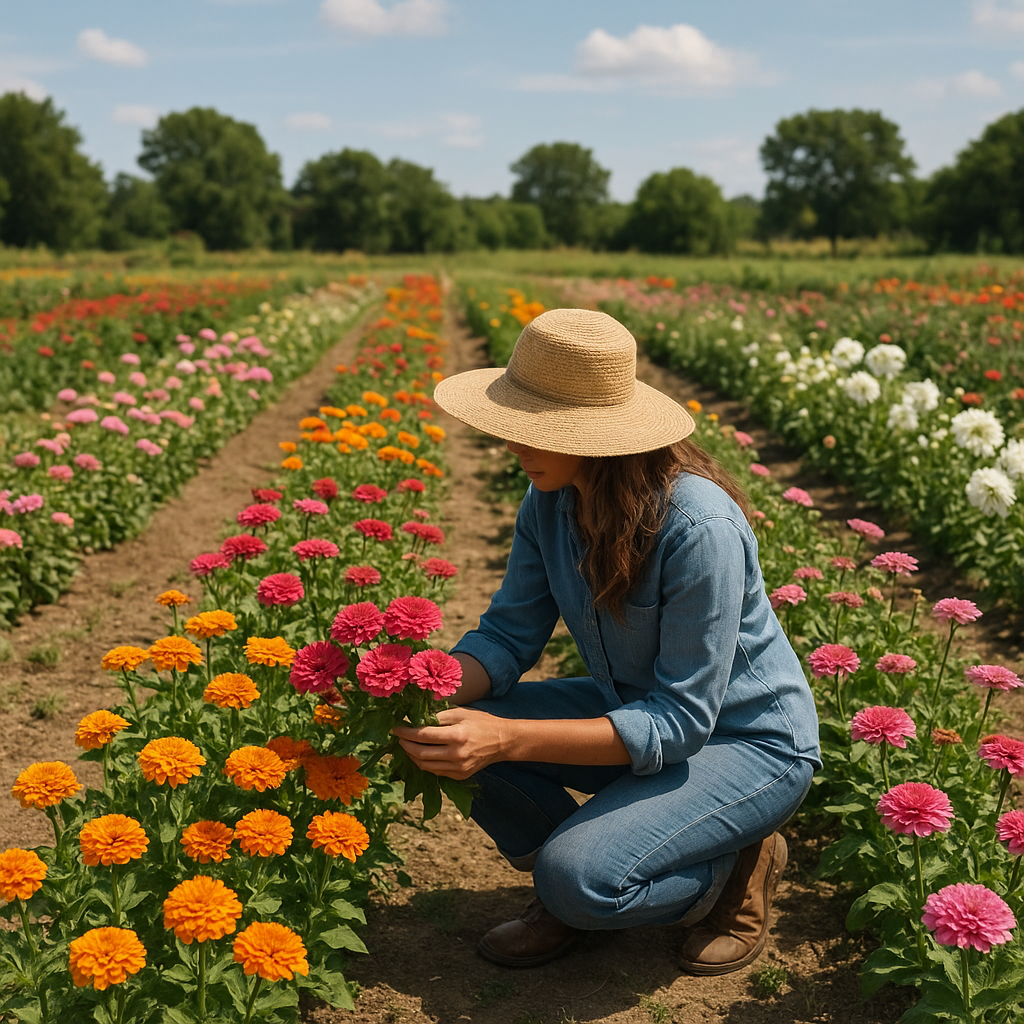
Harvest in the cool hours of early morning or late evening to preserve turgor and extend vase life. Use clean, sharp shears and make angled cuts to improve water uptake. Immediately place stems in clean, cool water with a floral preservative solution.
Storage and Handling
Sort blooms by variety and condition. Maintain storage temperatures between 34°F and 38°F for most cut flowers. Avoid ethylene-producing fruits in storage areas to prevent premature wilting. Proper handling safeguards flower integrity until they reach customers.
Value-Added Products
Transform excess blooms into dried bouquets, potpourri, or essential oils. Offer workshops on flower pressing or wreath making. These creative ventures enhance marketing appeal and diversify revenue streams.