The Benefits of Drip Irrigation Systems
Introduction to Drip Irrigation
Drip irrigation has emerged as a game-changing technique in modern agriculture. By delivering water directly to the root zone, this system maximizes water efficiency and minimizes wastage. Farmers across diverse climates have adopted this method to boost crop yield while conserving vital resources. In this article, we explore the core elements of drip irrigation, its environmental and economic advantages, challenges in implementation, and future prospects for sustainable farming.
How Drip Irrigation Works
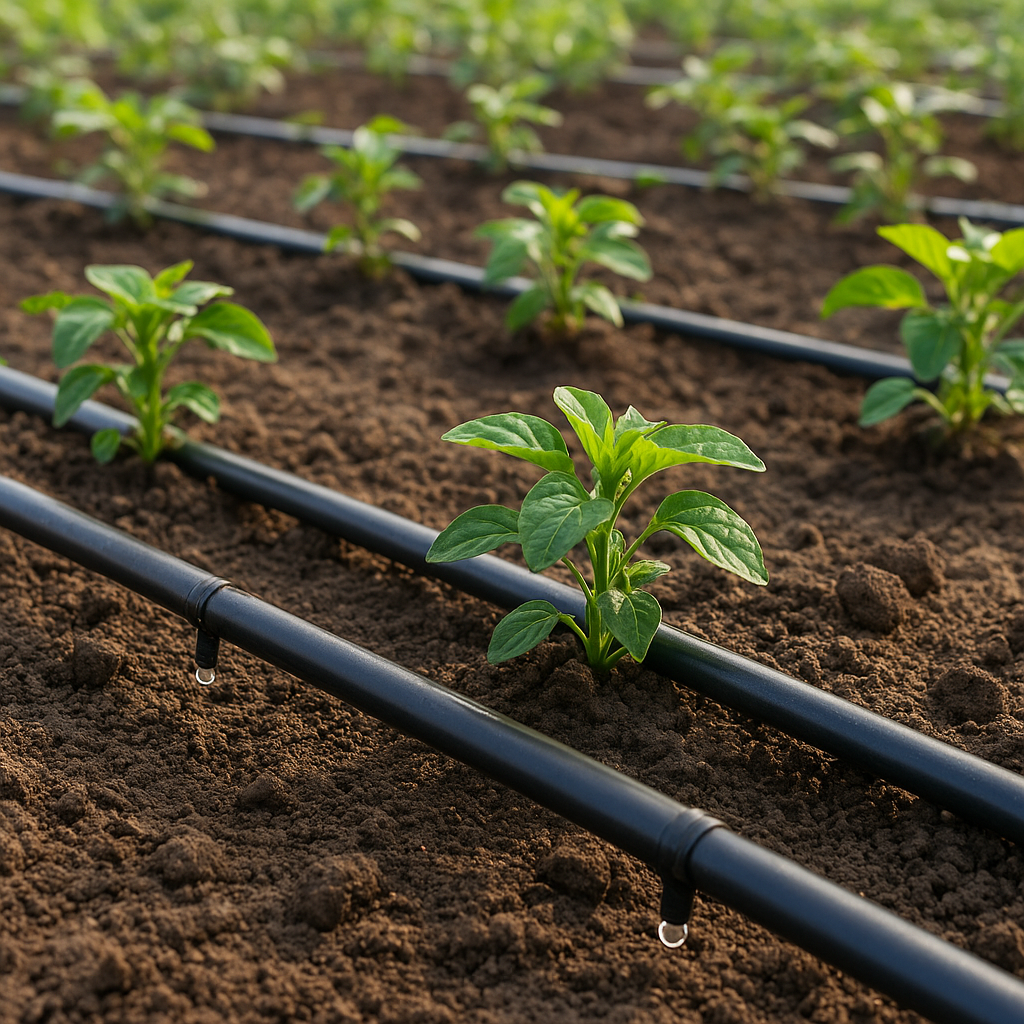
Drip irrigation relies on a network of tubing, emitters, valves, and filters to distribute small amounts of water at a controlled rate. Each component plays a vital role in ensuring uniform application:
- Filters prevent clogging by removing debris from the water source.
- Pressure regulators maintain consistent flow regardless of fluctuations in input pressure.
- Emitters release water drop by drop at precise intervals.
- Drip lines transport water along rows of plants to the root zone.
- Controllers automate the schedule, adjusting for seasonal needs.
By combining these elements, growers achieve precision irrigation that matches the specific demands of each crop. The result is targeted hydration and optimized root development without overwatering.
Environmental Advantages
Drip irrigation promotes sustainability in agriculture by significantly reducing water usage, curbing soil erosion, and lowering greenhouse gas emissions associated with water pumping. Key environmental benefits include:
- Reduction of surface runoff and nutrient leaching into waterways.
- Minimized evaporation losses compared to sprinkler or flood systems.
- Enhanced soil structure by maintaining ideal soil moisture levels.
- Lower energy consumption thanks to reduced pumping requirements.
These factors collectively support healthier ecosystems and contribute to long-term resource conservation, making drip irrigation an integral tool for farmers striving to meet strict environmental regulations.
Economic Benefits for Farmers
Investing in a drip irrigation system can yield substantial returns. Although initial setup costs may be higher than traditional methods, long-term savings and increased productivity offset these expenses. Major economic advantages include:
- Up to 50% reduction in water bills due to minimal waste.
- Improved crop quality and uniformity leading to higher market prices.
- Extended growing seasons by maintaining consistent moisture during dry spells.
- Lower fertilizer costs through nutrient injection directly into the system (fertigation).
These savings, combined with enhanced yield and product quality, ensure a faster payback period. Farmers often experience break-even within two to three seasons, after which profits rise sharply.
Key Design and Installation Considerations
Successful implementation depends on careful planning and attention to detail. Growers need to assess soil type, crop variety, water quality, and topography before choosing a system layout. Important steps include:
- Conducting a soil permeability test to determine ideal emitter spacing.
- Analyzing water for mineral deposits that could cause clogging.
- Mapping field gradients to ensure uniform distribution.
- Selecting appropriate drip lines (inline or on-surface) based on crop height and row spacing.
- Installing valves, filters, and pressure regulators in a central control unit.
Proper design not only improves system performance but also simplifies future maintenance and expansion.
System Configuration Options
- Basin Drip: Ideal for orchard crops, delivering water to basins around each tree.
- Belt Drip: Used for high-density plantation crops, with wide belts covering entire rows.
- Point-Source Drip: Employs individual emitters at fixed distances, suited to vegetables and vines.
Maintenance and Monitoring
Regular upkeep is crucial to sustain high performance. A routine maintenance schedule should include:
- Flushing lines at the start and end of each season to remove sediment.
- Inspecting and replacing worn or damaged emitters to maintain precision in water delivery.
- Testing filter elements and backwashing when necessary.
- Monitoring system pressure and flow rates to detect leaks or blockages promptly.
- Using monitoring tools and sensors to track soil moisture and adjust irrigation cycles automatically.
Proactive maintenance prevents yield losses and extends system lifespan, ensuring reliable performance year after year.
Challenges and Solutions
While drip irrigation offers numerous benefits, farmers may face obstacles during adoption. Common challenges include:
- High initial investment and complexity of design.
- Clogging due to poor water quality or inadequate filtration.
- Potential damage from rodents, farm machinery, or UV exposure.
- Uneven distribution if emitters become misaligned or buried.
Addressing these issues involves:
- Securing subsidies or low-interest loans to offset startup costs.
- Implementing multi-stage filtration and regular chemical treatments for water conditioning.
- Utilizing protective sleeves, buried lines, and rodent guards.
- Conducting frequent field inspections and emitter realignment.
Future Perspectives
Advances in sensor technology, data analytics, and automation are set to revolutionize drip irrigation further. Integration with IoT platforms will allow real-time adjustment of irrigation schedules based on weather forecasts and plant water stress indicators. Emerging trends include:
- Automated fertigation systems that optimize nutrient delivery and boost growth rates.
- Wireless soil moisture sensors linked to cloud-based dashboards for remote management.
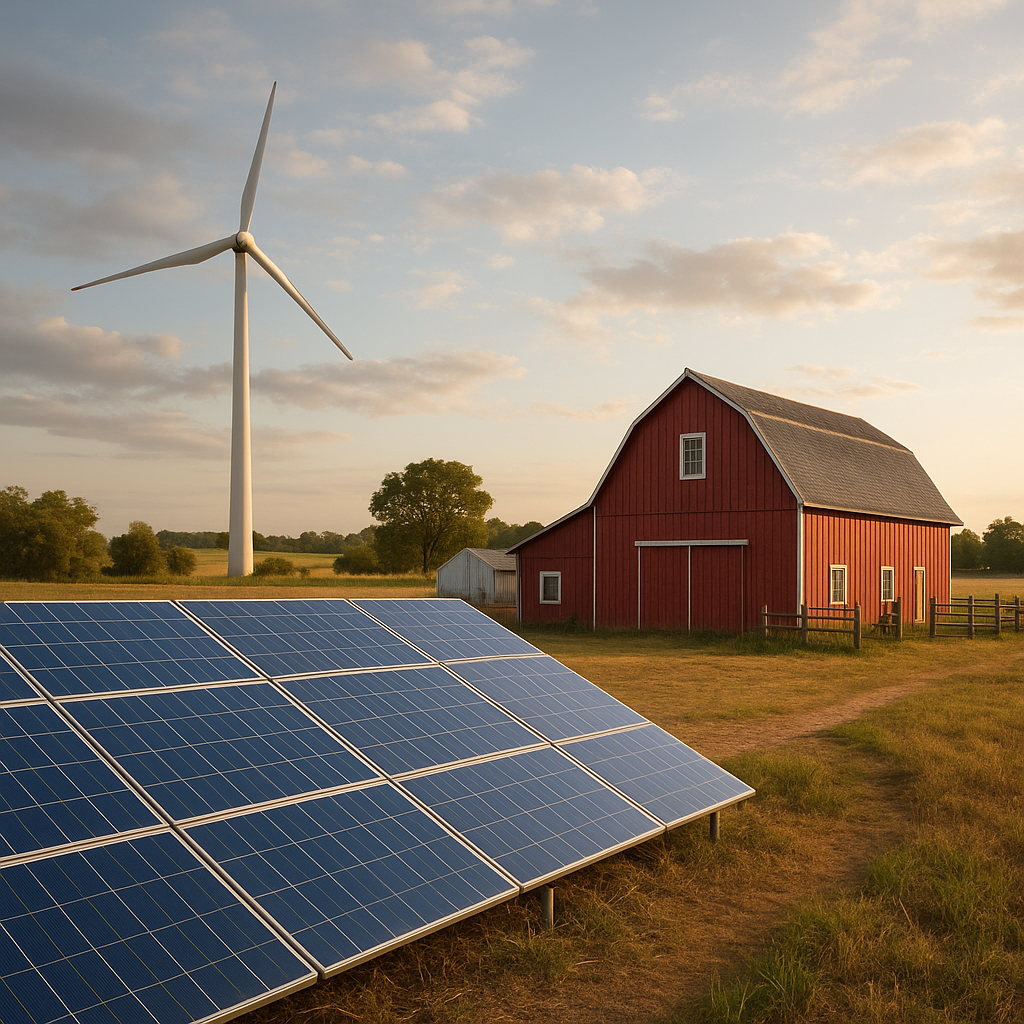
- Solar-powered pumps reducing reliance on grid electricity and enhancing system conservation.
- Machine-learning algorithms that predict crop water requirements and optimize resource allocation.
These innovations promise to elevate the efficiency and impact of drip irrigation, paving the way toward a more sustainable and productive agricultural future.