Farmers and gardeners are turning to nature’s own solutions to protect their crops, leveraging beneficial insects for effective pest control. By encouraging a diverse array of arthropods, growers can reduce reliance on chemical pesticides, enhance sustainability, and support a healthier ecosystem. This approach not only safeguards yields but also promotes long-term biodiversity and soil fertility.
Understanding Beneficial Insects
Before implementing any strategy, it’s essential to recognize which creatures can help you manage pests. Beneficials fall into three main categories:
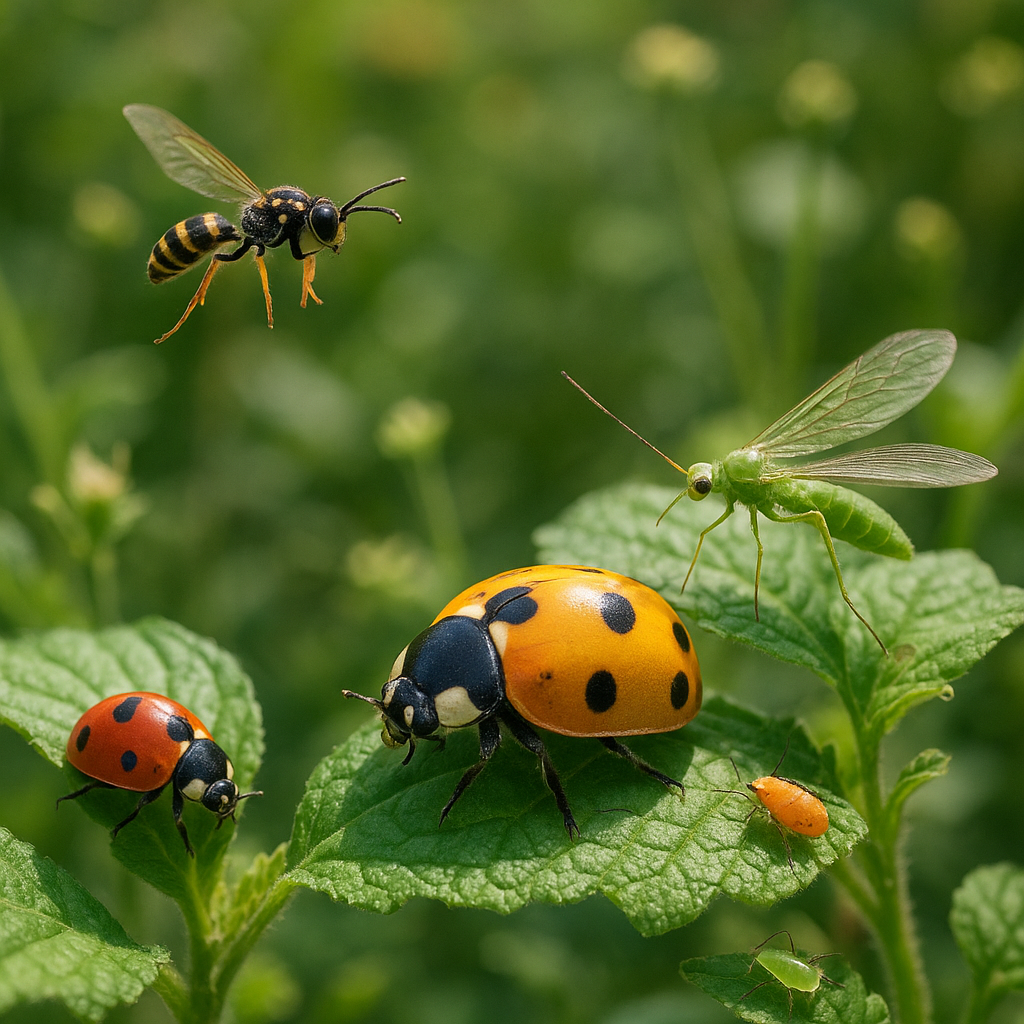
- Predators: These voracious feeders hunt and consume multiple prey items each day. Lady beetles, lacewings, and ground beetles are classic examples.
- Parasitoids: Often wasps or flies, these insects lay eggs inside or on a host pest. The developing larvae eventually kill the host, keeping pest populations in check.
- Pollinators: While not directly targeting pests, bees, hoverflies, and certain beetles facilitate crop reproduction, ensuring robust plant growth and resilience.
Understanding life cycles, habitat needs, and dietary preferences of these groups is crucial. For example, lacewing larvae require pest-infested foliage, while ground beetles thrive under mulch and stones. Matching habitat provisions to each species will encourage establishment.
Implementing Biological Control Strategies
Successful use of beneficial insects hinges on creating favorable conditions and integrating them into an integrated pest management (IPM) program. Key steps include:
Habitat Enhancement
- Plant diverse flowering strips and cover crops to provide nectar, pollen, and shelter.
- Use hedgerows or beetle banks to establish refuges for overwintering.
- Limit broad-spectrum pesticide applications that could harm non-target biological control agents.
Augmentation and Inoculation
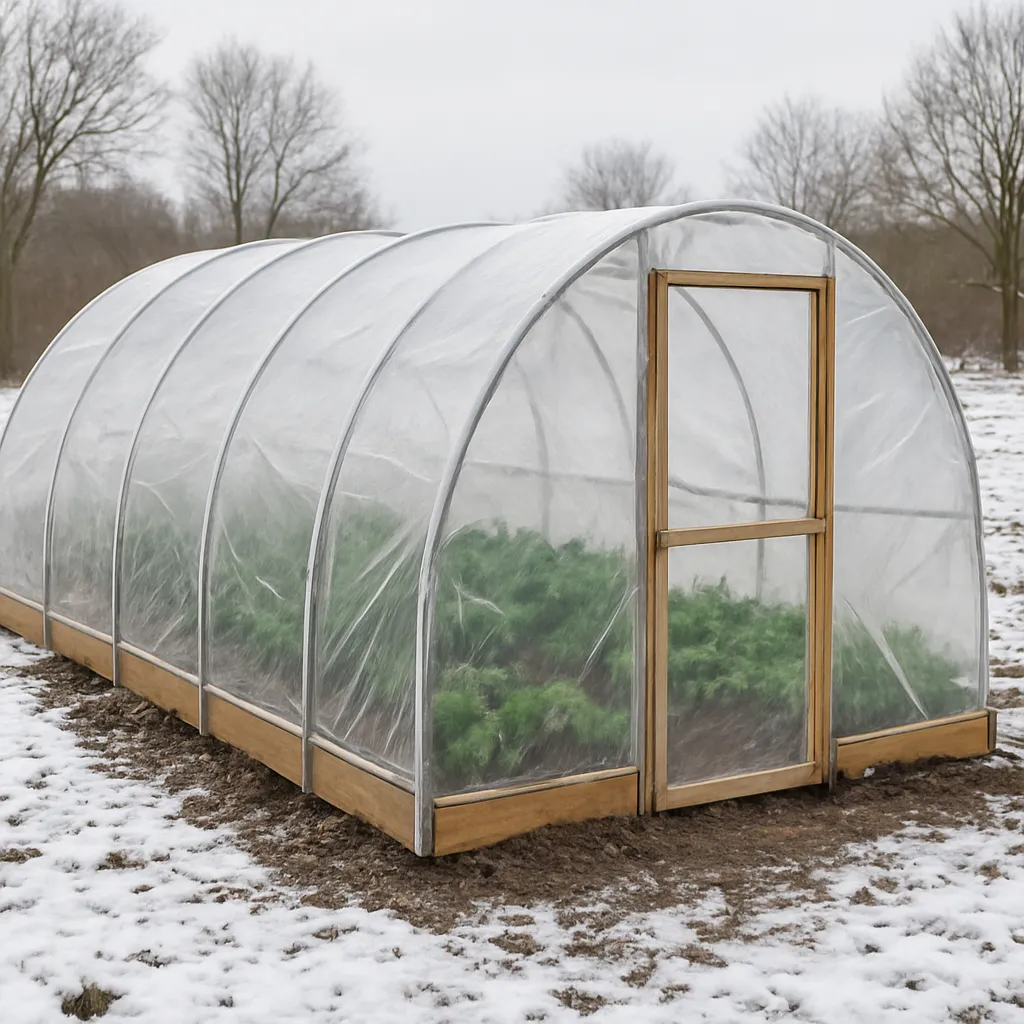
When natural populations are low or pests emerge too quickly, consider purchasing and releasing commercial stocks of predators or parasitoids. For instance, releasing aphid-eating lady beetles in greenhouses can curb early-season invasions. Timing and release rates should align with pest densities and environmental conditions.
Conservation Tactics
- Rotate crops to disrupt pest life cycles without disturbing beneficial niches.
- Maintain minimal tillage areas to preserve soil-dwelling species.
- Implement trap cropping, planting sacrificial rows to lure pests away from main plantings where predators can concentrate.
These conservation practices build long-term populations of natural enemies and reduce the need for repeated interventions.
Monitoring and Maintaining an Ecological Balance
Regular scouting and monitoring allow for timely decisions. Establish thresholds for action: if aphid colonies exceed a set number per leaf, release more lacewings or hoverflies. Sticky traps and visual inspections help track both pests and beneficials.
Record Keeping
Keeping detailed logs of pest pressure, weather conditions, and biological control releases enables continuous improvement. Over time, patterns will emerge, guiding when and where to bolster populations of predatory wasps or other agents.
Adaptive Management
- Adjust plant density, irrigation, and fertilization to promote vigorous crops that tolerate low-level pest presence.
- Introduce mixed planting schemes, intercropping species that support predator lifecycles.
- Respond swiftly to imbalances: if natural enemies decline, investigate potential causes such as pesticide drift or habitat loss.
By treating the farm as a dynamic ecosystem, growers can sustain healthy populations of helpful insects, reducing chemical inputs and fostering resilience against future outbreaks.
Case Studies and Practical Tips
Numerous examples illustrate success. Organic apple orchards in temperate regions often use predatory mites to control spider mites beneath tree canopies. Vegetable growers incorporate buckwheat flower strips to boost tachinid fly numbers, which parasitize caterpillar pests. In rice paddies, releasing water beetles can suppress planthopper nymphs.
- Ensure flowering plants bloom sequentially throughout the season to provide continuous support for adult predators and pollinators.
- Use fine mesh netting selectively to exclude large flying pests while allowing smaller beneficials to pass through.
- Coordinate with neighboring farms to create regional corridors of habitat, amplifying the impact of biological control across landscapes.
Challenges and Future Directions
While promising, biocontrol faces hurdles: mass rearing of certain beneficials can be costly, and climatic factors may limit establishment. However, ongoing research into native predator conservation, genetic improvements, and habitat engineering holds great promise. Collaboration between extension services, research institutions, and farmers will drive innovation.
Embracing these techniques delivers long-term economic and environmental benefits. By harnessing the power of predators and parasitoids, enhancing biodiversity, and practicing thoughtful crop management, growers secure their yields and protect the land for future generations.