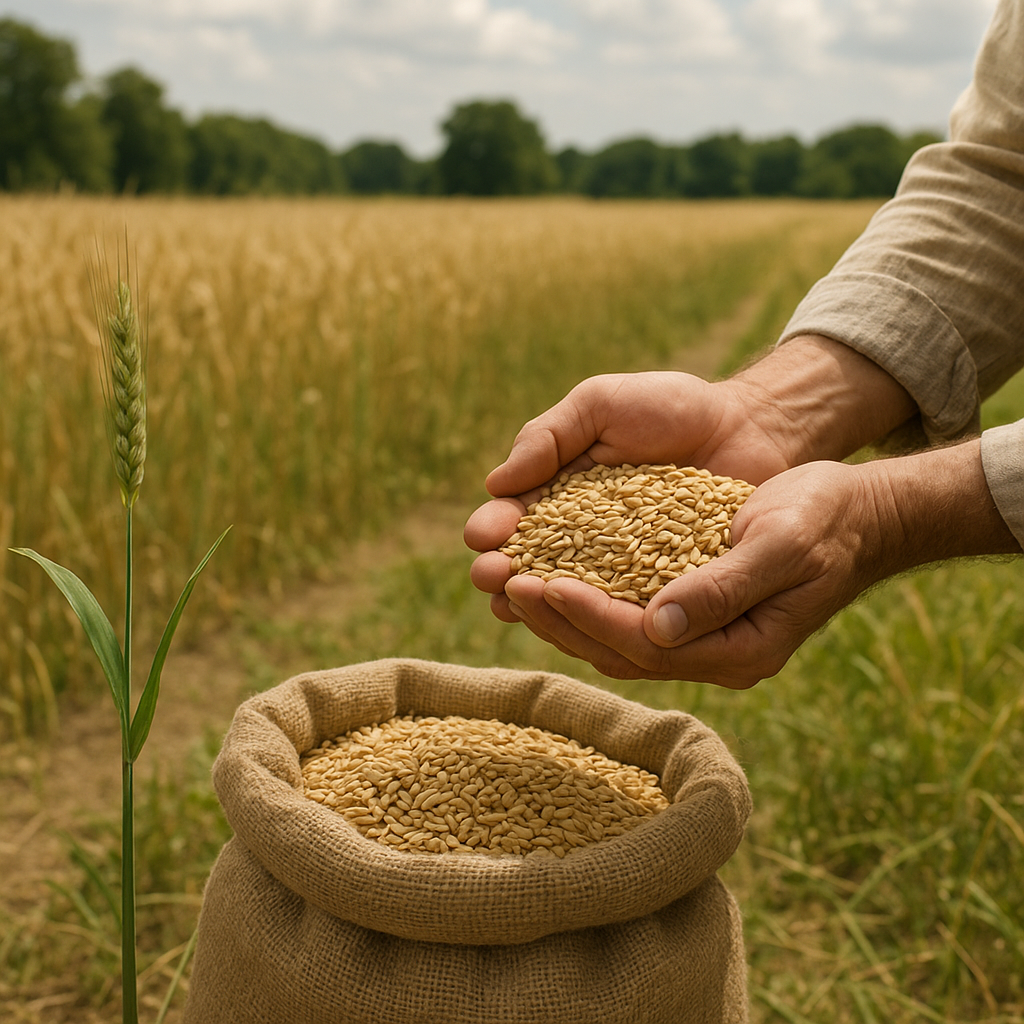
Growing organic grains can be a rewarding endeavor for any farmer looking to embrace sustainable methods and produce high-quality crops. This guide explores key principles and practical steps to cultivate grains without synthetic inputs, improve farm resilience, and contribute to healthier ecosystems.
Understanding Organic Grain Variety Selection
Choosing the right grain variety is the first step toward a successful organic operation. Different cultivars have distinct adaptation profiles, yield potentials, and resistance levels. Here are some considerations:
- Climate tolerance: Select varieties suited to your regional temperature and rainfall patterns.
- Disease resistance: Opt for strains bred to withstand common local pathogens.
- Market demand: Identify crops with strong consumer interest and fair pricing.
Before planting, ensure seeds are certified organic or sourced from a reputable supplier. This prevents contamination from prohibited treatments and aligns with regulatory standards.
Research local extension services or farmer networks for performance data. Trial small plots of multiple varieties to evaluate their response to your farm’s unique conditions.
Preparing and Maintaining Healthy Soil
Soil is the foundation of any agricultural system. Emphasizing its vitality leads to resilient crops and reduced need for external inputs. Key practices include:
- Soil testing: Analyze pH, organic matter, and macro- and micro-nutrients.
- Organic amendments: Incorporate well-aged manure, green manure, or compost to boost organic content.
- pH adjustment: Apply lime or elemental sulfur to reach optimal levels for grain crops (usually between 6.0 and 7.0).
Maintaining soil structure requires minimizing mechanical disturbance. No-till or reduced-till methods help retain pore spaces, conserve moisture, and promote microbial activity. Over time, this improves fertility and reduces erosion risks.
Implementing Crop Rotation and Cover Crops
Diversifying plant species across seasons breaks pest cycles, enhances nutrient cycling, and improves overall biodiversity. Effective rotation plans blend grains with legumes and broadleaf crops.
- Alternate cereals with legumes such as clover or vetch to harness biological nitrogen fixation.
- Integrate deep-rooted species to bring subsoil minerals to the surface.
- Use cover crops during fallow periods to protect soil from erosion and suppress weeds.
Benefits of Cover Crops
- Organic matter build-up: Decaying roots and biomass feed soil organisms.
- Weed smothering: Fast-growing species outcompete unwanted plants.
- Moisture retention: Ground cover limits evaporation and runoff.
Strategically plan your rotation sequence to maximize nutrient availability and interrupt disease cycles. A typical four-year rotation might include wheat, soybeans, oats with clover, and corn.
Pest and Weed Management Without Synthetic Chemicals
Organic systems rely on preventive and cultural controls rather than broad-spectrum pesticides. A robust integrated pest management (IPM) framework involves:
- Field scouting: Regularly inspect crops for early signs of pests or disease.
- Biological agents: Introduce beneficial insects or microbial treatments to target specific threats.
- Physical barriers: Use row covers, traps, or mulches to disrupt pest access.
Weed control combines mechanical cultivation, timely hand-weeding, and competitive crop stands. Dense planting and healthy seedbeds reduce space for weeds to establish. Employ flame weeders or mechanical tools in fallow strips for additional suppression.
Water Management and Irrigation Strategies
Efficient water use is vital for organic grain success, especially in semi-arid regions. Tailor irrigation methods to crop stage and soil type:
- Drip or micro-sprinkler systems minimize evaporation and deliver moisture directly to the root zone.
- Scheduling: Base irrigation timing on soil moisture probes and weather forecasts.
- Mulching: Apply organic materials to retain soil moisture and moderate temperature fluctuations.
Over-irrigation can lead to nutrient leaching and root diseases. Monitor soil moisture regularly and adjust schedules to avoid both deficits and surpluses.
Harvesting and Post-Harvest Techniques
Proper timing and handling during harvest ensure grain quality and minimize losses. Consider these guidelines:
- Harvest timing: Aim for grain moisture below 20% to reduce drying costs and spoilage.
- Equipment calibration: Adjust combine settings to minimize kernel damage and field losses.
- Drying protocols: Employ aeration bins or low-temperature dryers to bring moisture down to safe storage levels (around 12-14%).
After drying, clear debris and conduct a final quality check before storage. Store grains in sealed, clean containers to protect against insects and rodents. Rotate stock and inspect periodically to maintain condition.
Economic and Environmental Benefits of Organic Grain Production
Beyond premium market prices, organic grain farming delivers multiple advantages:
- Enhanced soil resilience and long-term productivity.
- Reduced reliance on non-renewable inputs.
- Increased on-farm sustainability and positive public perception.
Embracing these methods contributes to environmental benefits such as improved water quality, carbon sequestration, and habitat conservation. With careful planning and dedication, organic grains can be both profitable and regenerative.