Tapping into niche markets can dramatically increase farm revenue and resilience. Growing high-value specialty crops requires a blend of strategic planning, resource management, and keen market insight. This guide explores key practices to transform a conventional plot into a thriving enterprise of gourmet vegetables, exotic fruits, and bespoke herbs.
Getting Started with High-Value Crops
Embarking on a specialty crop venture begins with thorough market analysis. Identify local restaurants, farmers’ markets, and community-supported agriculture (CSA) programs that demand unique produce. Evaluate consumer trends for heirloom tomatoes, microgreens, or culinary herbs. Once demand is clear, focus on crop selection that matches your climate, soil type, and personal expertise.
- Assess regional climate: temperature, rainfall patterns, frost dates.
- Match crops to existing infrastructure: greenhouses, heated tunnels, or open fields.
- Small-scale trials: plant test plots to gauge yield, taste, and disease resistance.
- Estimate startup costs: seeds or seedlings, specialized equipment, labor.
Document your findings in a production journal. Tracking germination rates, growth speed, and pest resistance early informs decisions on whether a crop justifies its high-value price tag.
Optimizing Soil Health and Nutrient Management
Healthy soil underpins every successful crop. Prioritize soil health through a combination of biological and mechanical practices. Begin with a comprehensive soil test to determine pH, nutrient levels, and organic matter content. Correct imbalances using natural amendments rather than synthetic chemicals wherever possible.
- Incorporate cover crops like clover or rye during the off-season to improve structure and add nitrogen.
- Apply well-aged compost to boost microbial activity and water retention.
- Rotate crop families annually to disrupt pest cycles and reduce nutrient depletion.
- Use targeted foliar feeding or side-dressing to address deficiencies during peak growth.
Consider advanced techniques such as vermicomposting or biochar integration. These methods can elevate nutrient density in specialty crops, enhancing flavor profiles and nutritional value.
Efficient Irrigation and Pest Management
Controlled water delivery not only conserves resources but also enhances profitability by reducing waste and preventing diseases associated with overwatering. Implement drip or micro-sprinkler systems to deliver consistent moisture directly to the root zone.
- Install soil moisture sensors for real-time monitoring and automated watering schedules.
- Mulch densely around plants to minimize evaporation and suppress weeds.
- Group crops by water needs (hydro zoning) to avoid over- or under-irrigation.
Pest pressures can devastate high-value plantings. Embrace an integrated approach combining cultural, mechanical, and biological controls under the umbrella of pest management.
- Introduce beneficial insects like ladybugs or predatory mites to control aphids and whiteflies.
- Employ sticky traps and pheromone lures to monitor invasive species early.
- Use row covers or netting to physically exclude birds and larger pests.
- Rotate insecticidal soaps or botanical extracts to minimize resistance buildup.
Advanced Greenhouse and Season Extension Techniques
Extending the growing season allows premium pricing during off-peak months. A well-designed greenhouse offers protection from frost, wind, and extreme heat. Enhance climate control with automated vents, shading screens, and heating mats for seedbeds.
- Invest in LED grow lights to supplement natural sunlight during shorter days.
- Experiment with hydroponic or aquaponic systems to maximize space efficiency and nutrient control.
- Apply grafting techniques for grafted tomatoes and cucumbers to boost yields and disease resistance.
Season extension not only secures early spring and late fall markets but also diversifies revenue streams by allowing continuous supply of exotic greens, edible flowers, and specialty berries.
Harvest Strategies and Post-Harvest Handling
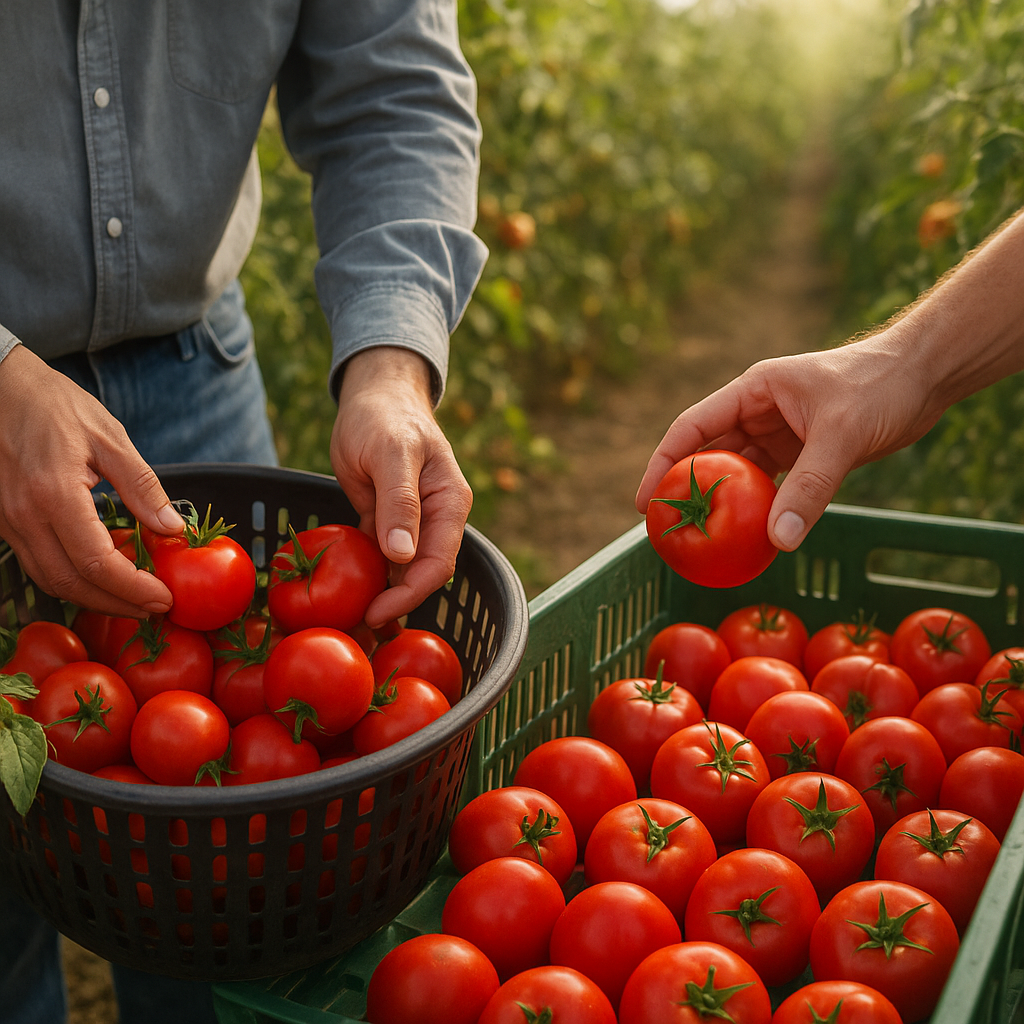
Timely harvest is essential for peak quality and shelf life. For delicate produce like microgreens or cut herbs, harvest during the coolest part of the day to preserve freshness. Rapid cooling – ideally down to 2–4°C – maintains turgor pressure and slows respiration.
- Use sanitized, sharp tools to minimize tissue damage during cutting.
- Implement a cold chain: transport harvested goods in insulated crates or refrigerated vans.
- Pack items in moisture-controlled containers to prevent wilting or mold.
Mastering post-harvest handling reduces losses, safeguards flavor, and ensures customers receive produce in peak condition. Label each package with variety names and harvest dates to reinforce your brand’s transparency and quality.
Marketing, Certification, and Value Addition
Position your produce as gourmet or artisanal to justify premium prices. Highlight unique selling points like organics, heirloom genetics, or locally crafted varieties. Explore organic certification if organic management has been maintained over several years—this credential can open doors to upscale retailers and health-conscious consumers.
- Design eye-catching labels and point-of-sale displays for farmers’ market stalls.
- Offer value-added products: herb-infused oils, artisanal jams, spice blends from dried specialty peppers.
- Build direct relationships with chefs and food influencers through tastings and farm tours.
Adding processing equipment onsite – such as dehydrators or small-scale pack lines – maximizes revenue from surplus or cosmetically imperfect produce. Value-added goods can sell year-round, smoothing cash flow during off-seasons.
Scaling Up and Long-Term Sustainability
As your specialty crop operation grows, invest in robust record-keeping systems for yields, input costs, labor hours, and sales data. Conduct regular profitability analyses to decide which crops to expand and which to phase out. Seek partnerships with local universities or extension services for research collaborations on new varieties and pest control methods.
- Incorporate renewable energy: solar panels for greenhouse heating or pumping systems.
- Explore cooperatives for shared processing facilities and bulk purchasing of high-quality inputs.
- Train staff members on best practices to maintain consistency despite expansion.
Long-term success in specialty cropping hinges on balancing innovation with sustainable practices. A reputation for exceptional quality built on sound agronomic principles can secure premium market positions for years to come.