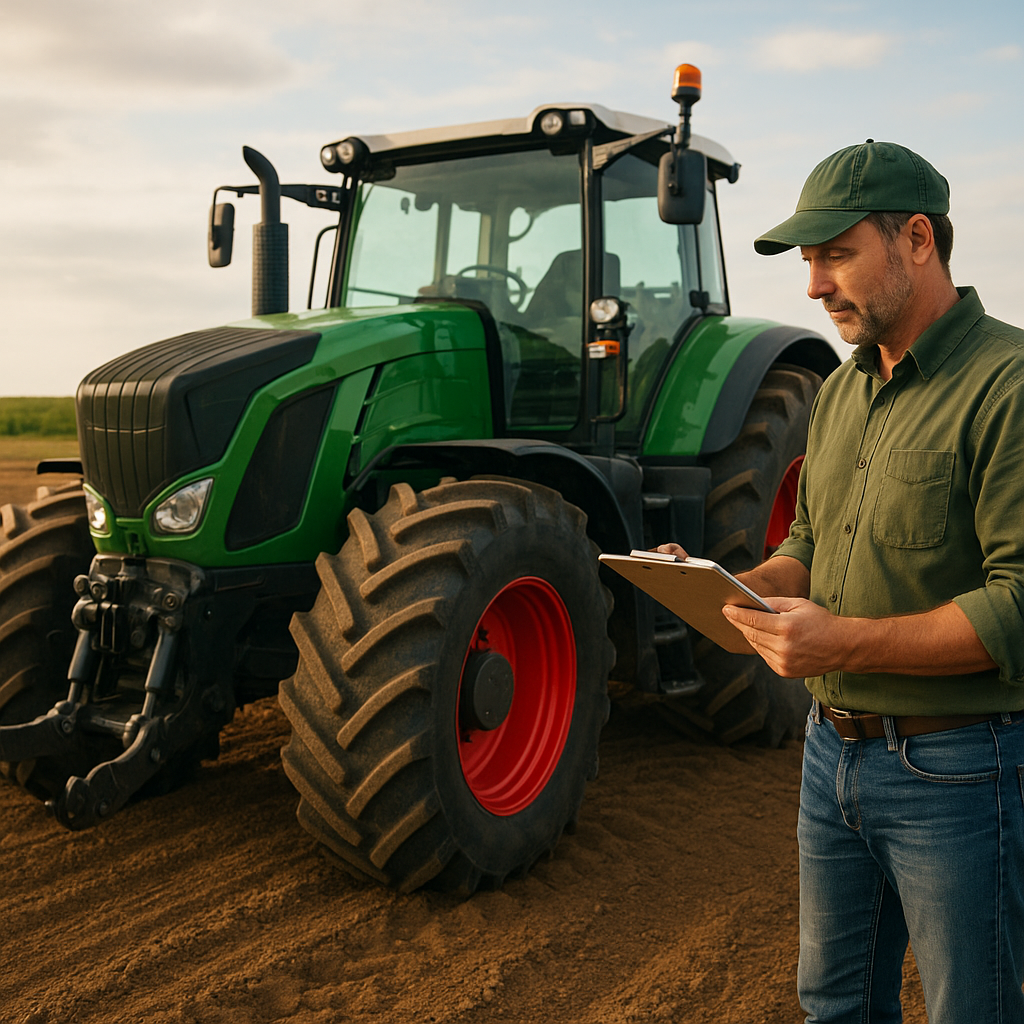
Selecting the perfect tractor for your agricultural operation is a pivotal decision that impacts productivity, cost-efficiency, and long-term success. Whether you manage a small family farm or a sprawling commercial enterprise, understanding the critical factors that influence tractor performance will help you make an informed choice. This guide delves into essential considerations—from power requirements to maintenance demands—equipping you with the knowledge to invest in a machine that aligns with your unique farm demands.
Assessing Farm Requirements
Farm Size and Terrain
The first step in choosing the right tractor is evaluating the scale and contours of your land. A compact tractor may suffice for small plots or garden beds, while expansive fields demand machines with higher horsepower and robust traction. On hilly or uneven terrain, look for models with four-wheel drive (4WD) to prevent slipping and ensure consistent performance.
Primary Tasks and Implements
Identify the most common chores your tractor will perform, such as plowing, mowing, baling, or hauling. Each task may require specific attachments and power levels. For instance, heavy-duty plowing benefits from a tractor with at least 50–70 horsepower, while simple loader work might only need 25–40 horsepower. Making a list of required implements—rotary cutters, seeders, tillers, or bale spears—will streamline your selection process.
Soil Type and Weather Conditions
Soil moisture and composition can influence the tractor’s effectiveness. Soft or wet soils demand excellent traction and flotation, achieved through wider tires or tracks. Conversely, dry, rocky terrains might benefit from reinforced undercarriages and heavier frames for durability. Additionally, consider climate factors: extreme cold or heat can affect engine performance, so look for optional features like heated cabs or enhanced cooling systems.
Evaluating Tractor Types and Features
Compact vs. Utility vs. Row-Crop Tractors
Tractors generally fall into three categories:
- Compact – Ideal for small acreage, orchards, and landscaping. Compact tractors are lightweight, easy to maneuver, and often more economical.
- Utility – Versatile machines designed for general-purpose farming. With moderate horsepower (50–100 hp), they balance power and fuel efficiency.
- Row-Crop – Built for large-scale cropping operations. Higher clearances and adjustable wheel spacing accommodate wide row widths. Horsepower ranges from 80 to over 200 hp.
Transmission Options
Understanding transmission types can enhance operator comfort and productivity:
- Manual and powershift transmissions offer direct control and rugged reliability but can be less ergonomic.
- Hydrostatic drives provide smooth, variable speeds without shifting gears. Ideal for loader work and frequent speed changes.
- Continuously Variable Transmissions (CVT) combine efficiency with infinite speed adjustment, though they come at a premium price.
Cab Design and Operator Comfort
A well-appointed cab can significantly reduce operator fatigue during long workdays. Look for features such as:
- Air suspension seats and ample legroom for enhanced ergonomics.
- Climate control systems—air conditioning and heating—to maintain a consistent cabin environment.
- Clear visibility with panoramic windshields and adjustable side mirrors.
- Integrated controls and easy-to-read displays to streamline operations.
Budget, Maintenance, and Support Considerations
Initial Investment vs. Operating Costs
Your budget encompasses more than the purchase price. Factor in:
- Fuel consumption and efficiency—larger engines may guzzle more diesel but complete tasks faster.
- Routine maintenance costs—oil changes, filter replacements, and scheduled inspections.
- Attachment compatibility—investing in a versatile three-point hitch system can save money on future implements.
Dealer Network and After-Sales Service
A strong dealer network ensures prompt access to spare parts and warranty support. Research local service centers for:
- Licensed technicians trained by the manufacturer.
- Availability of genuine components to preserve durability and performance.
- Emergency repair services or mobile technicians to minimize downtime during peak seasons.
Resale Value and Depreciation
Tractors generally retain value well, but depreciation rates vary by brand and model. To maximize resale price:
- Choose reputable manufacturers with proven reliability records.
- Maintain meticulous service logs and adhere to recommended maintenance intervals.
- Opt for popular horsepower classes and configurations favored by neighboring farms.
Making the Final Decision
Test Drives and Demonstrations
Never purchase a tractor sight unseen. Arrange for on-site demonstrations to assess:
- Ease of operation, shifting, and steering responsiveness.
- Comfort over varied terrains and under load conditions.
- Attachment changes—evaluate how quickly implements connect and disconnect.
Customization and Upgrades
Manufacturers often offer optional packages that enhance productivity:
- Advanced GPS guidance systems for precision farming and reduced overlap.
- Front loaders with quick-attach buckets or forks to expand functionality.
- LED lighting kits for extended work hours during early mornings or late evenings.
Long-Term Return on Investment
Consider the tractor’s impact on your farm’s profitability. A well-matched machine can:
- Reduce fuel expenses through optimized efficiency.
- Lower labor costs by enabling a single operator to accomplish more tasks.
- Minimize downtime and repair bills with a durable design and strong dealer support.
By carefully weighing these factors—farm requirements, tractor features, operating costs, and after-sales support—you’ll be equipped to choose a model that boosts productivity, ensures reliability, and aligns with your long-term agricultural goals. Investing time in research and testing will pay dividends every season, transforming your chosen tractor into a trusted workhorse on your farm.