Ensuring a successful enterprise in growing sweet corn for local markets involves more than simply planting seeds and waiting for harvest. From careful soil analysis to targeted marketing strategies, each stage demands informed decisions, hands-on diligence, and a focus on both quality and sustainability. By optimizing field conditions, selecting the right varieties, and fine-tuning cultural practices, farmers can deliver fresh ears that meet consumer expectations and secure a competitive position in the farm-to-table supply chain.
Site Selection and Soil Preparation
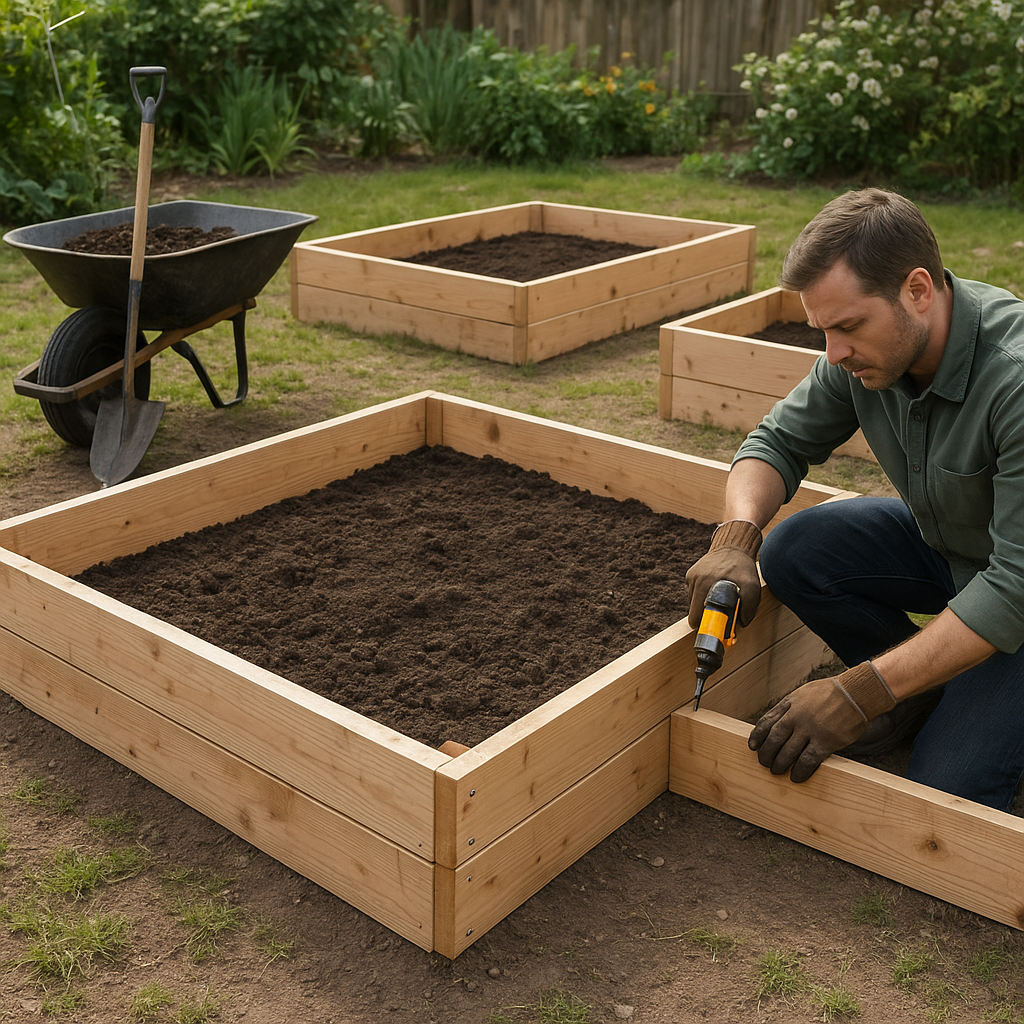
Choosing the right location is fundamental. Corn thrives best in full sun and well-drained soils with consistent moisture. Begin with a soil test to evaluate pH levels and nutrient profiles. Aim for a pH range between 6.0 and 6.8. Address deficiencies by incorporating composted manure or well-balanced fertilizers, emphasizing soil fertility through organic amendments whenever possible. Raised beds or gentle mounding can improve drainage in heavier soils, while cover crops such as legumes can boost nitrogen content ahead of planting.
Proper tillage prepares a fine seedbed and reduces competition from weeds. A shallow pass with a disk harrow followed by a field cultivator helps break clods and incorporate residues from previous crops. Maintain a weed-free zone by applying a light pre-emergent herbicide or using mechanical cultivation. Remember that a clean seedbed supports rapid emergence, critical for vigorous early growth and uniform stands.
Variety Selection and Planting Strategies
Optimal Planting Dates
Sweet corn is sensitive to frost, so schedule planting after the last average frost date in spring. In warmer climates, succession planting every 10–14 days extends the harvest window and provides continuous supply to meet market demand. For stacking rows, consider wind patterns to ensure proper pollination. Corn is wind-pollinated, so staggered block plantings enhance kernel fill compared to single long rows.
Selecting the right hybrid or open-pollinated variety depends on your target niche. Early maturing types reach harvest in as little as 60 days, while mid-season and late varieties can offer superior sweetness and shelf life. Disease resistance and sugar retention (often labeled “sh2” or “se” on seed packets) are critical traits. Combine variety choice with a robust crop rotation plan, rotating cereals with legumes or brassicas to disrupt pest and disease cycles and preserve soil health.
Irrigation and Nutrient Management
Consistent moisture is non-negotiable during ear development. Implement a drip or sprinkler irrigation system to apply 1–1.5 inches of water per week, adjusting for rainfall. Drip lines placed near the plant base reduce evaporation and keep foliage dry, helping prevent disease outbreaks. Use tensiometers or soil moisture sensors to gauge real-time needs and avoid water stress during silking.
Nitrogen is the nutrient most often demanded by corn. Split applications—one at pre-planting and another sidedress at the six-leaf stage—optimize uptake and reduce leaching. Incorporate micronutrients such as zinc and boron if deficiencies appear. Leveraging organic sources like poultry litter can supply both nitrogen and phosphorus while improving soil structure over time. Monitor tissue nutrient levels periodically to fine-tune fertilization rates.
Pest and Disease Control for Healthy Growth
Effective pest management combines cultural, biological, and, when necessary, chemical methods. Regular scouting for corn earworms, armyworms, and aphids allows early intervention. Beneficial insects like lacewings and lady beetles can suppress pest populations in a biological approach. If thresholds are exceeded, select targeted insecticides with minimal impact on pollinators and natural enemies.
Disease prevention begins with clean seed and good field hygiene. Rotate fields to reduce inoculum levels of common pathogens such as northern corn leaf blight and common rust. Remove and destroy volunteer corn and crop residues. Fungicide sprays may be warranted under high-humidity conditions but should be integrated into an overall strategy favoring resistant varieties and optimal spacing to increase air flow.
Harvesting, Grading, and Marketing
Timing is everything. Sweet corn’s sugar content peaks shortly after silk emergence, typically between 18 and 24 days post-silking. Harvest during the cooler morning hours to preserve crisp kernels. Prompt cooling via hydro-coolers or refrigerated transport is essential, as sugars begin converting to starch immediately. Proper harvest timing and post-harvest handling maintain peak flavor and maximize shelf life.
Quality grading involves checking for uniform ear size, firm kernels, and intact husks. For direct sales at farmers’ markets or CSA boxes, emphasize cleanliness and visual appeal. Engage consumers with cooking tips and recipe cards highlighting fresh roasted ears, salads, and salsas. Building relationships with local grocers, restaurants, and food co-ops can expand distribution channels and stabilize prices.
Integrate principles of sustainable agriculture by minimizing synthetic inputs, preserving beneficial organisms, and reducing water use. Educating customers about the environmental benefits of locally grown sweet corn reinforces loyalty and often justifies premium pricing. By aligning production techniques with community needs, producers secure a reputation for high-quality, fresh-picked ears that embody the best of regional farming traditions.