Cultivating mushrooms presents a unique opportunity to convert agricultural skills into a profitable venture. By mastering a few key techniques and understanding market dynamics, growers can generate consistent income while contributing to sustainable agriculture. This article explores essential steps for establishing a mushroom farm, from choosing species to maximizing profitability through strategic marketing.
Selecting the Right Mushroom Varieties
The first decision in any successful operation is picking mushroom types that match your local climate, equipment, and market demand. Popular choices include oyster (Pleurotus ostreatus), shiitake (Lentinula edodes), and button or cremini (Agaricus bisporus). Each has unique advantages:
- Oyster: Fast-growing, tolerant of various substrates, and high yield.
- Shiitake: Command premium prices, grown on hardwood logs or sawdust.
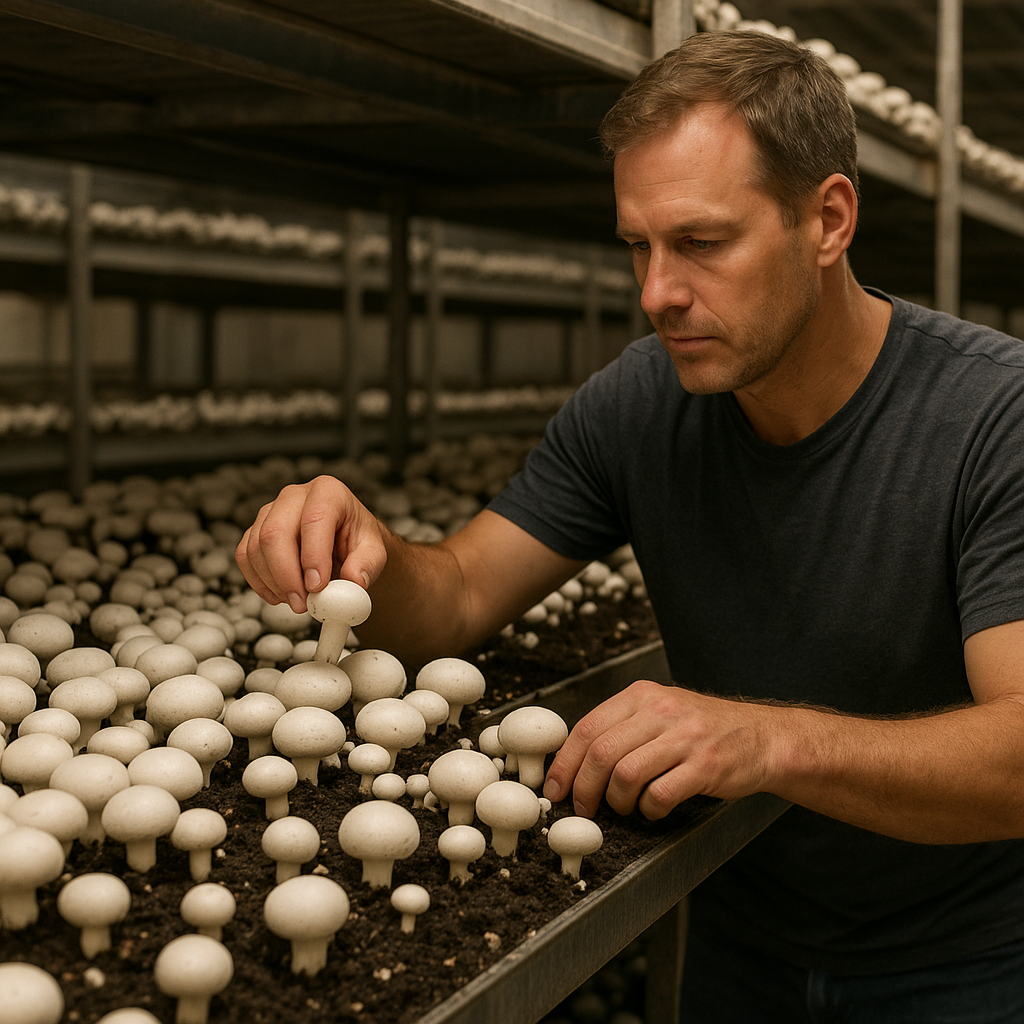
- Button/Cremini: Well-known, steady market demand, grows on composted manure.
When selecting species, consider:
- Local temperature and humidity ranges.
- Availability of substrate materials.
- Market prices and consumer preferences.
- Labor intensity and equipment needs.
Preparing the Growing Environment
A controlled environment can dramatically improve consistency and minimize risks, such as contamination. Key elements include:
- Temperature Control: Maintain species-specific ranges—oysters prefer 18–24°C, shiitake around 22–26°C.
- Humidity Management: High humidity levels (85–95%) prevent caps from drying and ensure robust fruiting.
- Lighting: Indirect light for most varieties; 12 hours per day encourages pinhead formation.
- Air Exchange: Adequate ventilation reduces CO₂ buildup, crucial for proper cap development.
Constructing a simple fruiting chamber or retrofitting a greenhouse can provide the necessary conditions. Invest in reliable sensors and misting systems to automate monitoring and reduce labor costs.
Substrate Preparation and Inoculation
Substrate quality directly affects productivity and profitability. Common substrate materials include straw, hardwood sawdust, and composted manure. Follow these steps:
- Chop or shred bulk materials into small pieces for uniform colonization.
- Sterilization: Use heat (steam or autoclave) to eliminate competing organisms.
- Cool the substrate to below 30°C to protect mushroom spawn.
- Mix spawn into the substrate at a 5–10% ratio by weight.
After inoculation, transfer the substrate into bags or containers designed for air exchange. Seal puncture holes with filter patches to maintain sterile conditions while allowing gas exchange. The incubation phase typically lasts 2–3 weeks, during which white mycelium colonizes the material.
Maintaining Optimal Conditions
Once mycelium has fully colonized the substrate, initiate the fruiting phase by adjusting environmental triggers:
- Lower temperature by 2–4°C to induce pinning.
- Increase fresh air exchange to reduce CO₂.
- Maintain misting schedules to keep surfaces moist without waterlogging.
Monitor carefully for signs of contamination—green mold (Trichoderma) and bacterial blotch can ruin a flush. Remove infected blocks immediately and disinfect equipment routinely. Implement a rotation schedule to ensure continuous production, staggering inoculation dates to have weekly or biweekly harvests.
Harvesting and Post-Harvest Handling
Timely harvest maximizes quality and shelf life. Generally, pick mushrooms when caps are fully expanded but before gills darken. Use clean knives to minimize damage. After harvesting:
- Brush off substrate particles; avoid washing to preserve texture.
- Sort by size and quality for consistent packaging.
- Package in breathable containers to prevent condensation.
Cold storage (0–2°C) extends shelf life to 7–10 days. For value-added products, consider drying, pickling, or producing powders, capturing additional revenue streams and reducing waste.
Marketing and Maximizing Profit
High returns depend on well-planned distribution and branding. Explore these strategies:
- Sell directly at farmers’ markets to capture retail margins.
- Form partnerships with local restaurants and gourmet shops seeking fresh, specialty mushrooms.
- Offer subscription boxes or Community Supported Agriculture (CSA) shares, ensuring predictable sales.
- Diversify product lines: fresh mushrooms, dried goods, grow kits for hobbyists.
Invest in attractive packaging and highlight key benefits like organic methods, local sourcing, and culinary versatility. Educate customers through recipe cards or cooking demonstrations to boost demand. Building a strong brand reputation contributes to long-term sustainability and growth.
Strategies for Scaling and Long-Term Success
After mastering small-scale production, expansion can unlock economies of scale:
- Automate substrate mixing, bagging, and environmental controls to reduce labor costs.
- Invest in modular growing systems to increase capacity without major renovations.
- Research emerging species—lion’s mane, reishi, and enoki—to tap niche markets.
- Secure contracts with wholesalers and supermarket chains for large-volume orders.
By continuously optimizing processes and diversifying your offerings, you can achieve steady cash flow and maintain a competitive edge in the evolving agricultural marketplace. Profitable mushroom farming is achievable through careful planning, disciplined execution, and a deep understanding of both biological processes and consumer needs.