Building a thriving farm-to-table enterprise demands more than fertile fields and fresh produce. It requires strategic insight, unwavering dedication, and a clear vision for connecting growers with consumers. This guide explores how to shape your venture into a standout brand that champions quality, fosters community ties, and embraces sustainability.
Understanding Your Market Landscape
Before sowing the seeds of a local food operation, it’s critical to map out consumer preferences and competition. A thorough market analysis will reveal gaps and opportunities where your farm-to-table concept can thrive.
Identifying Consumer Trends
- Prioritize research on dietary movements such as plant-based diets, heritage grains, or artisanal cheeses.
- Monitor local farmers’ markets, online forums, and social media groups to gauge interest in specialty produce and farm experiences.
- Use surveys and focus groups to collect direct feedback on pricing thresholds and product expectations.
Analyzing the Competition
Take note of established local grocers, co-ops, and direct-to-consumer brands. Assess their product range, messaging, and pricing. Understanding how they communicate authenticity will guide you in carving your own niche.
Crafting a Distinctive Value Proposition
To stand out, define what makes your offerings unique. Your value proposition should hinge on a set of compelling principles that resonate with your target audience.
Emphasizing Authenticity
Authenticity means showcasing the real stories behind your produce. Highlight your farm’s heritage, the methods that ensure quality, and your commitment to transparency. When customers see the faces behind the food, they form emotional bonds that drive loyalty.
Promoting Transparency and Traceability
- Offer farm tours or virtual walkthroughs so patrons can witness production firsthand.
- Include harvest dates, batch numbers, and supplier details on packaging or digital platforms.
- Publish environmental impact reports to underline your eco-friendly practices.
Building a Signature Offering
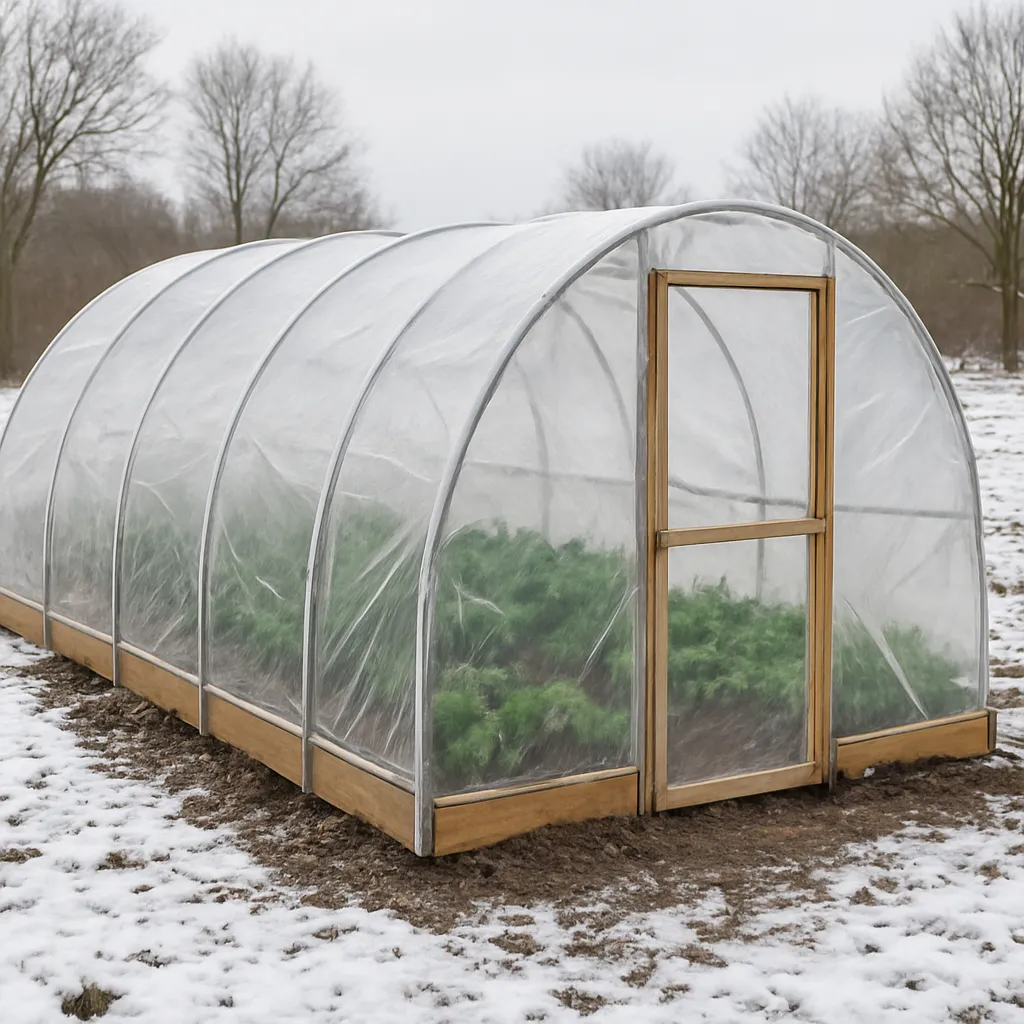
Create a hero product that embodies your ethos—whether it’s heirloom tomatoes nurtured in sun-drenched greenhouses or cold-pressed apple cider from heritage orchards. This flagship item becomes the ambassador of your brand, showcasing your dedication to excellence.
Developing Strategic Partnerships with Farmers and Suppliers
Your network of growers and artisans is the backbone of your venture. Solid relationships ensure a steady supply of top-tier ingredients and inject authenticity into your narrative.
Finding the Right Farmers
- Seek out producers who practice regenerative agriculture or organic cultivation.
- Collaborate with small-scale farmers who share your commitment to soil health and biodiversity.
- Formalize agreements that detail shared values, quality standards, and logistical responsibilities.
Co-Creating Products and Events
Joint ventures—like a seasonal CSA box curated by multiple growers or farm dinners hosted at partner estates—bolster your community engagement and expand your reach. Co-branded events harness collective audiences and reinforce the local ethos.
Engaging the Community through Events and Digital Channels
Building a lasting relationship with customers goes beyond transactions. Cultivating a vibrant ecosystem around your offerings turns buyers into brand advocates.
Hosting Immersive Farm Experiences
- Organize pick-your-own harvest days, cooking workshops, and farm-to-table dinners that showcase seasonal ingredients.
- Invite local chefs or nutritionists for live demonstrations, emphasizing the journey from field to fork.
- Leverage on-site signage and interactive stations to educate guests about sustainable practices.
Harnessing Digital Storytelling
Engage followers with a robust online presence. Use high-quality photography, behind-the-scenes videos, and farmer interviews to bring your mission to life. Prioritize platforms where your audience is most active—whether it’s Instagram for visual appeal or a dedicated newsletter for in-depth narratives.
Implementing Loyalty Programs
Reward repeat customers with tiered memberships, exclusive early access to limited-edition items, or personalized recipe kits. Such initiatives nurture deeper connections and incentivize word-of-mouth referrals.
Ensuring Sustainability and Operational Excellence
Long-term success in farm-to-table hinges on responsible resource management and continuous process improvement. Keep an eye on efficiency without compromising your core values.
Optimizing Supply Chain Logistics
- Streamline delivery routes to reduce carbon footprint and maintain product freshness.
- Adopt inventory management software tailored to perishable goods.
- Establish contingency plans for weather-related disruptions or crop shortages.
Adopting Regenerative Practices
Beyond organic farming, regenerative techniques bolster soil fertility, sequester carbon, and promote ecosystem health. Communicate these efforts clearly to demonstrate how your operations contribute positively to the planet.
Measuring Impact and Scalability
Define key performance indicators (KPIs) such as waste reduction rates, customer retention percentages, and community engagement metrics. Regular audits and feedback loops ensure that your sustainability goals remain aligned with growth ambitions.
Leveraging Storytelling and Branding Elements
A compelling narrative can turn routine transactions into memorable experiences. Use cohesive visual identity, brand voice, and storytelling arcs that spotlight your journey from humble beginnings to a trusted local authority.
Designing Consistent Visuals
- Develop a color palette and typography that evoke natural elements like earth, sun, and water.
- Create packaging with minimalist designs that prioritize clear, honest labeling.
- Ensure your website and social media graphics align seamlessly with packaging motifs.
Crafting a Cohesive Brand Voice
Whether playful, educational, or nostalgic, maintain a tone that reflects your farm’s personality. Emphasize storytelling by weaving anecdotes about seasonal harvests, family traditions, and community milestones into your copy.
Maintaining Engagement through Feedback
Invite customers to share photos, reviews, and recipe adaptations. Feature user-generated content to strengthen the sense of belonging and highlight how your products enrich everyday lives.