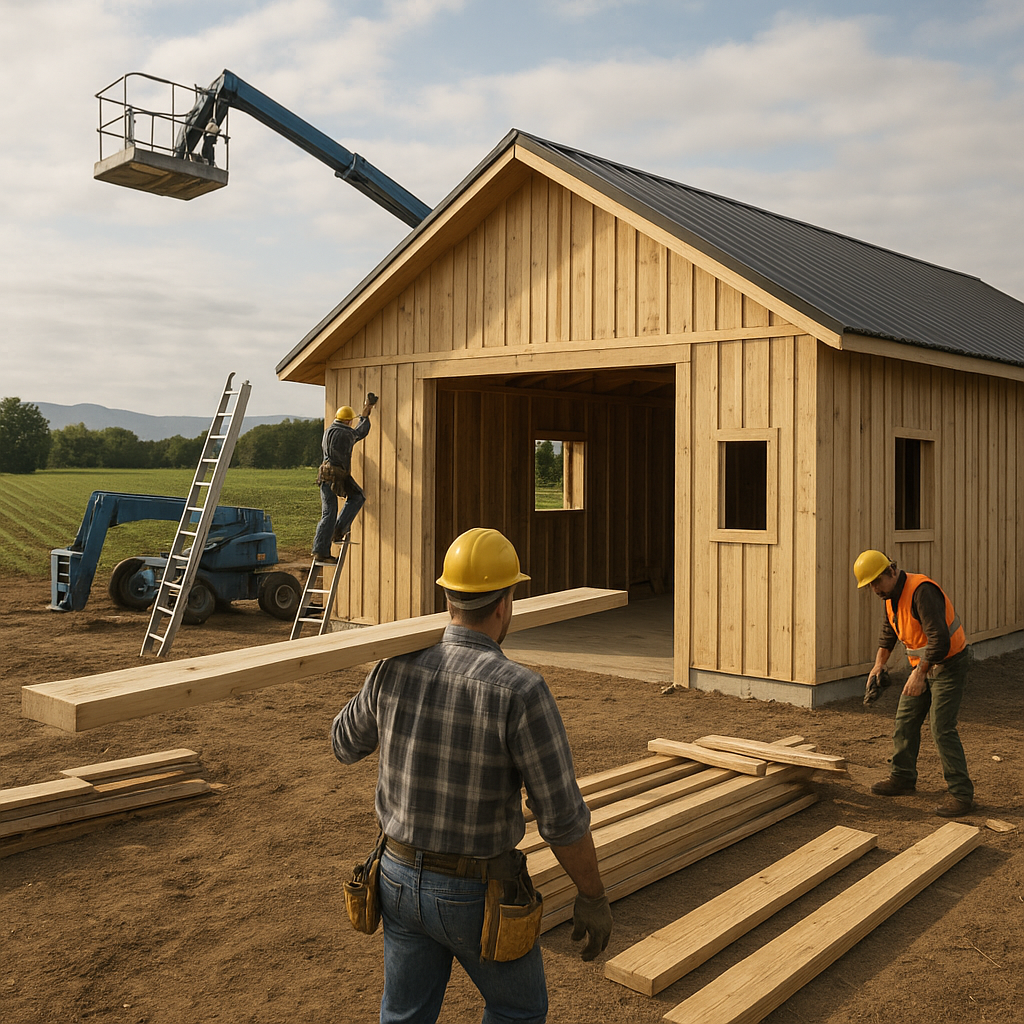
Establishing a successful farm shop or processing facility requires more than just passion for agriculture. A thoughtful approach that combines strategic planning, efficient design, and strong community connections will transform raw produce into profitable ventures. By integrating sustainability and innovation, farmers can add significant value to their crops, engage customers directly, and build a resilient business model.
Site Selection and Strategic Planning
Choosing the right location lays the groundwork for your enterprise. Consider factors such as proximity to markets, accessibility, and local zoning regulations. Conducting a thorough feasibility study helps you understand potential challenges and opportunities before committing resources.
Understanding Zoning and Permits
- Research local zoning ordinances to confirm you can operate a farm shop or processing plant.
- Obtain necessary permits: building permits, environmental clearances, and food safety licenses.
- Engage with municipal authorities early to streamline the approval process.
Assessing Infrastructure Needs
Infrastructure forms the backbone of any facility. Key components include utility connections, road access, and waste management. Ensure reliable water supply for cleaning and processing, adequate electrical capacity for machinery, and efficient drainage systems to minimize contamination risks.
Designing an Efficient Layout
Optimizing the physical arrangement of your shop or processing area reduces operational costs and enhances workflow. Whether you’re selling fresh produce directly or packaging value-added products, a well-planned design encourages productivity and safety.
Customer-Centric Shop Floor
- Clear pathways and signage guide visitors through product displays.
- Dedicated sampling stations invite shoppers to taste and learn about your offerings.
- Accessibility features, including wide aisles and ramps, ensure a comfortable experience for all customers.
Processing Zone Configuration
The processing space should be segregated from customer areas to maintain hygiene and food safety standards. Implement distinct sections for washing, cutting, cooking, and packaging. Mark each zone with clearly visible floor tape or signage to prevent cross-contamination.
Investing in Equipment and Technology
Selecting the right machinery is a crucial step in scaling up your operations. From industrial-grade mixers to refrigeration units, the equipment you choose will affect product quality, throughput, and energy consumption.
Refrigeration and Cold Storage
- Install walk-in coolers or blast freezers to preserve freshness and extend shelf life.
- Monitor temperature and humidity with automated sensors and alarms.
- Opt for energy-efficient models to reduce long-term utility expenses.
Processing Machinery
Your machinery lineup may include peelers, slicers, grinders, and bottling lines. Consider modular systems that can be expanded as your product range grows. Maintenance plans and reliable supplier support will keep equipment running smoothly and minimize downtime.
Compliance, Safety, and Quality Assurance
Operating a facility that processes food or sells perishable goods demands strict adherence to regulatory guidelines. Implementing rigorous quality control measures will protect consumers and safeguard your brand reputation.
Hygiene Protocols
- Develop standard operating procedures (SOPs) for cleaning and sanitation.
- Train staff in proper handwashing techniques and use of personal protective equipment (PPE).
- Schedule routine inspections and microbial testing to verify compliance.
Traceability and Record-Keeping
Maintaining detailed records of product sources, batch numbers, and processing dates is essential for traceability. In the event of a recall, robust documentation enables you to pinpoint affected lots quickly and limit economic losses.
Marketing, Branding, and Community Engagement
An effective marketing strategy highlights your unique selling propositions and fosters customer loyalty. Building a strong brand around authenticity and local provenance can differentiate your farm shop in competitive markets.
Creating a Memorable Brand Identity
- Design a logo that reflects your farm’s values and heritage.
- Develop cohesive packaging with clear labeling and nutritional information.
- Leverage storytelling to connect customers with the farming journey behind each product.
Engaging Customers Onsite and Online
Enhance the shopping experience with hands-on activities such as farm tours and pick-your-own fruit events. Building an online presence through social media and an e-commerce platform extends your reach beyond local patrons. Regular newsletters can keep your audience informed about new products, seasonal promotions, and upcoming events.
Financial Management and Profitability Strategies
Sustainable financial oversight is vital to long-term success. Establishing clear budgets, monitoring cash flow, and assessing performance metrics will guide informed decision-making.
Cost Analysis and Pricing
- Calculate fixed costs (rent, utilities, insurance) and variable costs (labor, raw materials).
- Determine break-even points and set competitive pricing that ensures reasonable profit margins.
- Offer value bundles or subscription boxes to stabilize revenue streams.
Funding and Grant Opportunities
Research agricultural grants, low-interest loans, and government programs that support rural development and food processing initiatives. Partnering with local cooperatives or agricultural extension services can unlock additional resources and technical assistance.
Future Growth and Innovation
To stay ahead, continuously explore new product lines, embrace technological advancements, and respond to evolving consumer preferences. Implement renewable energy solutions like solar panels or biogas digesters to reduce your carbon footprint and operating costs. Collaborating with research institutions or industry peers can spark innovative approaches to processing and branding, ensuring your farm shop remains a vibrant hub for both the community and the market.