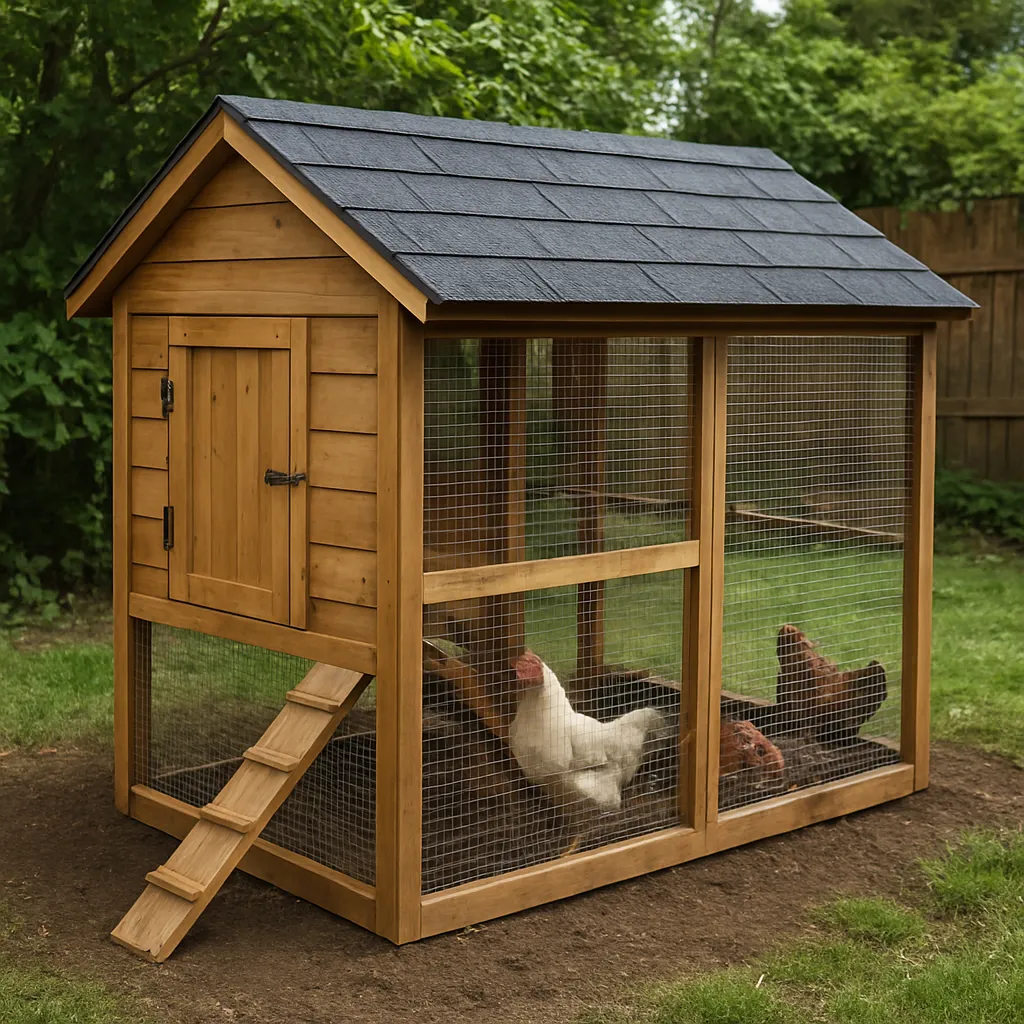
Raising backyard poultry offers a sense of self-sufficiency and connection to nature. As you embark on this project, proper planning and attention to detail will ensure a comfortable and secure environment for your birds. This guide will walk you through essential steps, from design considerations to daily maintenance routines, helping you create a durable and efficient chicken coop for your expanding flock.
Planning Your Chicken Coop
Before picking up lumber or hardware cloth, it’s crucial to assess your space and local regulations. Municipal guidelines often dictate coop placement, setbacks from property lines, and maximum flock size. Additionally, consider predator pressure in your area—raccoons, foxes, and snakes pose a constant threat to free-ranging birds. To prevent potential issues, create a simple site map:
- Measure the available yard area and identify shaded spots
- Check for underground utilities before digging foundation holes
- Ensure easy access for daily chores and occasional veterinary visits
Calculate the required coop size based on the number of chickens. A general rule of thumb is a minimum of 4 square feet per bird inside the coop and 10 square feet in the run. Ample room reduces stress, aggression, and the spread of disease.
Selecting Materials and Tools
The right materials and quality tools set the foundation for a long-lasting structure. Opt for weather-resistant lumber, such as pressure-treated pine or cedar, to withstand moisture and decay. For flooring, consider easy-to-clean plywood or concrete slabs. Hardware cloth with 1/2-inch mesh will keep small predators out while allowing airflow.
- Framing lumber: 2×4 or 2×6 boards for wall studs and roof rafters
- Sheathing: Exterior-grade plywood or OSB for walls and roof deck
- Roofing: Corrugated metal panels or asphalt shingles
- Fasteners: Galvanized screws, joist hangers, and hurricane ties
- Hardware cloth: 1/2-inch galvanized mesh for windows and vents
Essential tools include a circular saw, drill, level, tape measure, and safety equipment such as gloves and eye protection. Investing in quality tools not only speeds up construction but also enhances safety and precision.
Building the Coop Structure
With plans and materials in hand, it’s time to break ground. Start by constructing a level foundation. Concrete piers, cinder blocks, or a simple gravel pad will elevate the coop floor, discouraging rot and preventing water infiltration. After securing a stable base, assemble the floor frame:
- Lay 2×6 sills on the foundation, ensuring level placement
- Attach joists at 16-inch intervals using joist hangers
- Fasten plywood or planks to the joists, forming the subfloor
Next, build wall panels on the flat floor surface. Walls should accommodate windows for light, vents for ventilation, and a secure door for human access. Tilt the panels upright, anchor them to the base, and secure corners with hurricane ties for added stability. Install rafters for the roof, maintaining a slight pitch to shed rainwater. After sheathing, apply roofing material, ensuring overlaps and sealants prevent leaks.
Interior Setup: Nesting, Roosting, and Ventilation
Interior planning focuses on comfort and bird health. Chickens require distinct areas for laying eggs, sleeping, and moving about. Consider the following elements:
- Nesting boxes: Provide one box per 4–5 hens, lined with straw or wood shavings for cleanliness.
- Roosts: Install perches at least 18 inches off the floor, using 2×4 boards or natural branches to cater to the flock’s foot grip.
- Ventilation: Place screened vents near the roofline to allow hot, moist air to escape without causing drafts at bird level.
- Flooring: Cover the floor with a deep layer of pine shavings. This litter absorbs waste and simplifies cleaning.
Good airflow prevents ammonia buildup and respiratory issues. Drafts at night, however, can chill chickens, so position vents above roost level. For colder climates, add insulation between studs and cover it with interior sheathing to maintain warmth.
Securing the Coop Against Predators
Predator control is paramount for a thriving flock. Start by burying hardware cloth at least 12 inches deep around the perimeter to deter digging predators. Strengthen door and window frames with metal flashing or angle brackets to resist prying attempts.
- Use heavy-duty locks or carabiners on all access points.
- Schedule nightly lock-up of chickens to minimize risk from nocturnal hunters.
- Consider installing motion-activated lights or alarms around the coop area.
Regularly inspect the structure for weak spots, loose mesh, or rotting wood. Timely repairs will maintain the coop’s integrity and keep opportunistic animals at bay.
Maintenance and Biosecurity Practices
Routine care is essential to keep your flock healthy and eggs safe. Develop a cleaning schedule that includes:
- Weekly removal of wet or soiled bedding
- Monthly deep cleaning with a mild disinfectant
- Seasonal checks of roof seals, vent screens, and foundation stability
Maintain a well-stocked toolkit with spare hardware cloth, screws, and basic hand tools. Implement simple biosecurity measures: limit visitor access, change footwear before entering the coop, and quarantine new birds for at least two weeks. By doing so, you minimize disease transmission and ensure the coop remains a safe haven for your flock.