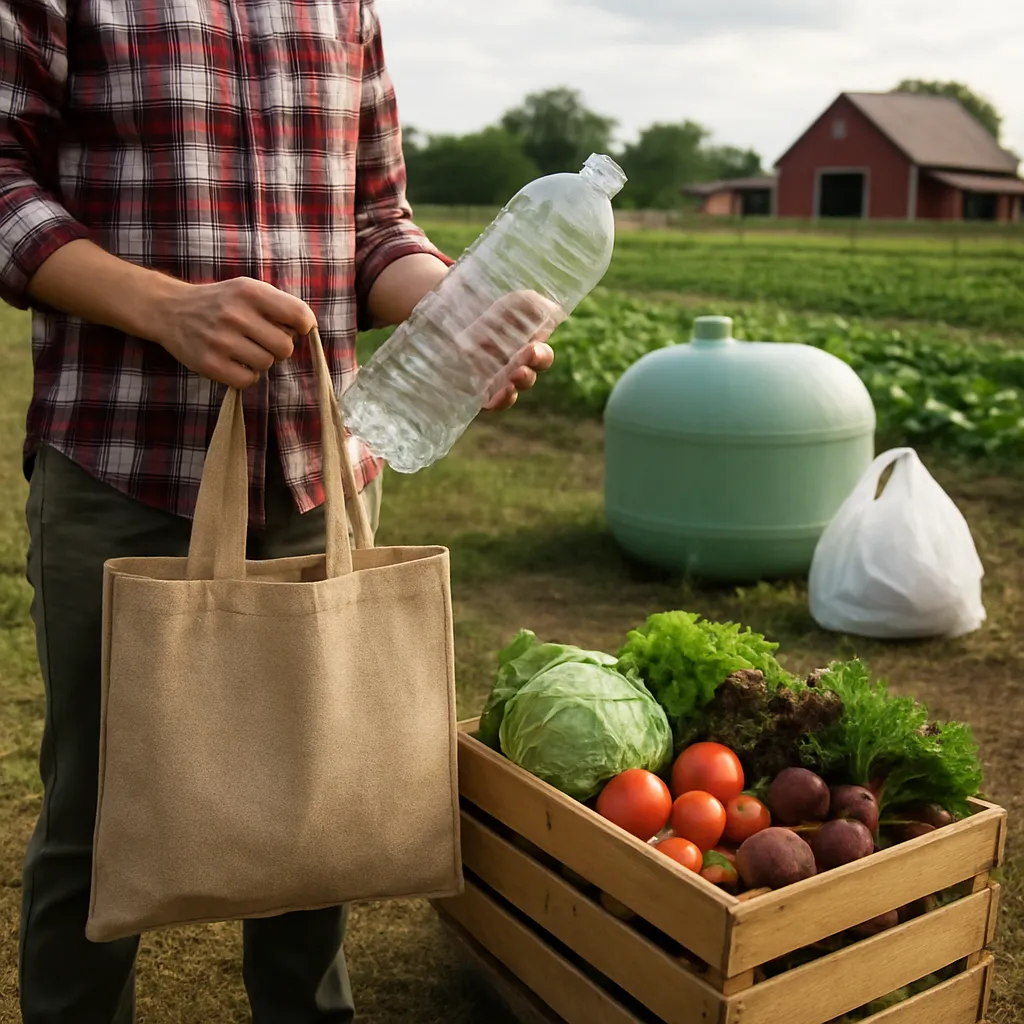
Farms around the world are pivotal in feeding growing populations, yet many operations depend heavily on single-use plastics for irrigation, packaging, and crop protection. By rethinking material choices and adopting zero-waste principles, growers can dramatically cut down on plastic pollution while improving overall resource efficiency. The following sections explore practical solutions to reduce plastic use without compromising productivity or profitability.
Understanding the Impact of Plastic Waste on Farms
On a typical farm, plastics appear in the form of mulch films, greenhouse covers, irrigation tubing, seed trays, and chemical containers. While these items offer convenience and durability, over time they break down into microplastics that accumulate in soil and waterways. Research shows that microplastic particles can hinder nutrient uptake by plants and disrupt beneficial soil organisms, ultimately affecting soil health and crop yields. Equally concerning is the risk to wildlife: birds and small mammals may ingest fragments, leading to digestive blockages or exposure to toxic residues.
Moreover, the production and disposal of petroleum-based plastics contribute significantly to greenhouse gas emissions. From extraction to incineration, each stage leaves a sizable environmental impact. Transitioning toward alternatives and improving waste management practices helps farms reduce their carbon footprint while maintaining the high standards required by modern agriculture.
Adopting Reusable and Durable Alternatives
The first step in cutting plastic consumption is replacing disposable items with long-lasting options. This approach aligns with the principles of a circular economy, where materials are kept in use rather than discarded.
Equipment and Tools
- Metal and wooden stakes: Durable substitutes for plastic plant supports that can be treated for weather resistance.
- Stainless steel sprayer tanks: Refillable units that outlast single-use polyethylene containers.
- Heavy-duty buckets and crates: Reusable polypropylene containers rated for hundreds of cycles.
Packaging and Distribution
- Returnable bins: Establish a deposit system to encourage clients to return containers for reuse.
- Bulk deliveries: Order fertilizers, seeds, and feed in large volumes with refillable silos or hoppers, reducing individual packaging.
- Reusable burlap sacks: For produce and grains, these natural fibers degrade gracefully at end of life.
Embracing Biodegradable and Compostable Materials
Where disposables remain necessary, consider products certified as biodegradable or compostable. These materials break down under controlled conditions, returning nutrients to the soil instead of persisting as long-term waste.
Mulch Films and Row Covers
- PLA-based films: Made from corn starch, these films degrade with proper microbial activity.
- Paper-reinforced covers: Offer UV protection and moisture retention without plastic residues.
Planting Trays and Seed Pots
- Coir and peat pots: Natural substrates that can be planted directly into the ground.
- Pulp fiber trays: Produced from recycled paper, fully compostable after use.
Biodegradable Twine and Ties
- Jute, sisal, or hemp ropes: Strong, natural fibers that decompose when buried in soil.
- Bio-resin clips: Made from vegetable oils and starch blends, breaking down in industrial composters.
Implementing Effective Recycling and Waste Management
Even with reduced consumption, farms generate some plastic scrap. Establishing robust recycling and disposal protocols ensures that end-of-life materials don’t become litter or landfill fodder.
On-Site Sorting Stations
- Color-coded bins: Separate films, rigid plastics, and chemical drums for easy collection.
- Cleaning protocols: Rinse pesticide containers thoroughly to meet recycling center standards.
- Staff training: Regular workshops to reinforce proper handling and sorting procedures.
Partnering with Local Recyclers
- Ag-specific take-back programs: Many manufacturers accept used drip tubing and greenhouse films for closed-loop processing.
- Cooperative initiatives: Neighboring farms can share transport costs to deliver bulk recyclables, lowering per-unit fees.
Tracking and Reporting
Use simple software or logbooks to record the volume and type of plastics recycled each season. Transparent reporting can highlight progress and motivate further improvements, while also satisfying regulatory or certification requirements.
Leveraging Innovative Technologies for Waste Reduction
Advances in materials science and precision agriculture offer new avenues for minimizing plastic reliance. Embracing these innovative tools can deliver both environmental and economic gains.
Precision Irrigation Systems
- Smart drip controllers: Adjust flow rates in real time, reducing the need for excess tubing and connectors.
- Wireless soil moisture sensors: Eliminate bulky conduits by transmitting data via low-power radio.
3D-Printed Components
- On-demand repair parts: Print replacement nozzles, clips, and adapters in biodegradable or recycled filament.
- Custom fixtures: Design farm-specific tools to avoid over-ordering off-the-shelf plastics.
Digital Monitoring Platforms
- Inventory management apps: Track packaging stock levels to avoid surplus orders.
- Supplier portals: Facilitate bulk scheduling and next-generation take-back services for refillable products.
Building Partnerships for a Sustainable Future
Reducing farm-level plastic consumption extends beyond the field. Collaboration across the supply chain amplifies impact and fosters a true culture of sustainability.
- Supplier engagement: Request plastic-free packaging or pilot refill programs with seed and fertilizer vendors.
- Industry networks: Join farm cooperatives or sustainability forums to share best practices and scale solutions.
- Government schemes: Leverage grants and technical assistance for on-farm waste reduction projects.
By working together, farmers, agronomists, suppliers, and policymakers can accelerate the shift to low-waste systems. The rewards include healthier soils, lower operating costs, and a stronger reputation among consumers who increasingly value eco-friendly production.