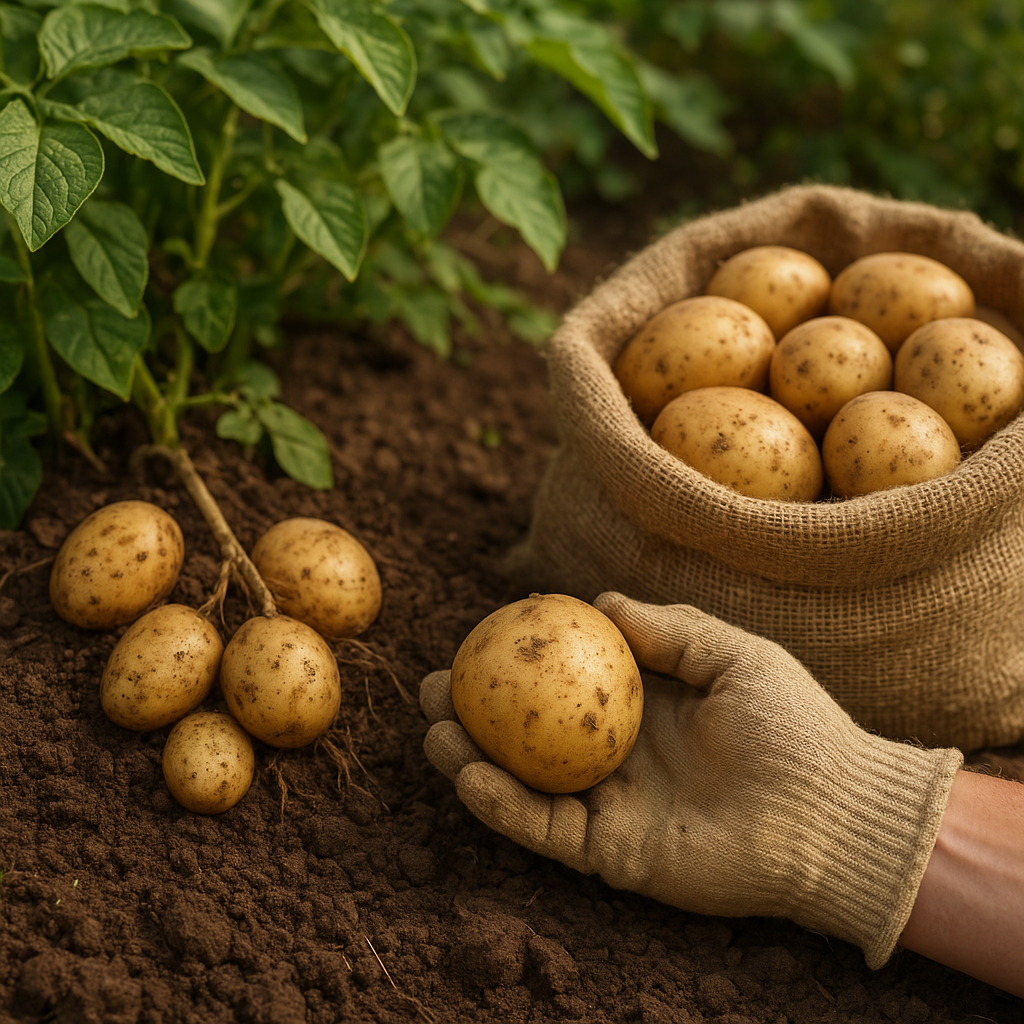
Growing potatoes without synthetic inputs can transform a simple plot into a thriving example of sustainable agriculture. By focusing on the health of the soil, choosing the right planting material, and managing moisture, you can maximize your harvest of nutrient-rich tubers. This guide explores essential techniques and best practices for producing high-quality, organic potatoes in your garden or small farm.
Soil Preparation and Health
Good potato production begins with soil that is loose, well-drained, and rich in organic matter. Potatoes thrive when roots can easily explore and expand, accessing ample nutrients and water without the threat of waterlogging.
Soil Testing and pH Adjustment
Before planting, collect several soil samples from different parts of your field. A soil test helps you determine:
- pH level (ideal range 5.5–6.5)
- Nitrogen, phosphorus, potassium content
- Organic matter percentage
If pH is too low, add finely ground lime; if it’s too high, incorporate elemental sulfur gradually to reach the optimal range.
Building Fertility with Organic Amendments
Rather than relying on chemical fertilizers, aim to build a living, breathing soil ecosystem:
- Work in well-aged compost at least two weeks before planting.
- Rotate in cover crops like clover or vetch in the off-season to capture atmospheric nitrogen.
- Topdress with compost tea or a balanced organic granular fertilizer during the growing season.
Healthy soils not only supply nutrients but also support beneficial microbes that protect potatoes from pathogens.
Selecting and Preparing Seed Potatoes
Choosing disease-free, high-quality seed potatoes is a pivotal step in ensuring a robust crop. Seed potatoes are small tubers or pieces of larger tubers that will sprout into new plants.
Variety Selection for Climate and Taste
Consider:
- Early, mid, and late-maturing varieties for staggered harvests.
- Texture (waxy vs. starchy) based on culinary uses.
- Resistance to local pests and disease pressures.
Chitting and Cutting Tubers
“Chitting” encourages sprouts before planting:
- Place seed potatoes in a cool, bright spot for 2–4 weeks until sprouts reach 1–2 cm.
- Use a sharp knife to cut large tubers into pieces, each containing at least two “eyes.”
- Allow cut surfaces to dry for 1–2 days to form a protective callus, reducing rot risk.
Planting Techniques and Crop Rotation
Proper planting methods help tubers develop evenly and reduce competition from weeds.
Sowing Depth and Spacing
- Dig trenches about 10–15 cm deep.
- Place seed pieces 30 cm apart along the row.
- Maintain row spacing of 75–90 cm for adequate air circulation and equipment access.
- Cover tubers with 5 cm of soil initially; hill up additional soil later as shoots emerge.
Importance of Crop Rotation
Potatoes share many diseases with tomatoes, peppers, and eggplants. Rotate away from solanaceous crops for at least three seasons. Good rotation partners include legumes, brassicas, and cereals. This strategy interrupts pest life cycles and promotes soil balance.
Water Management, Mulch, and Weed Control
Maintaining consistent moisture is critical. Too little water leads to small, misshapen tubers; too much invites rot and disease.
Irrigation Best Practices
- Apply 2.5–3 cm of water weekly, more in peak heat.
- Use drip irrigation to direct moisture at the root zone and keep foliage dry.
- Monitor soil moisture with a probe or by feeling 5–10 cm beneath the surface.
Applying Mulch to Conserve Moisture
A 5–10 cm layer of organic mulch—straw, grass clippings, or leaf mold—helps:
- Maintain even soil temperatures.
- Suppress weeds that compete for water and nutrients.
- Reduce soil splash, minimizing the spread of soil-borne pathogens.
Mechanical and Manual Weed Control
Avoid herbicides in organic systems by cultivating carefully between rows early in the season and pulling emerging weeds by hand. Shallow cultivation preserves tubers near the surface and protects beneficial organisms.
Managing Pests and Biological Disease Control
Organic potato growers rely on cultural practices, resistant varieties, and natural predators to manage threats.
Common Pests and Prevention
- Colorado potato beetle: remove adults by hand, use floating row covers, or introduce lady beetles.
- Wireworms: rotate away from grasses and cereals; use bait traps with pieces of carrot buried in soil.
- Aphids: encourage parasitic wasps and hoverflies, or spray with insecticidal soap.
Fungal and Bacterial Disease Management
- Late blight: practice proper rotation, avoid overhead watering, space rows for air movement.
- Blackleg and soft rot: plant certified seed, maintain dry conditions during storage.
- Early blight: remove infected foliage, apply copper-based sprays under organic guidelines.
Harvesting and Post-Harvest Handling for Maximum Yield
Proper timing and handling can significantly extend storage life and marketability.
Timing the Harvest
- New potatoes: dig when plants flower and foliage begins to yellow.
- Mature potatoes: wait 2–3 weeks after vine death for skins to toughen.
Harvest Techniques
- Use a fork or spade to carefully lift tubers, avoiding cuts and bruises.
- Shake off excess soil; do not wash immediately to prevent moisture buildup.
Storage Conditions
Store tubers in a cool (4–10 °C), dark, and humid (85–95%) environment. Avoid exposure to light to prevent greening. Check regularly and remove any spoiled potatoes to protect the overall batch.
Advanced Tips for Enhanced Production
As your expertise grows, consider innovative approaches to boost productivity:
- Integrate cover crops like buckwheat or phacelia between main crops to attract pollinators and beneficial insects.
- Experiment with trench planting on sloped fields to improve drainage.
- Test biofertilizers containing rhizobacteria for enhanced root health and tuber set.
By prioritizing soil vitality, selecting quality seed potatoes, and adopting integrated pest management, you can sustainably produce a bountiful harvest. The careful application of these strategies will establish your farm or garden as a model of efficient, high-quality organic potato production.