Starting a small dairy farm can be a rewarding venture that combines passion for agriculture with sound business practices. With careful planning and dedication, you can build a thriving operation that supports local communities and delivers high-quality dairy products. This guide will walk you through essential steps such as site selection, herd development, farm infrastructure, animal health, daily routines, and marketing strategies.
Planning and Preparation
Every successful farm begins with a solid foundation of research and foresight. During this stage, you’ll evaluate your goals, assess available resources, and ensure compliance with local regulations.
Defining Your Vision
Clarify your long-term objectives. Are you aiming to produce artisan cheeses, bottled milk, or yogurt? Your target products will shape your farm’s scale and operations. Establishing a clear vision helps guide decisions about herd size, technology investments, and marketing channels.
Site Selection and Zoning
- Soil Quality: Choose land with well-drained soil to maintain healthy pasture growth.
- Water Access: Identify reliable water sources for drinking, cleaning, and irrigation.
- Zoning Laws: Investigate local zoning and environmental regulations to avoid costly setbacks.
- Accessibility: Ensure convenient access for suppliers, customers, and waste removal services.
Business Plan Development
A comprehensive business plan outlines startup costs, recurring expenses, revenue projections, and break-even analysis. Include:
- Capital Requirements (land, equipment, buildings)
- Operating Costs (feed, veterinary care, utilities)
- Pricing Strategy (wholesale vs. direct-to-consumer)
- Funding Sources (loans, grants, investors)
Infrastructure and Equipment
Proper infrastructure ensures efficient workflows and animal comfort. Investing in quality facilities pays dividends in herd health and product consistency.
Housing and Shelter
- Barn Design: Provide ample space per cow, good ventilation, and natural lighting.
- Stall Layout: Design stalls for easy cleaning and comfortable resting areas.
- Ventilation Systems: Maintain air quality to reduce respiratory issues.
Milking Parlor and Systems
Choosing the right milking equipment is crucial for hygiene and efficiency. Options include:
- Parlor Styles: Herringbone, parallel, or robotic milking units.
- Milk Storage: Stainless steel bulk tanks with cooling units to preserve freshness.
- Cleaning Protocols: Automated wash systems to reduce bacterial contamination.
Feed and Water Infrastructure
- Feed Bunkers: Ensure easy access and protection from weather.
- Waterers: Enough drinking stations to prevent competition and dehydration.
- Feed Storage: Dry, rodent-proof silos for grains and supplements.
Waste Management
Implement a biosecurity-oriented manure handling plan:
- Manure Storage: Covered lagoons or pits to manage odors and runoff.
- Field Application: Safe timing and distribution to enrich soil without environmental harm.
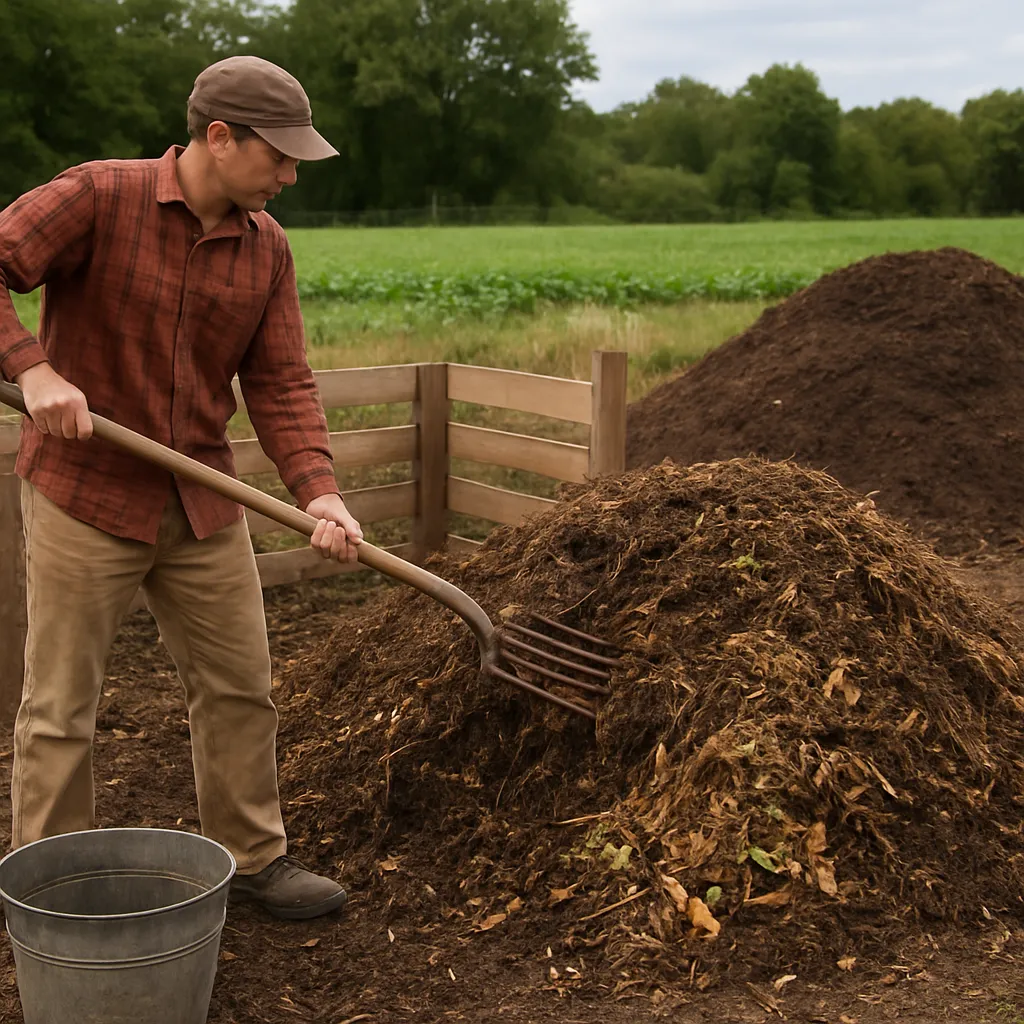
- Composting: Convert solid waste into fertilizer for pastures.
Animal Selection and Health
Your herd is the heart of the operation. Selecting the right breeds, implementing strong health protocols, and ensuring proper nutrition are non-negotiable for long-term success.
Breed Choice
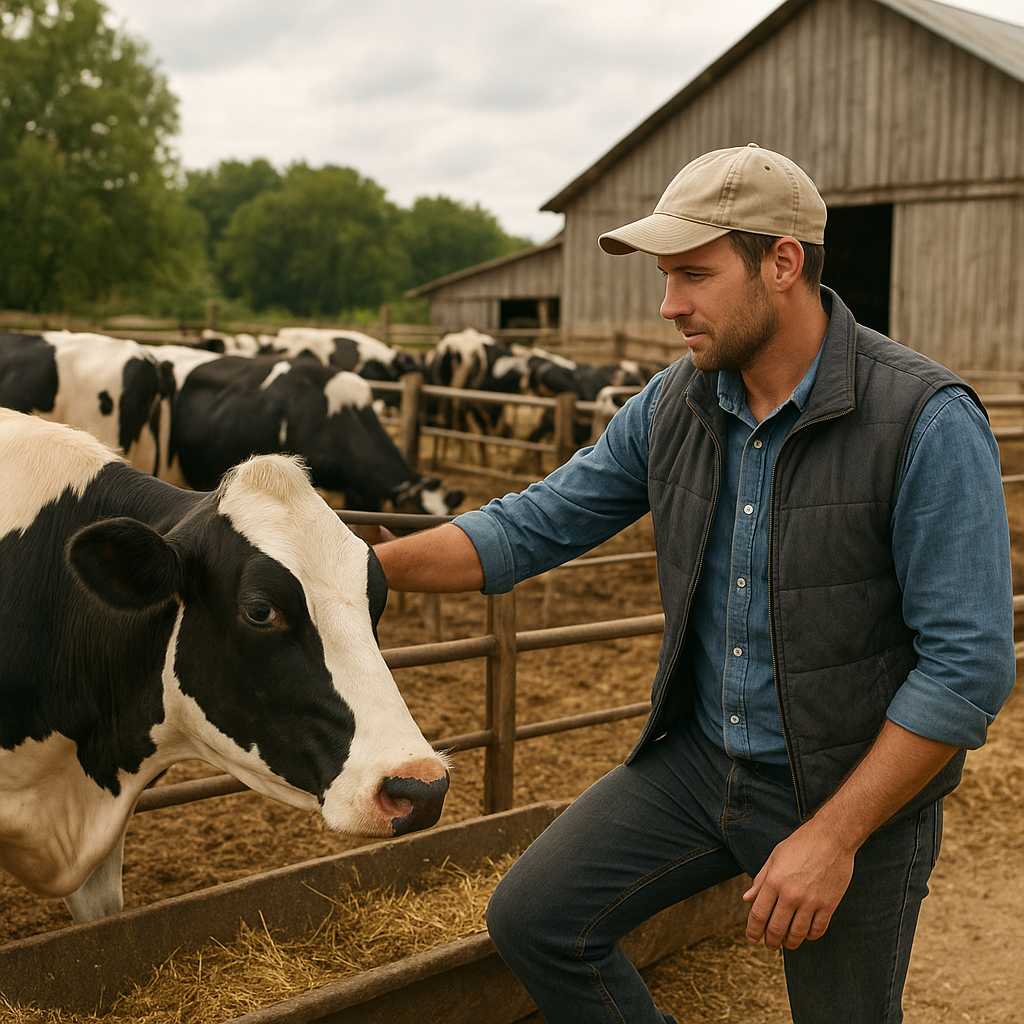
- Holstein: High volume milk producers, ideal for liquid milk operations.
- Jersey: Rich-fat milk suited for cream and cheese production.
- Crossbreeds: Hybrid vigor can improve health and fertility.
Health Management
Develop a relationship with a livestock veterinarian. Key practices include:
- Vaccinations: Prevent common diseases like mastitis and bovine respiratory disease.
- Deworming: Scheduled treatments to control internal parasites.
- Regular Checkups: Monitor body condition scores and detect issues early.
Nutrition and Feeding
Balanced rations support milk yield and reproductive performance. Work with a nutritionist to formulate diets that incorporate:
- Forages: High-quality hay and pasture grasses.
- Concentrates: Grains and protein meals to meet energy needs.
- Minerals and Vitamins: Essential for bone strength and metabolic health.
Daily Management and Milking Routines
Consistent routines improve animal welfare, milk quality, and labor efficiency. Establish clear Standard Operating Procedures (SOPs) for all tasks.
Feeding Schedule
- Twice-Daily or Total Mixed Rations (TMR): Ensure uniform nutrient intake.
- Monitoring Intake: Track feed refusals to adjust rations promptly.
Milking Process
A consistent management routine reduces stress and yields better milk:
- Pre-Milking Prep: Udder cleaning and stimulation.
- Machine Attachment: Gentle and secure to avoid teat damage.
- Post-Milking Care: Apply teat dip to prevent infections.
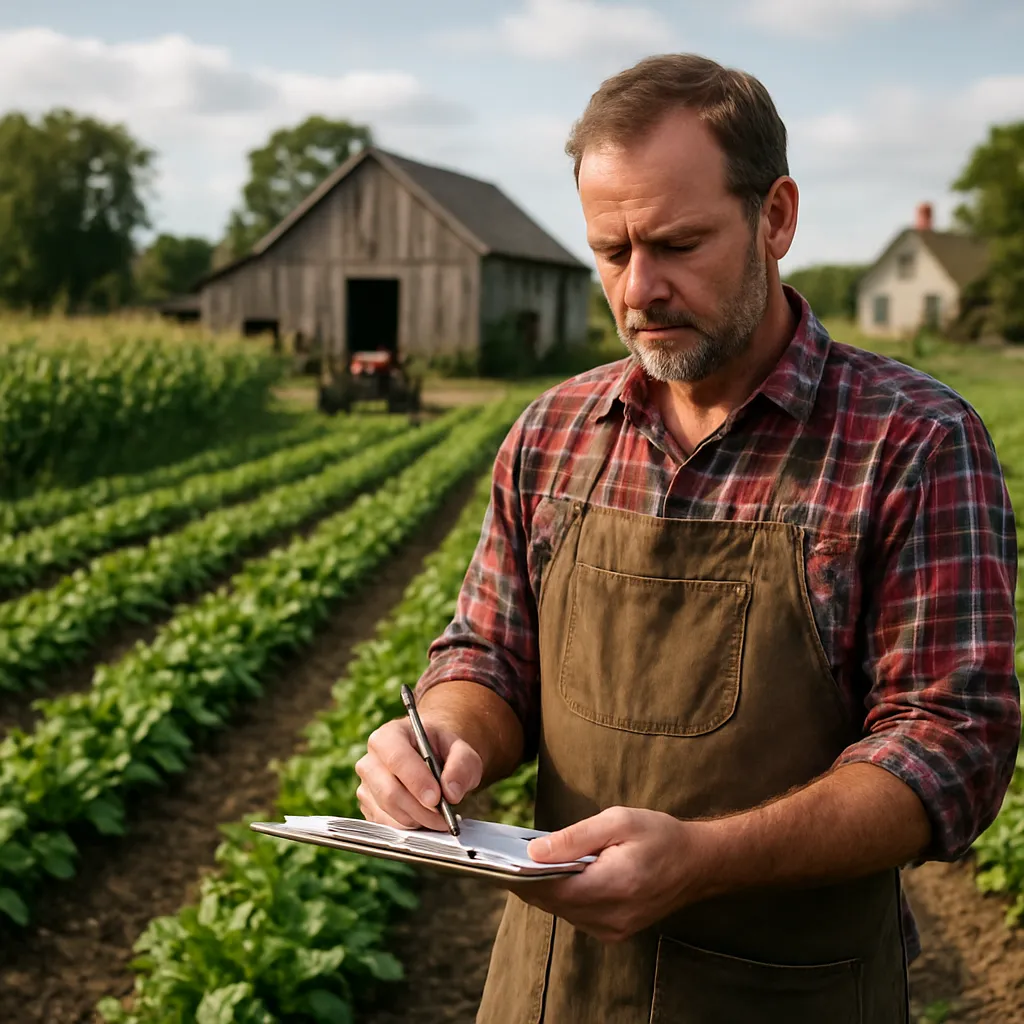
Record Keeping
Detailed records enhance decision-making and traceability:
- Milk Production Logs: Daily yields per animal.
- Breeding Records: Heat detection and artificial insemination dates.
- Health Files: Treatments, vaccinations, and vet visits.
Marketing and Financial Management
Turning your milk into profit requires strategic marketing and diligent financial oversight. Diversifying revenue streams can buffer against market fluctuations.
Product Diversification
- Fluid Milk: Wholesale contracts or local delivery programs.
- Value-Added Goods: Cheese, yogurt, ice cream, and butter.
- On-Farm Sales: Farm stand or CSA (Community Supported Agriculture) boxes.
Branding and Customer Relations
- Labeling: Comply with food safety and nutritional labeling requirements.
- Online Presence: Website, social media, and local directories to attract customers.
- Farm Tours: Offer educational visits to build community engagement.
Financial Tracking
Maintaining profitability depends on clear financial insights:
- Expense Monitoring: Track feed, veterinary, labor, and utility costs.
- Revenue Analysis: Compare product lines and sales channels.
- Budget Adjustments: Reforecast based on seasonal or market changes.
Risk Management
- Insurance: Coverage for livestock, property, and liability.
- Contingency Plans: Backup power, emergency water supply, and veterinary contacts.
- Regulatory Compliance: Stay current with food safety audits and environmental regulations.
Scaling and Sustainability
As your farm grows, focus on continuous improvement and responsible resource use. Integrating renewable energy, precision feeding, and rotational grazing enhances sustainability and long-term profitability.
Rotational Grazing Systems
- Pasture Division: Move cows regularly to fresh paddocks.
- Forage Diversity: Plant a mix of grasses and legumes for soil health.
- Rest Periods: Allow regrowth for nutrient cycling.
Renewable Energy and Efficiency
- Solar Panels: Power pumps, lights, and milking machines.
- Energy-Efficient Equipment: Invest in high-efficiency motors and LED lighting.
- Water Conservation: Rainwater harvesting and efficient irrigation.
Continuous Learning
Join farming cooperatives, attend workshops, and subscribe to agricultural journals to stay updated on innovations in dairy farming. Networking with experienced farmers can offer practical insights and support.