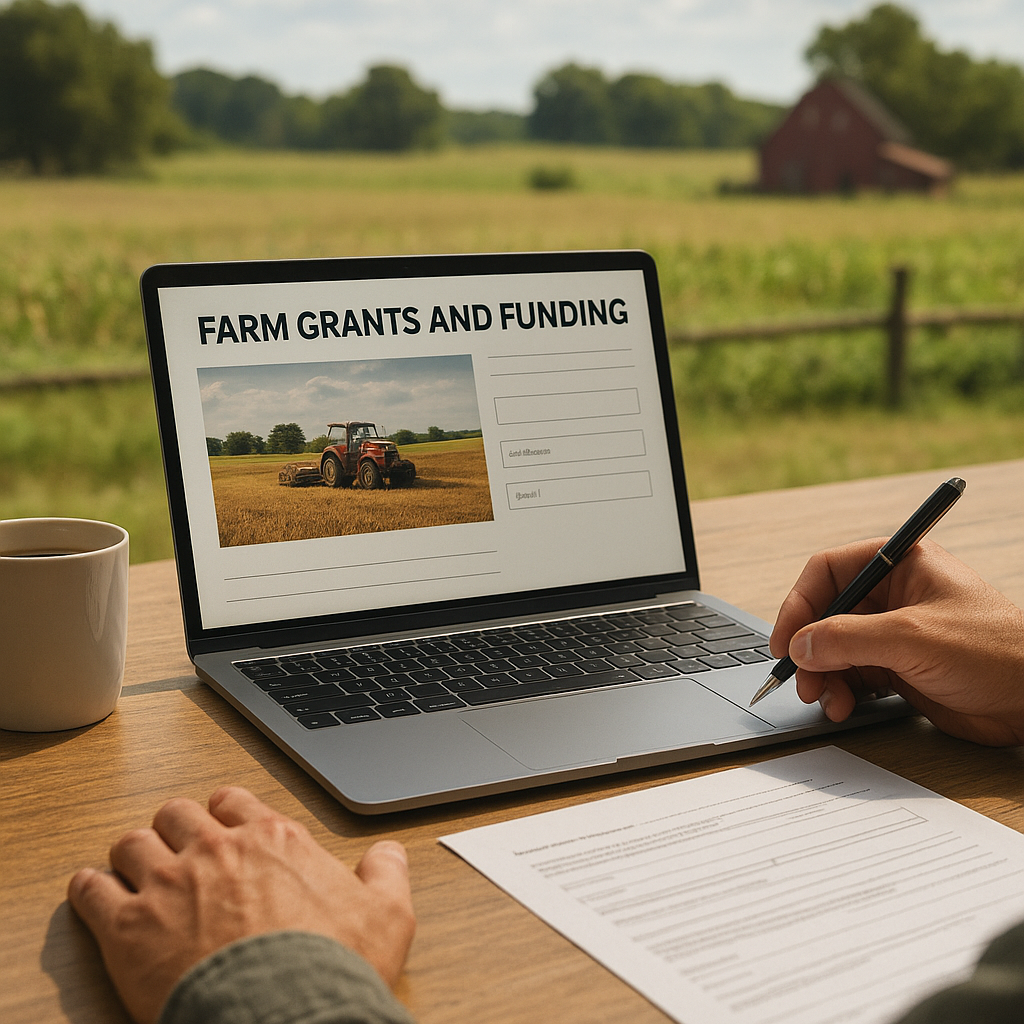
Accessing public and private funding can transform how a farm operates, whether you manage a small family plot or a large agricultural enterprise. Applying for grants requires detailed planning, precise documentation, and an understanding of each program’s unique criteria. This guide breaks down the process into clear steps so you can pursue the financial support needed for growth and innovation.
Understanding Farm Grants and Funding
Farm grants are non‐repayable awards designed to support agricultural projects, research, and rural development. Unlike loans, grants eliminate the burden of debt but often come with strict requirements. Recognizing available sources and program objectives is the first step toward a successful application.
Types of Grants
- Research and Development Grants: Fund projects that drive innovation in crop varieties, soil health, or pest management.
- Conservation Programs: Support initiatives aimed at land preservation, water quality, and wildlife habitat restoration.
- Infrastructure and Equipment Grants: Provide money for purchasing tractors, irrigation systems, or equipment upgrades.
- Value‐Added Production Grants: Help farmers process raw products into higher‐value goods, like turning milk into cheese.
- Rural Business Development Grants: Encourage diversification by funding agritourism ventures, on‐farm stores, or niche markets.
Key Providers
- Government Agencies: Federal departments such as the U.S. Department of Agriculture (USDA) or state agricultural offices.
- Nonprofit Organizations: Foundations focused on sustainable agriculture, community development, or food security.
- Corporate Sponsors: Agribusiness corporations offering funding for pilot projects or research collaborations.
- Academic Institutions: Universities that partner with farmers on experiments and field trials.
Identifying Eligibility Criteria
Determining whether you meet the eligibility standards is crucial before investing time in an application. Funding bodies maintain stringent compliance requirements that vary by program, so a thorough review of guidelines can prevent wasted effort.
General Requirements
- Farm Size and Type: Some grants target small or beginning farmers, while others favor large commercial operations.
- Geographic Location: Funding may be region‐specific, focusing on rural development in certain states or counties.
- Ownership Structure: Eligibility often depends on whether the farm is sole proprietorship, partnership, LLC, or cooperative.
- Production Practices: Organic certification, conservation plans, or integrated pest management protocols can influence eligibility.
Specific Program Criteria
Each grant program will have its own specialized prerequisites. For example:
- Young Farmer Grants: Age limits typically between 18–40, plus proof of hands‐on farm experience.
- Conservation Funding: Requirement to submit a Nutrient Management Plan or Soil Conservation Plan.
- Value‐Added Producer Grants: Must demonstrate sufficient market demand and a business plan outlining revenue projections.
- Equity Focused Grants: Certain programs prioritize minority, veteran, or women farmers.
Preparing Your Application Materials
A well‐structured package improves your chances of approval. Applications often demand detailed narratives, financial statements, and supporting documents. Adhering to each funder’s instructions demonstrates your strategic approach and attention to detail.
Writing a Strong Proposal
- Project Description: Clearly outline objectives, methods, and expected outcomes. Use measurable goals like acres restored or yield increases.
- Budget Breakdown: Include all costs—labor, materials, equipment, and overheads. Justify each line item to show cost‐effectiveness.
- Timeline: Provide a realistic schedule with milestones for planning, implementation, and reporting phases.
- Impact Statement: Explain how your project advances sustainability, enhances food security, or strengthens local communities.
Gathering Essential Documents
Most applications require a bundle of formal paperwork. Keep digital and physical copies well organized:
- Tax Returns: Typically two to three years of farm and personal returns.
- Business Plan: A comprehensive document detailing operations, marketing strategies, and financial projections.
- Operating Agreements: Partnership or LLC documents that prove legal structure.
- Conservation Plans or Permits: If applying for environmental funding, include approved plans from extension agents or conservation districts.
- Letters of Support: References from local extension officers, community leaders, or previous grant providers add credibility.
- Proof of Ownership or Lease: Land deed or lease agreement to confirm entitlement to the property.
Submitting Your Proposal and Follow-up
Submission is more than a click of the “send” button. Successful applicants manage deadlines, maintain communication with funders, and prepare for post‐award requirements.
Meeting Deadlines and Guidelines
- Online Portals vs. Mail: Verify if physical copies are required or if electronic submission suffices.
- Formatting Rules: Follow page limits, font sizes, and margin specifications to ensure review panels can read your materials.
- Confirmation Receipts: Save email confirmations or tracking numbers as proof of submission.
- Pre‐Application Webinars: Attend informational sessions to clarify questions and network with program officers.
After Submission: Next Steps
- Follow‐Up Inquiries: Respectfully check on application status but avoid excessive contact.
- Site Visits: Some programs conduct on‐farm inspections. Prepare to showcase your operation and discuss project details.
- Review Feedback: If your application is declined, request reviewer comments to strengthen future proposals.
- Grant Management: Once funded, maintain accurate records, submit interim reports on time, and track how funds are spent.
- Building partnerships: Cultivate relationships with local extension services and peer networks for technical assistance and collaborative opportunities.