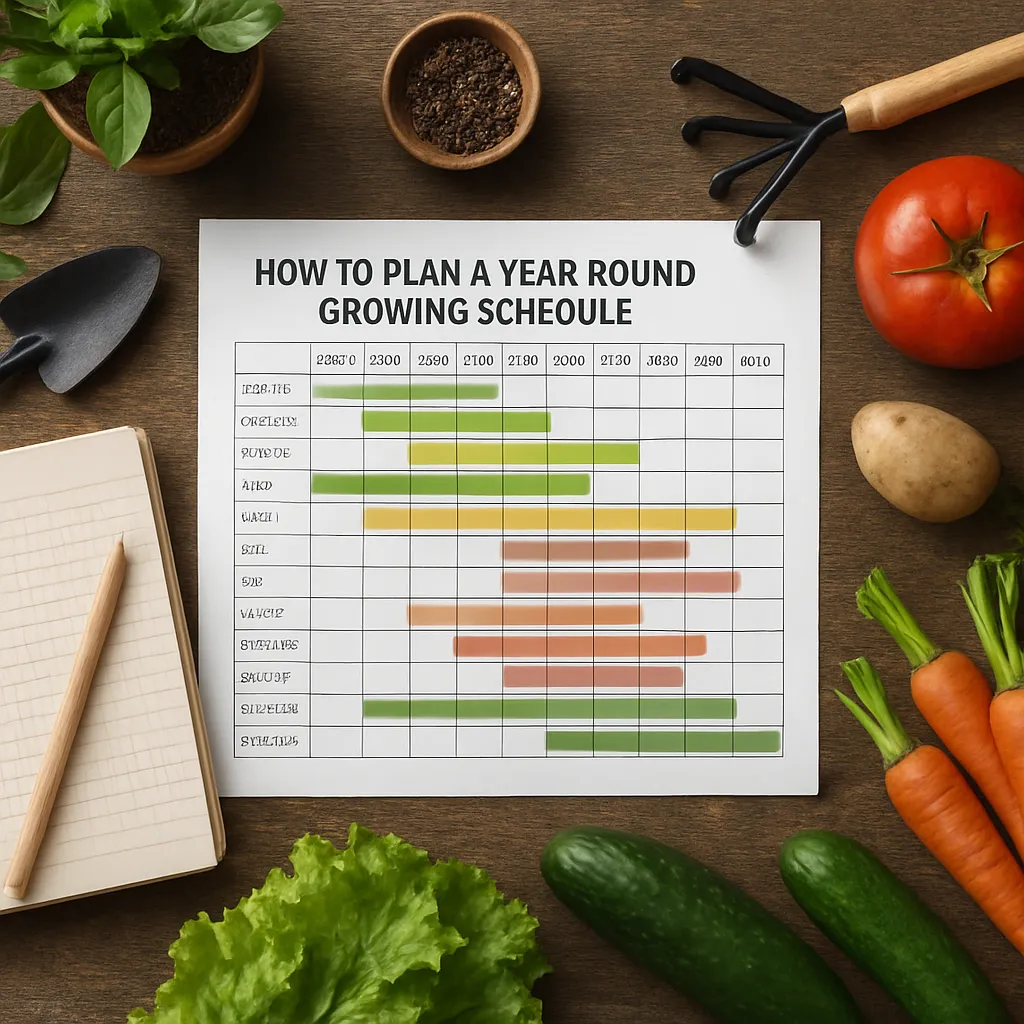
Farmers juggle many responsibilities each day, from monitoring livestock to tending crops, while also navigating weather uncertainties and market fluctuations. Balancing these demands with personal life can be overwhelming, yet developing effective coping mechanisms and establishing clear routines promotes long-term success. This article explores practical approaches to support emotional health, improve productivity, and maintain a sustainable rhythm on and off the land.
Understanding Farm Stress and Its Sources
Farming involves a constant interplay of variables that can lead to unpredictable pressure. Unfavorable weather events, equipment breakdowns and unstable commodity prices contribute to a climate of chronic tension. Recognizing the triggers of anxiety is the first step toward building resilience. Stress can manifest as difficulty sleeping, irritability, or a sense of helplessness. When left unchecked, these symptoms not only reduce performance but can also strain family relationships.
Economic pressures amplify worries: loans, input costs and payroll create a backdrop of financial risk. Seasonal peaks, such as harvest time, demand extended hours, disrupting routines and leading to fatigue. In remote areas, social isolation may deepen feelings of overwhelm, depriving farmers of readily available outlets. By mapping out the main stressors—environmental, operational and personal—you can target specific relief strategies.
Strategies for Effective Time Management
Efficient scheduling helps preserve crucial pockets of downtime. Implementing a daily plan fosters prioritization of high-impact tasks and ensures essential chores are completed without last-minute rush. Start by listing activities in order of urgency and importance, then assign realistic time slots. Allocate buffer periods to absorb unexpected issues, such as breakdowns or sudden weather changes.
Weekly and Daily Planning
- Use a planner or digital calendar to block out work phases and personal breaks.
- Group similar tasks—animal feeding, equipment checks, paperwork—to minimize setup time.
- Include non-negotiable slots for meals, exercise and rest.
Adopting a “theme day” approach, where specific days focus on particular responsibilities, can streamline decision-making and reduce mental clutter. For example, designate Tuesdays for equipment maintenance and Thursdays for market research. Such patterns foster predictability, making it easier to carve out leisure periods.
Establishing Healthy Boundaries
Clearly defined boundaries guard against overcommitment and burnout. Communicate your working hours to family members, suppliers and contractors. When the day’s tasks are complete, resist the urge to tackle additional farm duties, allowing time for relaxation and connection. Turning off work-related notifications after a set hour can reinforce these limits.
Cultivating Mental Health and Well-being
Promoting a culture of self-care on the farm is as essential as soil fertility or animal welfare. Mental fitness routines should become part of daily life. Techniques such as deep breathing, progressive muscle relaxation and short walks through pastures help alleviate acute stress. Over time, these habits support greater mindfulness, enabling you to remain present and responsive rather than reactive.
- Practice gratitude by jotting down three positive moments each evening.
- Engage in light physical activities unrelated to farm labor, such as yoga or cycling.
- Seek professional guidance when feelings of despair or anxiety persist beyond a few weeks.
Maintaining proper nutrition and sleep schedules fuels both body and mind. Develop a simple evening ritual—reading, gentle stretching or listening to music—to signal the transition from work to rest. When sleep quality improves, cognitive clarity and emotional stability often follow.
Building Support Networks and Community
Farming can feel isolating, but tapping into a wider network provides emotional reinforcement and practical advice. Joining local cooperatives, online forums or agricultural workshops fosters a sense of community. Peers who understand the unique trials of farm life can offer empathy, share solutions and even collaborate on resource pooling.
Regular check-ins with neighbors or fellow producers can reduce loneliness. Organize informal gatherings or skill-sharing sessions to strengthen bonds and develop collective problem-solving skills. Family members should also be invited to participate in planning discussions, ensuring everyone is aligned and invested in both operational goals and personal well-being.
- Attend local farm bureau meetings or industry conferences.
- Participate in social media groups focused on sustainable agriculture.
- Volunteer with community events to expand your circle outside farming.
Leveraging Technology and Sustainable Practices
Integrating modern tools can lighten workloads and free up valuable personal time. Embrace automation in areas such as irrigation management, feeding systems and data collection. Automated sensors and remote monitoring enable you to address issues before they escalate, reducing emergency interventions and allowing scheduled downtime.
Implementing diversification in both crops and income streams spreads risk and stabilizes revenue. Consider adding value-added products, agritourism activities or renewable energy projects like solar installations. Diversified operations may require additional planning initially but often result in enhanced financial security and reduced stress over market swings.
Adopting holistic land management techniques—rotational grazing, cover cropping and integrated pest management—promotes long-term soil health. Healthier fields demand fewer chemical inputs and less intensive labor, enabling a more balanced workload and contributing to overall farm sustainability.