Managing farm pests effectively involves more than simply spraying chemicals across vast fields. Responsible approaches center on balancing economic viability, environmental stewardship, and long-term productivity. By combining careful observation, biological insights, and selective interventions, farmers can reduce crop losses while preserving soil, water, and beneficial organisms. The following sections explore essential principles and practical steps for adopting a holistic strategy that safeguards both yield and ecosystem health.
Understanding Pest Dynamics
Effective management begins with a thorough grasp of how pests interact with crops and their environment. Recognizing the life cycle, feeding habits, and population trends of injurious species enables timely interventions. Regular field checks, traps, and remote sensing tools help establish accurate monitoring records. When farmers maintain detailed logs of pest counts, weather conditions, and crop stages, they can predict outbreaks and calibrate responses to avoid unnecessary treatments.
Accurate Identification
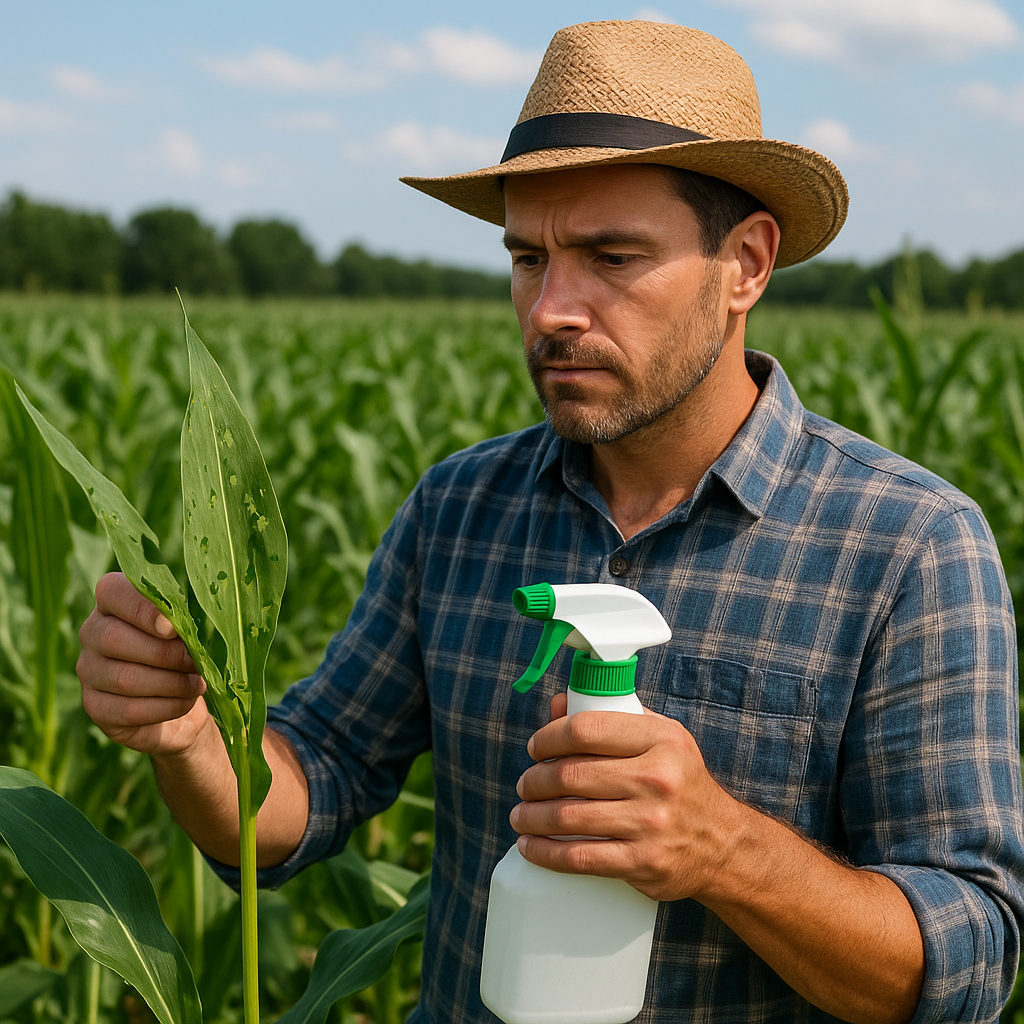
Not all small insects or larvae pose threats; misidentification can lead to wasted resources and harm to non-target organisms. High-resolution images, dichotomous keys, and collaboration with extension services ensure that growers target true pests rather than harmless or beneficial species. Digital apps and online databases further refine identification by comparing field samples to known specimens.
Economic Thresholds
Crops tolerate low pest densities without significant yield loss. Economic thresholds define the population level at which the cost of damage outweighs the cost of control. By applying the economic thresholds concept, farmers can avoid premature interventions and focus resources only when the pest pressure justifies action.
Implementing Integrated Pest Management
Integrated pest management (IPM) offers a structured framework that combines cultural, mechanical, biological, and chemical tactics. Rather than relying solely on synthetic pesticides, IPM uses a decision-making process that minimizes environmental impact and delays resistance buildup.
Cultural Controls
- Crop hygiene and removal of infested debris
- Strategic planting dates to avoid peak pest flights
- Use of resistant or tolerant crop varieties
- Crop rotation schemes to disrupt pest life cycles
By altering planting patterns year to year, pests lose their predictable food sources, leading to reduced populations without any chemical input.
Mechanical and Physical Barriers
- Traps, pheromone lures, and sticky cards
- Row covers and netting to exclude insects
- Soil solarization and heat treatments
Physical methods often serve as the first line of defense. Traps can lower pest numbers while providing valuable monitoring data. Covers shield seedlings from soil-borne pathogens and foliar feeders.
Biological Controls
Leveraging nature’s own pest regulators enhances resilience. Predators like lady beetles and lacewings, parasitoids such as Trichogramma wasps, and entomopathogenic nematodes suppress populations of damaging insects. Conservation of these allies involves planting flowering borders to supply nectar and pollen, refraining from broad-spectrum chemicals, and maintaining diverse habitats. Introducing commercially reared agents can augment local populations when native levels are insufficient.
Chemical Controls
When pest densities exceed established thresholds and other methods prove inadequate, targeted use of chemical pesticides becomes necessary. Choosing products with minimal non-target impact and applying them with precision equipment reduces drift and run-off. Following label instructions carefully and rotating modes of action helps prevent resistance. Integrating resistance management strategies ensures that active ingredients remain effective over time.
Enhancing Sustainable Practices
Beyond direct pest interventions, fostering a robust agroecosystem strengthens crop defenses naturally. Healthy soils, balanced nutrition, and biodiversity form the foundation of long-term pest suppression and yield stability.
Soil Health and Nutrition
A fertile, well-structured soil supports vigorous crop growth that resists pest invasion more effectively than stressed plants. Practices such as reduced tillage, cover cropping, and organic amendments build soil organic matter, enhance microbial communities, and improve water retention. By prioritizing soil health, farmers promote root development and plant vigor, indirectly lowering susceptibility to root feeders and stem borers.
Habitat Management
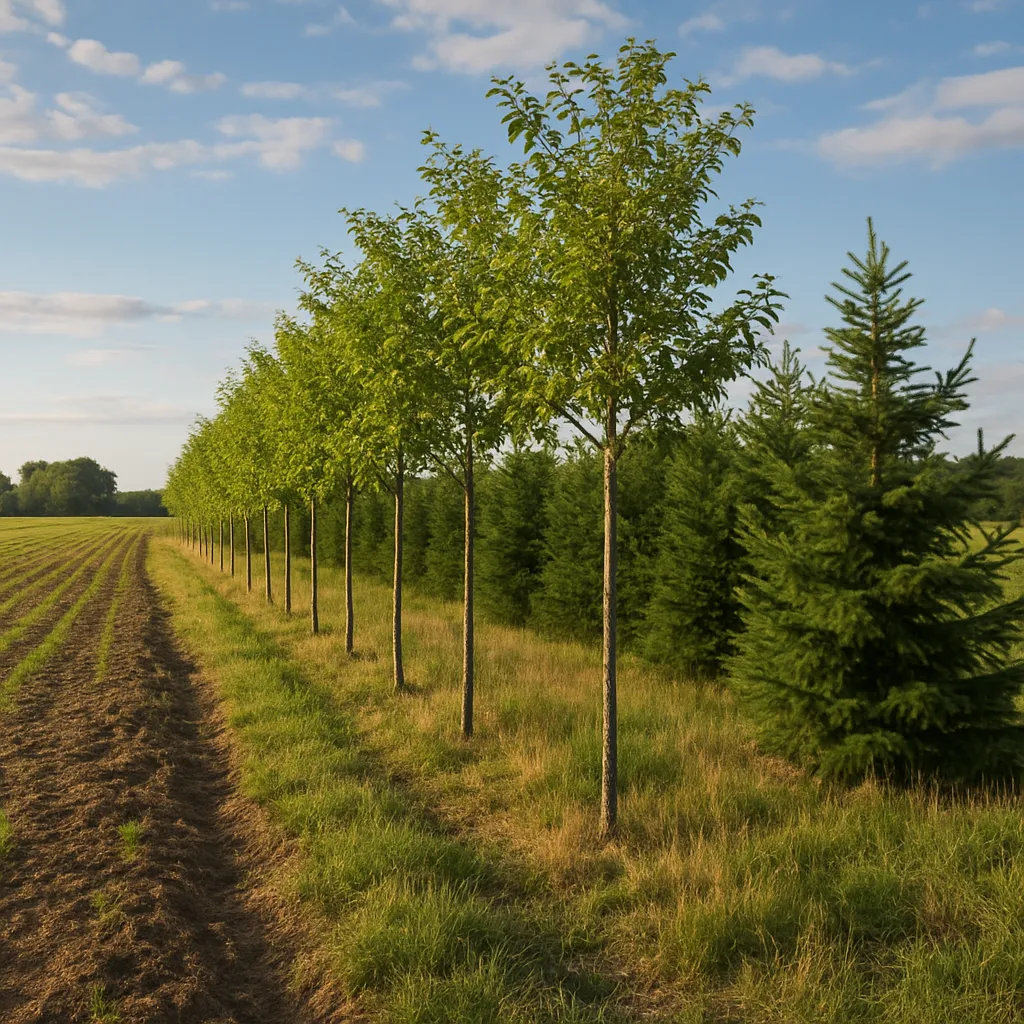
Creating refuges for natural enemies and pollinators strengthens on-farm ecology. Field margins planted with wildflowers, grasses, and shrubs provide nesting sites and alternative prey. Buffer strips along watercourses mitigate pesticide runoff while hosting beneficial insects. Such features fit within a broader landscape-level approach to sustainable farming.
Use of Biopesticides and Plant Extracts
Derived from microorganisms, plants, or minerals, biological controls and biopesticides offer selective toxicity against pests with minimal residual impact. Products based on Bacillus thuringiensis, Beauveria bassiana, neem extracts, and various essential oils can be integrated into spray schedules. Their specificity preserves pollinators and natural enemies, contributing to a balanced agroecosystem.
Technology and Precision Agriculture
Advances in sensors, drones, and data analytics enable site-specific applications. Variable-rate sprayers adjust chemical or biological inputs to the precise area of need, reducing volume and environmental footprint. Remote monitoring systems detect early infestation hotspots, prompting prompt localized responses rather than field-wide treatments.
Building Capacity and Collaboration
Knowledge sharing and ongoing education underpin effective pest management. Farmers benefit from workshops, extension services, and farmer-to-farmer networks that disseminate best practices and emerging research. Collaborative trials on demonstration plots showcase integrated strategies in action. By fostering a community of practice, growers can adapt to evolving pest challenges and regulatory changes.
Record-Keeping and Evaluation
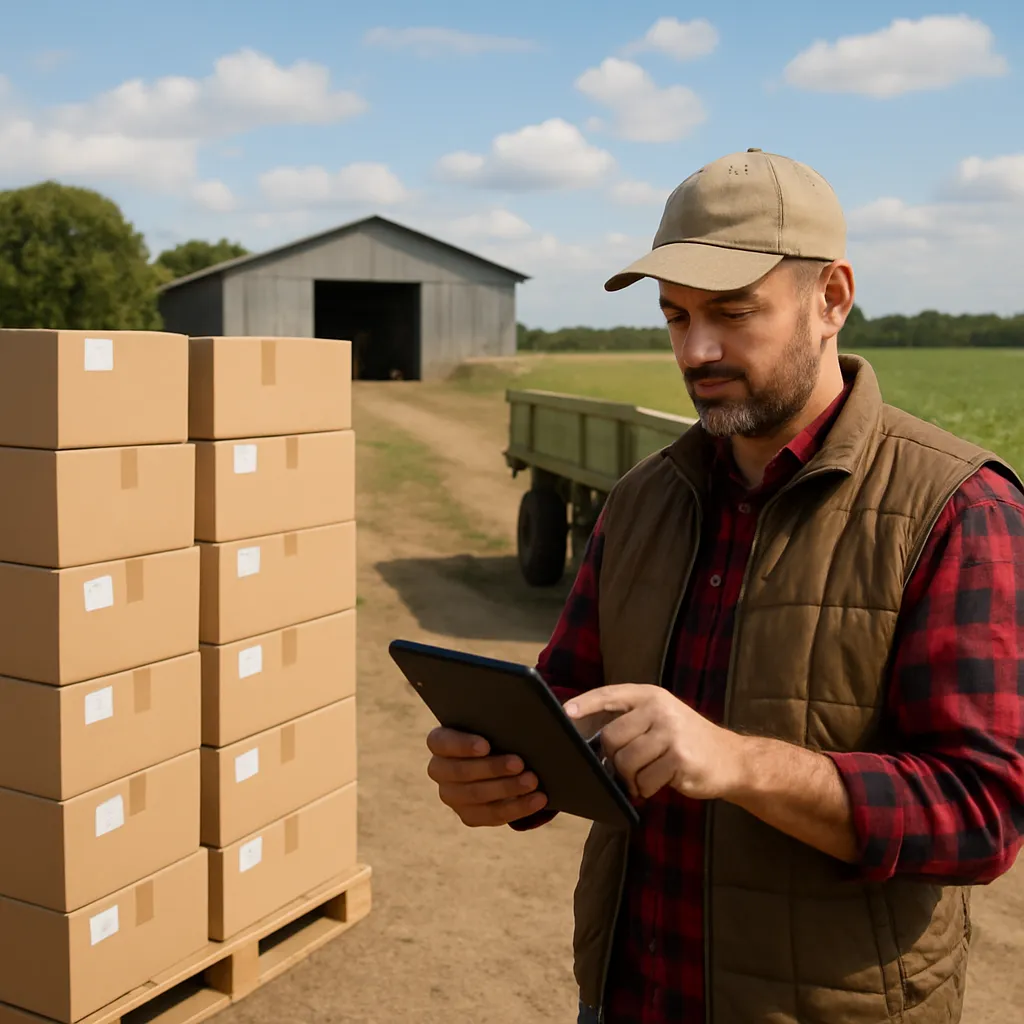
Maintaining detailed logs of all interventions, pest observations, and yield outcomes helps refine future decisions. Regular evaluation of control efficacy and economic performance ensures that resources are allocated to the most impactful tactics. Data-driven adjustments improve both short-term results and long-term resilience.
Regulatory Compliance and Certifications
Adhering to local and international guidelines for pesticide use, worker safety, and environmental protection is essential. Many markets require certification for integrated or organic production. Meeting these standards not only facilitates access to premium markets but also reinforces commitment to responsible stewardship.
Continuous Improvement
Pest complexes and climate conditions change over time. Adopting a adaptive management mindset, where strategies are regularly reviewed and updated based on new information, ensures ongoing effectiveness. Embracing innovation and staying informed about emerging tools—such as gene-silencing agents or updated pheromone technologies—keeps farms at the forefront of responsible pest management.