Effective water management on agricultural land is crucial for maintaining productivity and reducing environmental impact. By implementing practical strategies to recycle water, farmers can address water scarcity, improve crop yields, and minimize waste. This article explores the methods and technologies available to reclaim and reuse water, ensuring that every drop contributes to a thriving farm ecosystem.
Water Sources and Collection Strategies
Before treating or reusing water, it is essential to identify and gather potential sources on the farm. Proper collection methods not only maximize available water but also ensure that the quality remains suitable for various applications.
Rainwater Harvesting
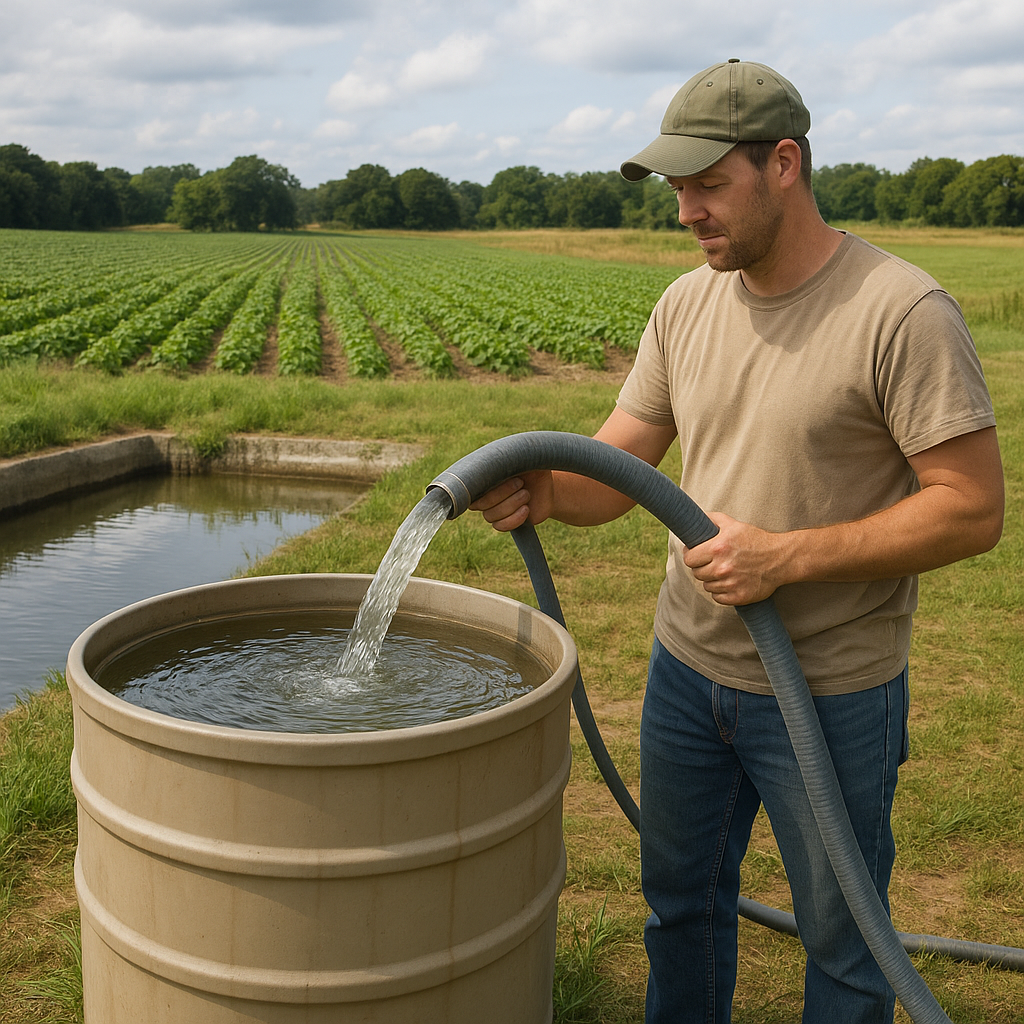
Capturing runoff from roofs, greenhouses, and other impermeable surfaces offers a reliable supply of relatively clean water. Install gutters and downspouts that channel water into storage tanks or ponds. To prevent contamination, include first-flush diverters that remove debris and dust before water enters the main reservoir. Collected rainwater can serve for irrigation, livestock watering, and equipment cleaning.
Graywater Reuse
Graywater—wastewater from sinks, showers, and washing machines—represents a valuable resource. Implementing simple filtration and disinfection steps can transform household graywater into a medium for watering ornamental plants or non-edible crops. Key components include:
- Preliminary filters to remove hair and large particles
- Biological treatment, such as constructed wetlands or gravel beds
- Chlorination or UV disinfection for pathogen control
Graywater systems must comply with local regulations and avoid contaminating groundwater or edible produce fields.
Livestock Effluent Collection
Animal housing facilities generate significant volumes of wastewater rich in nutrients. Collecting and storing effluent in lined lagoons or tanks prevents runoff into sensitive areas. Settling basins allow solids to separate from liquid, creating two usable streams:
- Solid manure for compost or bedding
- Liquid fraction for irrigation after treatment
On-Farm Water Treatment Techniques
Treated water must meet quality standards for its intended use. Various physical, chemical, and biological methods can be deployed cost-effectively.
Sand and Biosand Filters
Sand filtration is a low-tech yet effective solution to remove suspended solids. Biosand filters add a biological layer where beneficial microorganisms degrade organic matter. Key design features include:
- A graded sand bed for physical straining
- A layer of gravel to support the sand
- An anaerobic zone for pathogen reduction
Periodic maintenance involves removing the top sand layer and rinsing to restore flow rates.
Membrane Separation
Advanced membrane technologies such as ultrafiltration and reverse osmosis can achieve high purity levels. While initial capital costs are higher, membranes are versatile for:
- Removing salts and chemical contaminants
- Recycling process water in dairy and crop processing
- Producing potable water from marginal sources
Membrane systems require pre-treatment to prevent fouling and regular cleaning protocols to maintain performance.
Constructed Wetlands
Emulating natural marshes, constructed wetlands treat wastewater through plant uptake and microbial degradation. Shallow basins planted with reeds or cattails slow water flow, allowing sediments to settle and pollutants to break down. Benefits include:
- Low energy requirements
- Habitat creation for wildlife
- Visual integration into the landscape
Integrating Recycled Water into Farm Operations
After treatment, recycled water can support multiple farm activities, reducing pressure on freshwater resources and cutting operational costs.
Irrigation Practices
Matching water quality to crop tolerance ensures optimal growth and prevents soil salinization. Strategies include:
- Drip irrigation systems that deliver water precisely to the root zone, enhancing efficiency and minimizing evaporation
- Scheduling watering based on soil moisture sensors
- Alternating recycled water with freshwater to flush salts from the root zone
Animal Care and Housing
Recycled water can fulfill non-potable needs in barns and pens. Use treated graywater or lagoon water for floor scrubbing and yard washing. Provide fresh water for drinking, but consider using nutrient-rich effluent for cleaning to recycle organic matter back onto fields through irrigation.
Crop Processing and Washing
Fruits and vegetables often require multiple rinsing steps during harvest and packing. Closed-loop systems capture wash water in holding tanks, then pass it through sedimentation and disinfection units. This closed-loop approach conserves water and maintains hygiene standards.
Economic and Environmental Benefits
Investing in water recycling infrastructure yields long-term returns. Key advantages include:
- Reduced freshwater procurement costs
- Lower energy consumption compared to pumping from distant sources
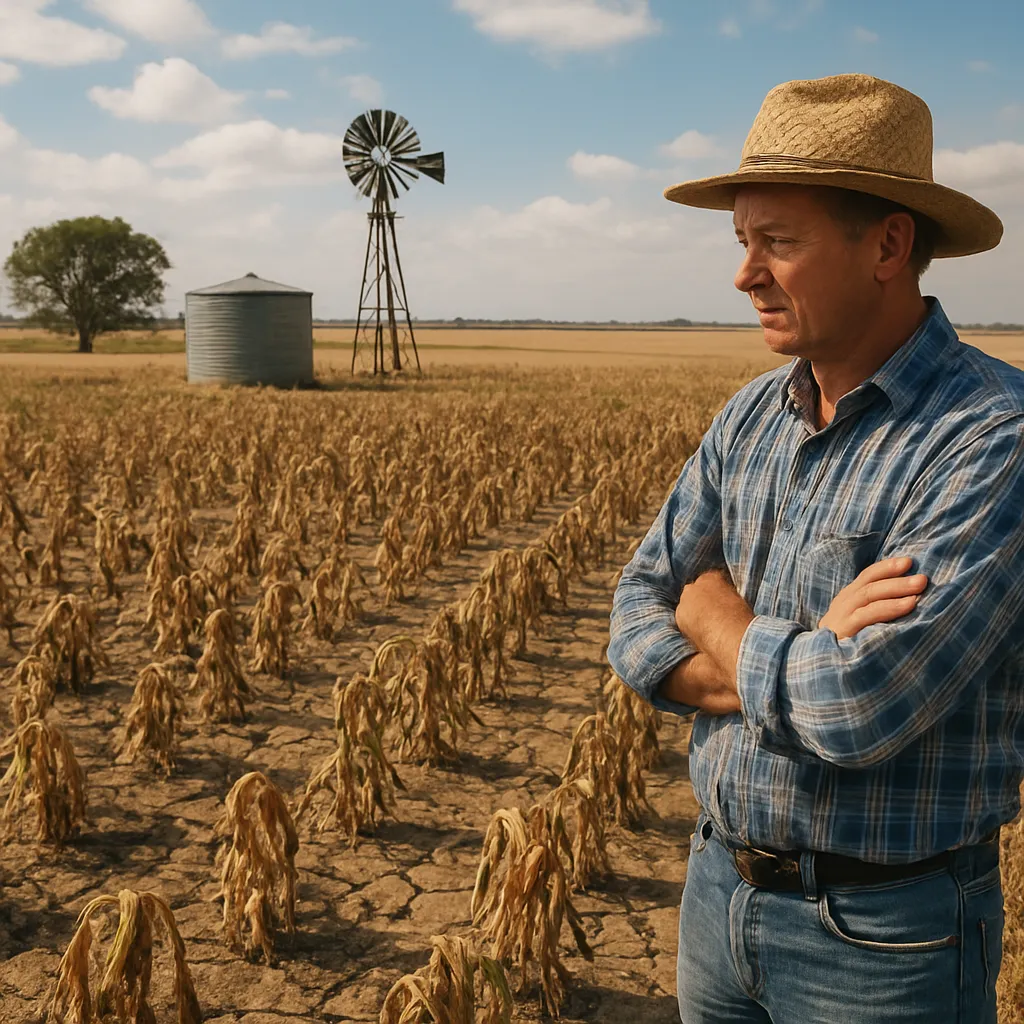
- Mitigated risk of drought-induced production losses
- Enhanced soil health through nutrient recycling
- Decreased environmental footprint and improved sustainability credentials
Grants and incentive programs are often available to support capital investments in water recycling technologies, making adoption more accessible for farms of all sizes.