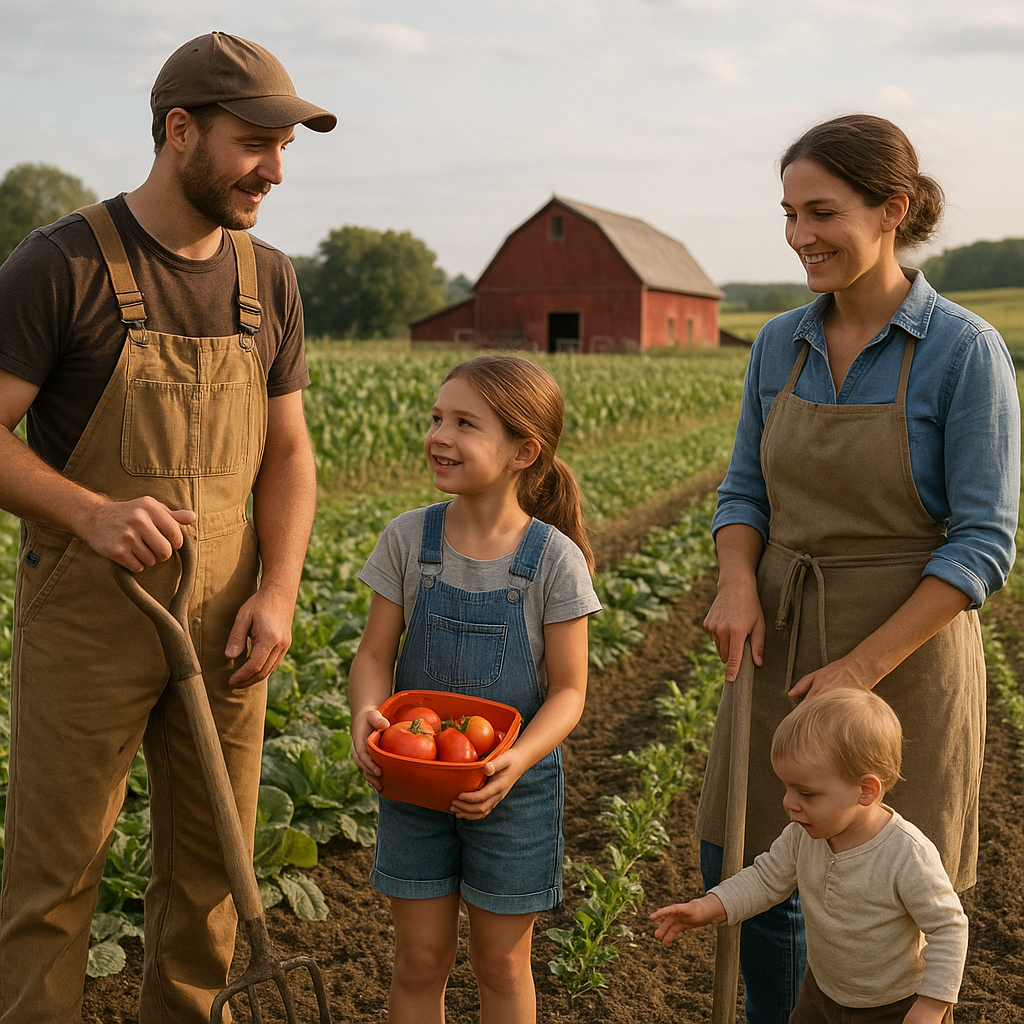
Embarking on the journey of building a family farm blends generational wisdom with modern practices to create a thriving, multi‐generational enterprise. This path requires careful attention to land, resources, and market demands, balanced by a genuine passion for stewardship and growth. By focusing on key principles such as sustainability and adaptive management, you can lay the groundwork for a resilient operation that benefits both your family and the broader community.
Planning the Foundation of Your Family Farm
Every successful farm begins with strong intentions and a clear roadmap. Start by defining your long‐term vision: Do you want a small hobby farm, or a commercial operation that supplies regional markets? Understanding your goals allows you to align resources, labor, and capital efficiently. Conduct thorough market research to discover local demands for produce, specialty crops, or animal products. Investigate zoning laws, water access rights, and potential environmental restrictions. Engage in sound financial planning by preparing detailed budgets, forecasting expenses, and securing contingency funds. By mapping out anticipated startup costs—equipment, seeds, fencing, and infrastructure—you’ll be better prepared to seek loans or grants from agricultural agencies.
Next, consider land evaluation. Soil tests reveal nutrient levels, pH, and texture, guiding decisions on amendments and crop selection. Topography and drainage patterns affect irrigation design and erosion control measures. When selecting land, prioritize areas with reliable water sources, proximity to roads and markets, and potential for future expansion. If purchasing isn’t viable, explore lease agreements that include maintenance obligations and renewal options. Always examine historical land use to anticipate pest pressures or residual chemicals that could impact organic production goals.
Building a Sustainable Operation: Soil, Water, and Crop Management
Healthy soil is the cornerstone of any productive farm. Implementing crop rotation minimizes pest build‐up, improves nutrient cycling, and enhances soil structure. Introduce cover crops such as legumes and grasses during off-season periods to prevent erosion and lock in nitrogen. Apply compost and organic matter to boost microbial activity and water retention. Regularly monitor soil moisture using sensors or simple probes to determine optimal irrigation schedules. Efficient water management reduces waste, lowers costs, and promotes plant vigor.
Adopt integrated pest management (IPM) strategies to keep chemical inputs minimal. Encourage natural predators, establish insect traps, and practice field sanitation to control outbreaks. When pesticides are necessary, choose targeted solutions with minimal environmental impact. In orchards or horticultural setups, prune and train trees to improve airflow, reduce disease incidence, and simplify harvest operations.
Diversification and Market Strategies
Diversification increases profitability and reduces risk by spreading income across multiple revenue streams. Consider combining crop cultivation with livestock operations, on-farm processing, agritourism, or value-added products like jams, cheeses, and artisanal breads. Rotational grazing systems can enhance pasture productivity while supplying manure to fertilize fields. Poultry or small ruminants may integrate well into mixed systems, providing eggs, meat, and wool for local craft markets.
Develop a strong brand identity that highlights unique qualities—organic certification, heirloom varieties, or regenerative practices. Direct marketing through farmers markets, community-supported agriculture (CSA) programs, and on-site farm stands fosters customer loyalty. Leverage digital tools—social media, a farm website, and email newsletters—to tell your story, showcase daily activities, and announce special events. Establish partnerships with local restaurants or cooperatives to secure wholesale contracts and steady demand.
Embracing Technology and Innovation
Modern technology can elevate efficiency and ensure consistent quality across all farm operations. Automated irrigation controllers, solar-powered pumps, and precision planting equipment reduce labor and resource waste. Invest in farm management software to track budgets, field activities, and harvest yields in real time. Drones offer aerial scouting capabilities to identify stressed crops, monitor livestock movement, and assess fencing integrity.
Biotech advances enable breeders to select varieties with improved drought tolerance, disease resistance, and nutritional value. Controlled-environment agriculture, such as high tunnels and greenhouses, extends growing seasons and protects against extreme weather. Experiment with hydroponic or aquaponic systems to grow leafy greens and herbs in tight spaces, generating year-round income.
Strengthening Community Bonds and Knowledge Exchange
Farming is inherently a communal activity. Networking with neighboring farmers, extension agents, and agricultural organizations fosters idea sharing and mutual support. Join local farm bureaus, cooperative alliances, or producer boards to access workshops, grants, and group marketing opportunities. Attend conferences and field days to stay updated on best practices, technological breakthroughs, and regulatory changes.
Engage consumers through educational farm tours, workshops, and volunteer programs. Welcoming guests on your land builds trust and appreciation, turning casual visitors into loyal customers. Schools and youth organizations often seek hands-on agricultural experiences; partnering with them cultivates future generations of farmers and conscientious eaters.
Building Resilience and Future-Proofing Your Farm
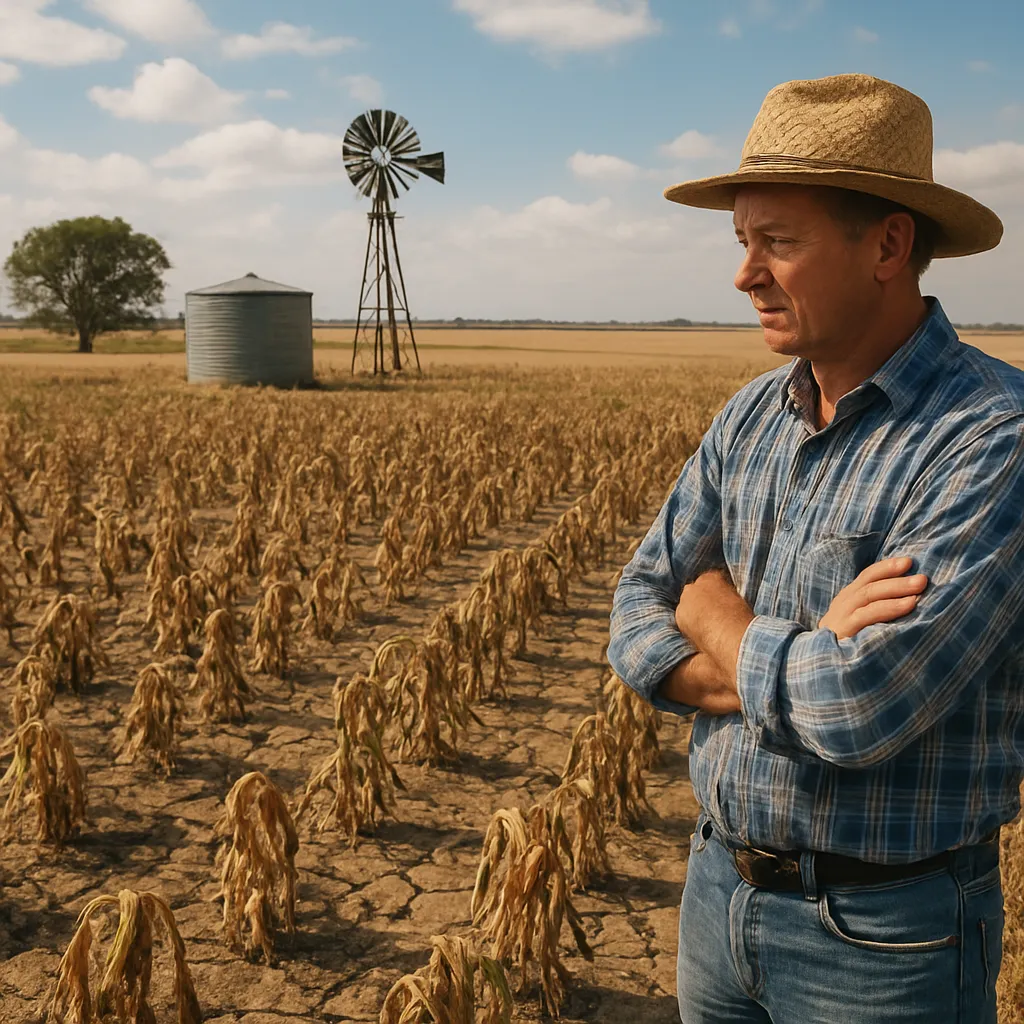
Resilience means preparing for uncertainties—from volatile commodity prices to unpredictable climate events. Create emergency response plans for floods, droughts, or disease outbreaks. Maintain diversified income sources and reserve funds to cover unexpected costs. Insure critical assets like equipment, livestock, and infrastructure against natural disasters.
Succession planning ensures that the farm legacy continues through family or trusted managers. Document operational procedures, financial records, and land tenure arrangements. Establish fair and transparent frameworks for transferring ownership, roles, and responsibilities among generations. This foresight prevents disputes and safeguards the viability of the enterprise for decades to come.