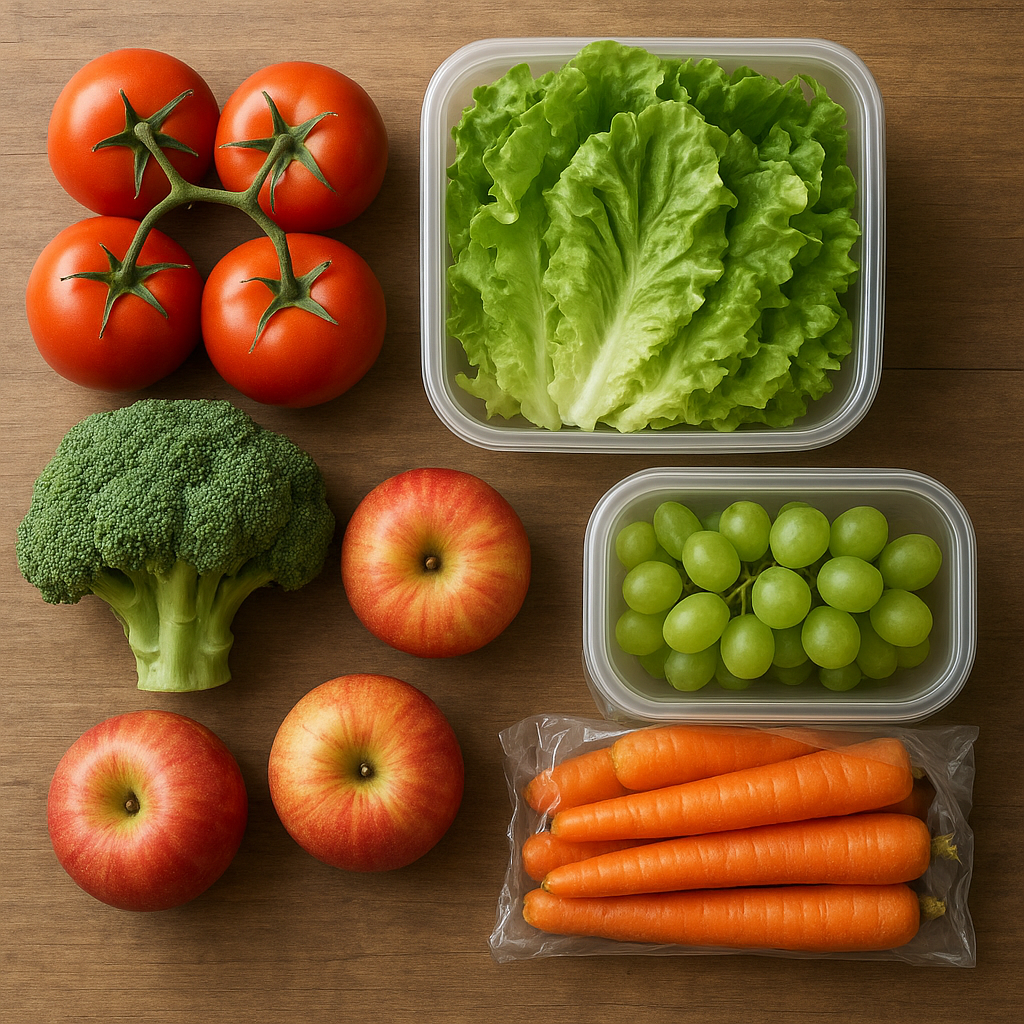
Achieving optimal produce storage is both an art and a science. By understanding the biological processes that govern ripening and deterioration, farmers and home gardeners alike can extend the shelf life of fruits and vegetables. This article explores practical methods for maintaining freshness, controlling temperature, and preventing spoilage through smart handling, storage environments, and modern tools.
Understanding the Biological Basics of Produce Preservation
Respiration and Ripening
All fruits and most vegetables continue to respire after harvest, consuming oxygen and releasing carbon dioxide, heat, and water. This metabolic process accelerates ripening and eventual decay. Controlling the rate of respiration is crucial to slow down senescence. Factors such as air composition, temperature, and exposure to ethylene gas can either speed up or delay ripening.
Ethylene Sensitivity
Ethylene, a naturally occurring plant hormone, acts as a ripening agent for climacteric produce such as bananas, tomatoes, and apples. While beneficial in controlled doses, excessive exposure can lead to over-ripening and softening. Non-climacteric items like berries, leafy greens, and carrots are less responsive to ethylene but can still suffer quality loss if stored alongside high ethylene emitters.
Moisture and Humidity Balance
Moisture management plays a dual role: preventing dehydration and inhibiting microbial growth. Maintaining the ideal relative humidity (typically between 85% and 95%, depending on the commodity) helps preserve crispness in leafy greens and the firm texture in root vegetables. However, excessive moisture may foster mold and rot if surfaces remain wet.
Techniques for Storing Different Categories of Produce
Leafy Greens and Herbs
Leafy greens such as lettuce, spinach, and kale require high humidity and cool temperatures (0–4°C). Wrap them loosely in slightly damp paper towels and store in breathable containers. Avoid washing before refrigeration; excess water promotes decay. Instead, wash just prior to consumption under cold running water.
Fruit Storage Protocols
- Apples and Pears: Store at 0–2°C with 90–95% humidity. Keep separate from strong ethylene producers to maintain firmness.
- Stone Fruits (Peaches, Plums, Cherries): Store unripe on the counter until they yield slightly to pressure, then move to refrigeration at 1–3°C.
- Berries: Extremely perishable; store at 0–1°C and high humidity. Spread in single layers on a tray lined with paper towels to absorb excess moisture.
Root Vegetables and Tubers
Carrots, beets, radishes, and parsnips thrive at 0–2°C with 90–95% humidity. Remove leafy tops to prevent moisture withdrawal from the roots. Store potatoes in a cool, dark place at 4–7°C and moderate humidity; avoid refrigeration, which can convert starches to sugars, affecting flavor.
Citrus and Tropical Fruits
Citrus fruits prefer slightly warmer conditions (8–12°C) and moderate humidity (85–90%). Bananas, mangoes, and papayas should be stored at 12–15°C; refrigeration below 12°C can cause chilling injury, resulting in discoloration and off-flavors.
Advanced Strategies and Innovative Tools
Modified Atmosphere Storage
By regulating the concentrations of oxygen, carbon dioxide, and nitrogen within a sealed environment, modified atmosphere packaging (MAP) can drastically extend storage life. Lower oxygen levels slow respiration, while elevated carbon dioxide inhibits microbial growth. MAP films and chambers are widely used in commercial farming and can be adapted for on-farm packing lines.
Vacuum and Controlled Atmosphere Rooms
Vacuum cooling rapidly removes field heat by evaporating surface moisture under reduced pressure. Controlled atmosphere (CA) facilities maintain precise gas mixtures over the long term. These high-tech systems require significant initial investment but yield substantial reductions in spoilage and waste.
Smart Refrigeration and Monitoring
- Wireless sensors track temperature and humidity in real time.
- Data logging enables trend analysis, revealing potential cold spots or fluctuations.
- Automated alerts notify operators of threshold breaches, preventing quality loss.
Practical Tips for Everyday Handling and Storage
Sorting and Pre-Cooling
After harvest, sort produce by maturity level and condition. Remove bruised or damaged items to prevent cross-contamination. Pre-cool commodities within two hours to the recommended storage temperature to minimize the deterioration window.
Proper Labeling and Rotation
Implement the First-In, First-Out (FIFO) method by affixing date-coded labels to bins and boxes. Clear labeling ensures older stock is used before newly harvested items. This simple step significantly reduces waste and ensures consistent quality for consumers.
Sanitation and Container Care
Clean and sanitize all containers, bins, and storage surfaces between harvests. Residual debris can harbor pathogens and encourage mold growth. Use food-grade sanitizers and allow equipment to dry thoroughly before reuse.
Integrating these techniques allows growers, distributors, and home gardeners to maintain the highest possible standards of preservation. By respecting the biological needs of each commodity and employing modern storage solutions, it is possible to deliver crisp, flavorful produce far beyond the typical shelf life, reducing waste and maximizing value at every step of the supply chain.