Farms around the globe are embracing innovative energy solutions to meet growing demands for productivity and environmental stewardship. By integrating solar power into routine operations, agricultural enterprises can transform traditional practices and reap long-term benefits across multiple facets of their business.
Benefits of Solar Energy in Agriculture
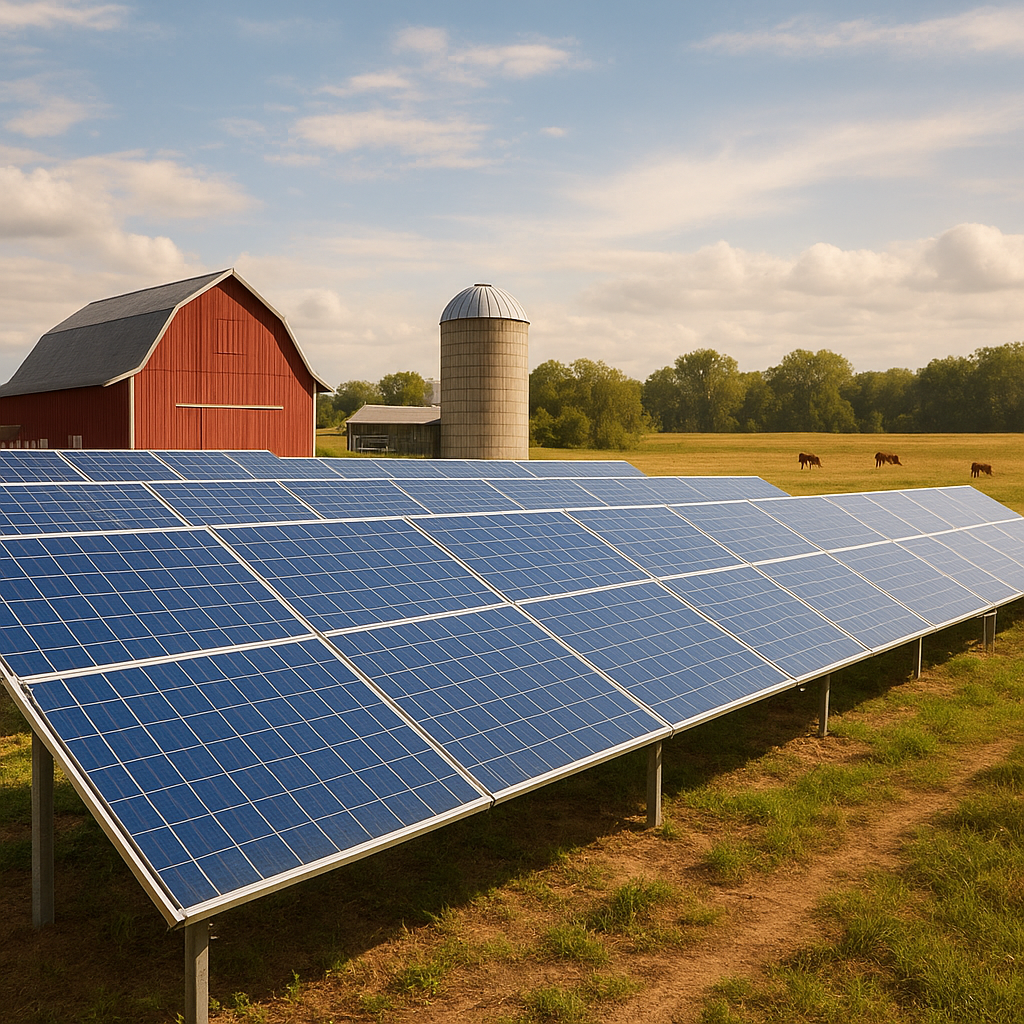
Harnessing the sun’s power offers farmers a range of renewable advantages that go beyond simple electricity production. From reducing greenhouse gas emissions to lowering utility bills, solar energy systems can be tailored to the unique needs of each farm.
Lower Operating Costs
- Electricity bills often account for a significant share of farm expenses. Solar arrays provide a predictable, zero-fuel cost resource.
- Feed-in tariffs or net metering programs enable farm owners to sell surplus power back to the grid, adding an extra revenue stream.
- Initial investment in a solar system can be offset by government incentives, tax credits, and long-term savings.
Environmental Impact
By switching to solar energy, farms can dramatically cut their carbon footprint. This shift aligns with global efforts to combat climate change and positions agricultural businesses as leaders in sustainable practices. Reduced reliance on diesel generators and grid-supplied electricity contributes to cleaner air and healthier communities.
Enhanced Energy Independence
Remote farms often face unstable power supply or limited grid connectivity. Installing a solar array with battery storage enhances autonomy, enabling continuous operation during outages. Reliable access to electricity ensures that essential processes—such as lighting, irrigation, and temperature control—remain uninterrupted.
Implementing Solar Solutions on the Farm
Transitioning to solar power involves several critical steps, from site assessment to system commissioning. Thoughtful planning and collaboration with experienced professionals help ensure that installations meet performance expectations and align with long-term farm objectives.
Site Assessment and Design
- Conduct a thorough survey to determine optimal panel placement, taking into account shading, tilt angles, and seasonal sun exposure patterns.
- Estimate the farm’s daily and seasonal energy requirements, factoring in equipment cycles and peak demand periods.
- Select panel types (monocrystalline, polycrystalline, or thin-film) based on space constraints, budget, and desired efficiency levels.
Financing and Incentives
Various funding models can make solar installation more accessible. Options include:
- Power Purchase Agreements (PPAs), where a third party owns and operates the system while the farm pays for generated electricity at a reduced rate.
- Leasing arrangements that minimize upfront costs, although they may affect eligibility for certain subsidies.
- Direct purchase combined with grants or low-interest loans designed specifically for agricultural green technology projects.
Exploring local and national grant programs can substantially lower initial capital requirements and improve project economics.
System Installation
Once design and financing are in place, professional installers handle the installation phase. Key tasks include mounting panels on fixed or tracking structures, wiring arrays to inverters, and integrating battery storage if required. All labor and equipment must comply with electrical codes and safety standards.
Operational Considerations and Maintenance
After commissioning, ensuring the long-term performance of a farm-scale solar system requires systematic monitoring and upkeep. Well-maintained installations can deliver decades of reliable service.
Monitoring and Performance Tracking
- Advanced monitoring platforms allow farmers to view real-time output data, detect anomalies, and forecast performance under different weather conditions.
- Alerts for underperforming panels or inverter faults help technicians resolve issues quickly, minimizing downtime.
- Monthly and annual performance reports support proactive decision-making and ROI assessments.
Routine Cleaning and Inspections
Dust, bird droppings, and crop residue can impair panel output. Periodic cleaning schedules—especially after harvest or in dusty environments—preserve optimal energy capture. Visual inspections verify that mounts remain secure and that wiring connections are intact.
Equipment Upgrades and Scalability
Farms often expand or diversify operations over time. Solar infrastructures should be designed with future growth in mind. Adding more panels, upgrading to higher-capacity inverters, or increasing battery storage can accommodate new loads such as grain dryers, cold storage units, or automated climate control systems.
Integrating Solar with Smart Farming Technologies
Synergies between solar power and advanced agricultural tools enhance productivity and resource management. Combining renewable energy with automated systems creates a resilient, high-tech environment for modern farming.
Precision Agriculture and IoT
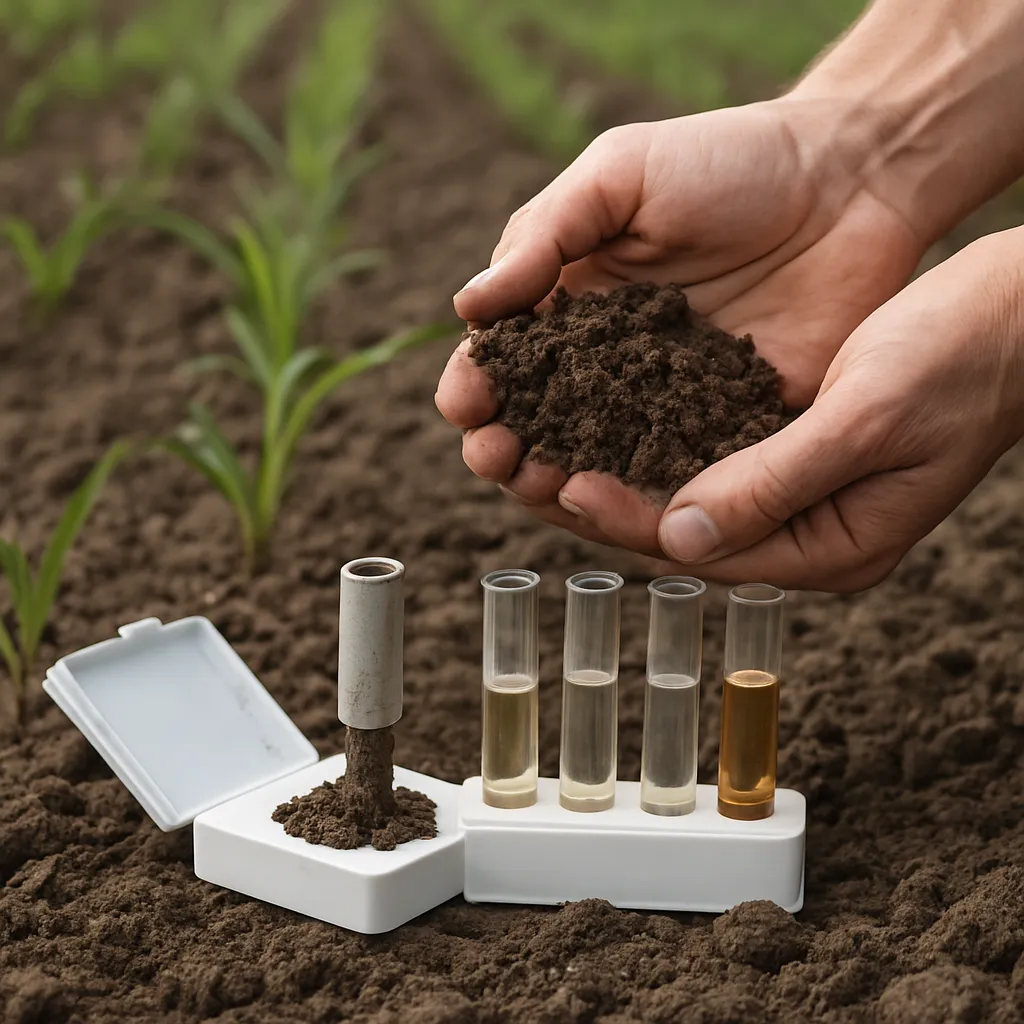
- Solar-powered sensors monitor soil moisture, nutrient levels, and weather conditions without relying on grid connectivity.
- Real-time data feeds enable automated irrigation scheduling, ensuring water is applied only when necessary and reducing waste.
- Connected drones and robotic equipment can operate for extended periods thanks to stable on-site energy supplies.
Cold Chain and Post-Harvest Applications
Maintaining product quality after harvest is critical. Solar-driven refrigeration units preserve perishable goods, reducing spoilage and extending market reach. Solar backup systems ensure continuous operation during grid failures.
Community and Cooperative Models
In some regions, multiple farms collaborate on shared solar installations. Cooperative arrangements spread costs, simplify maintenance responsibilities, and strengthen negotiating power with equipment suppliers. Cost-saving partnerships also foster local knowledge exchange and reinforce community resilience.
Conclusion of Key Considerations
Adopting solar energy on the farm represents a strategic investment that aligns financial viability with ecological responsibility. From planning and installation to ongoing operations, a well-executed solar program empowers farmers to optimize resource use, achieve energy sustainable goals, and drive innovation across their agricultural enterprises. By prioritizing robust design, diligent maintenance, and forward-looking scalability, farms can secure a competitive edge and contribute to a greener future.