Compost tea has emerged as a powerful tool for farmers and gardeners aiming to unlock the full potential of their crops. By harnessing the activity of beneficial microbes and enriching the soil with vital nutrients, this simple yet effective solution offers a sustainable path to healthier plants and higher yields. Throughout the following sections, you will dive into the science, preparation methods, application strategies, and monitoring techniques that make compost tea an indispensable asset in modern organic farming and regenerative agriculture.
Understanding the Science Behind Compost Tea
The concept of brewing a liquid extract from rich, aged compost may seem straightforward, yet its impact on plant health is profound. At its core, compost tea is a living solution teeming with diverse microorganisms—bacteria, fungi, protozoa, and nematodes—that work in concert to improve soil and plant vitality.
- Microbial Diversity: A well-brewed tea contains thousands of microbial species that colonize root zones, outcompeting pathogens and establishing a balanced soil ecosystem.
- Nutrient Cycling: Beneficial microbes break down complex organic compounds, releasing essential nutrients like nitrogen, phosphorus, and potassium in plant-available forms.
- Disease Suppression: Certain bacteria produce natural antibiotics and enzymes that neutralize harmful organisms, reducing the incidence of root rot, wilts, and fungal infections.
- Soil Structure: Excretions from microbial activity help bind soil particles into stable aggregates, enhancing soil structure and water retention.
These biological mechanisms underscore the importance of maintaining a healthy soil microbiome. Unlike synthetic fertilizers, which supply isolated chemical elements, compost tea delivers a dynamic consortium of life forms that continue to interact and adapt within the rhizosphere.
Preparing High-Quality Compost Tea
Producing an effective brew requires attention to ingredients, brewing equipment, and environmental conditions. The goal is to cultivate a high concentration of beneficial agents without encouraging unwanted pathogens.
Essential Ingredients
- Well-aged compost or vermicompost, free from contaminants
- Dechlorinated water (rainwater or aged tap water)
- Untreated molasses or kelp extract to fuel microbial growth
- Optional additives: humic acid, rock powders, or soluble minerals
Equipment and Setup
- A clean bucket or brewing vessel (20–100 liters depending on scale)
- An aquarium air pump and diffuser for aeration
- Fine mesh bag or stocking to contain compost material
- Thermometer to monitor brewing temperature
Step-by-Step Brewing Process
- Fill the brewing vessel with water, ensuring the temperature stays between 18–24°C.
- Add the compost-filled mesh bag and start aeration.
- Introduce molasses or sugar source to feed aerobic populations.
- Maintain continuous mixing and air supply for 24–48 hours.
- Monitor pH and temperature; avoid spikes above 27°C that could encourage anaerobes.
- Once the brew appears dark and smells pleasantly earthy, it’s ready for application.
Key factors include oxygen availability, energy sources for microbes, and brewing time. Properly managed, the tea contains high counts of beneficial bacteria and fungi, whereas neglecting aeration can lead to unpleasant odors and harmful byproducts.
Application Methods for Maximum Effectiveness
Once brewed, compost tea can be applied in various ways to target root health, leaf surfaces, and entire soil profiles. Selecting the correct method depends on crop type, growth stage, and specific challenges.
Soil Drench
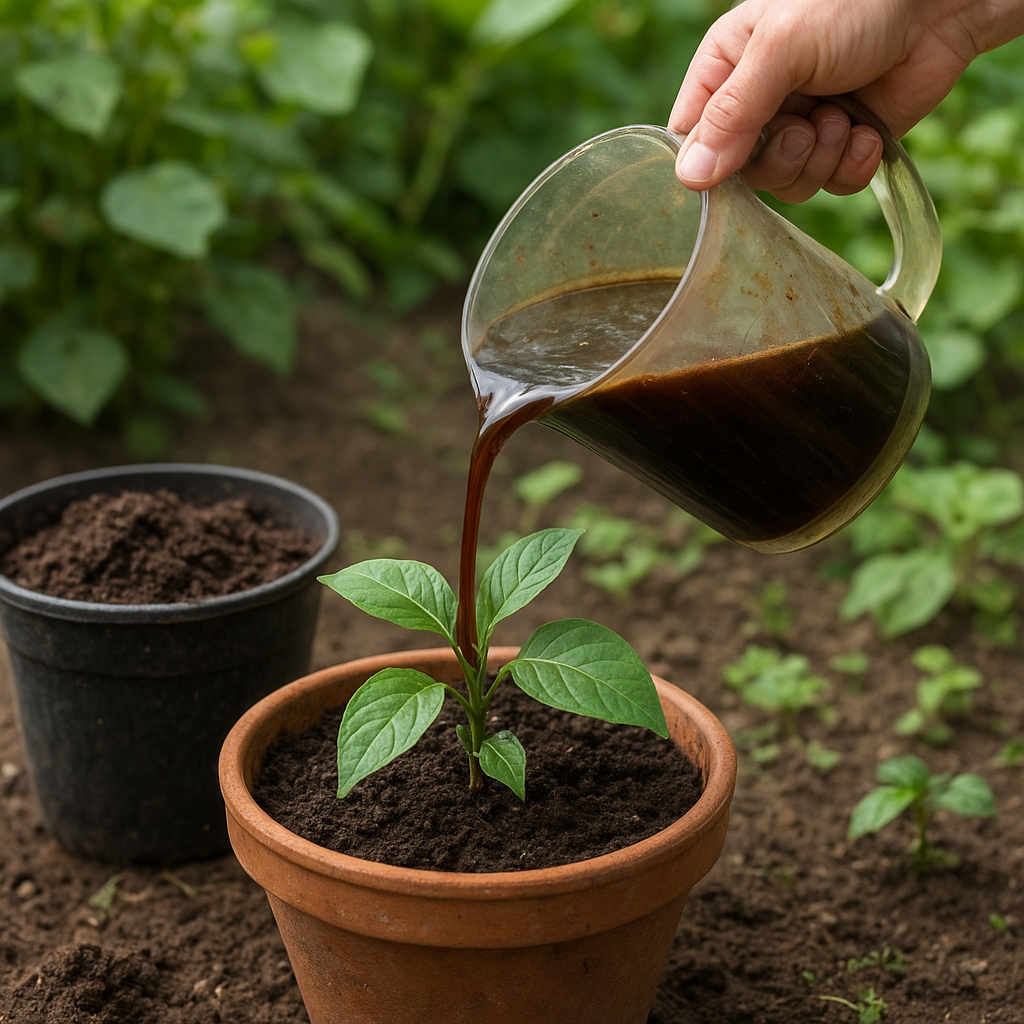
Pour or inject the tea directly at the base of plants. A drench saturates the root zone, ensuring direct contact between microbes and plant roots. Typical rates range from 10–20 liters per 100 square meters every 2–4 weeks during active growth.
Foliar Spray
Dilute the brew with water (1:5 to 1:10 ratio) and spray onto leaves and stems. This foliar application not only suppresses airborne pathogens but also enhances nutrient uptake through stomata. Early morning or late afternoon applications minimize UV degradation.
Seed Soak and Transplant Dip
Soak seeds or transplants in a concentrated tea solution for 6–12 hours before sowing or planting. This inoculation jump-starts root colonization, leading to vigorous seedling growth and increased stress tolerance.
Drip Irrigation Integration
In large-scale operations, incorporate compost tea into drip lines. Ensure filters and tubing remain clear of biofilm buildup by using properly strained tea and regularly cleaning systems.
Monitoring, Troubleshooting, and Optimizing Results
Even the best brewing methods require careful observation to ensure consistent quality and performance. A successful program hinges on periodic testing and adjustments.
- Regular Testing: Use a microscope or plate counts to estimate microbial density. Aim for 10^7 to 10^9 CFU per milliliter of bacteria and visible fungal spores.
- pH Control: Ideal range is 6.5–7.5. Adjust with food-grade acids or alkalizing agents if readings drift.
- Nutrient Analysis: Conduct occasional liquid tests to measure nitrogen, phosphorus, potassium, and trace elements. This helps determine if additional supplementation is needed.
Troubleshooting common issues:
- Clogged diffusers – Clean with light vinegar rinse.
- Foul odors – Check for inadequate aeration or excessive brewing duration.
- Low microbial counts – Increase sugar source or shorten brew time to avoid population crashes.
Incorporating compost tea into an integrated fertility plan can also tie into crop rotation, cover cropping, and minimal tillage practices. Combining diverse strategies ensures a resilient, self-sustaining ecosystem that reduces dependence on external inputs.
Advancing Practices Through Research and Innovation
Recent studies highlight the potential of compost tea to foster climate resilience in crops by improving water-use efficiency and enhancing root growth. Innovations like biochar-infused teas and tailored microbial consortia are pushing the boundaries of what this organic amendment can achieve.
- Biochar Synergy: Adding porous biochar during brewing can adsorb toxins and serve as a habitat for microbes, increasing stability and longevity of the tea’s benefits.
- Microbial Inoculants: Customized blends of mycorrhizal fungi or nitrogen-fixing bacteria can be introduced to target specific crop requirements.
- Digital Monitoring: IoT sensors for temperature, pH, and dissolved oxygen enable real-time adjustments and predictive modeling.
As research continues, the versatility of compost tea will expand, offering farmers even more tools to cultivate healthy, productive landscapes. Through deliberate experimentation and knowledge-sharing, the practice can evolve into a cornerstone of sustainable agriculture.