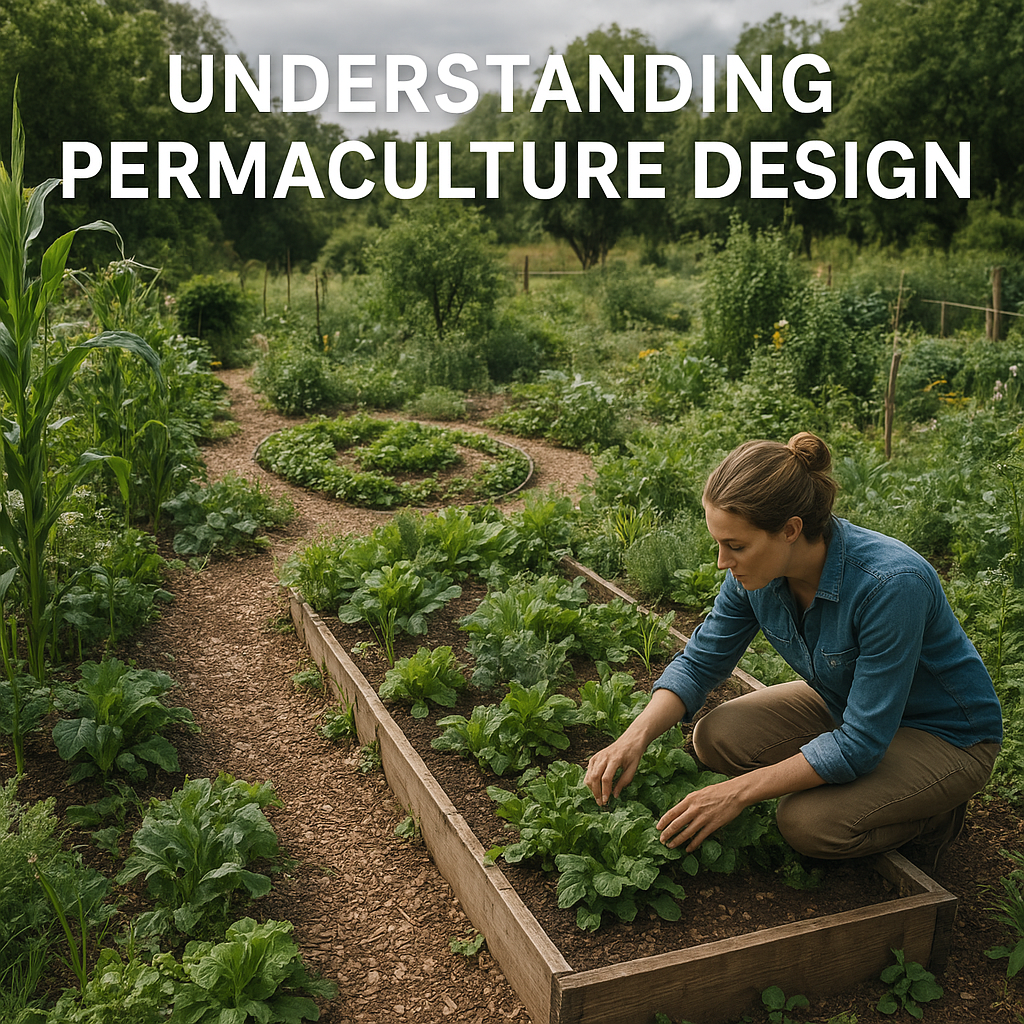
Permaculture represents a transformative approach to agriculture that weaves together ecological wisdom and practical farming techniques. By embracing the design principles of natural systems, practitioners cultivate landscapes that are not only productive but also deeply respectful of the land. This introduction explores the core ethos of permaculture, highlighting how collaborative planning and observation lead to resilient farms that thrive in harmony with ecosystems.
Principles of Permaculture Design
Central to any permaculture project are a set of time-tested guidelines that encourage working with nature rather than against it. These principles offer a roadmap for creating landscapes that embrace sustainability and longevity. Key tenets include:
- Observe and Interact: Careful observation of microclimates, soil type, and seasonal patterns informs thoughtful placement of plants and structures.
- Catch and Store Energy: Harnessing the sun’s rays, capturing rainwater, and composting organic waste ensure minimal external inputs.
- Obtain a Yield: Every element must serve multiple functions, from food production to soil stabilization.
- Apply Self-Regulation and Feedback: Monitoring progress and adjusting strategies help maintain balance and prevent resource depletion.
- Use and Value Renewable Resources: Prioritizing on-site materials and passive systems reduces dependency on fossil fuels and promotes long-term resilience.
By embedding these values into a regenerative framework, permaculture designers foster rich biodiversity, healthy soils, and vibrant food forests that can withstand environmental pressures. Integrating zones and sectors ensures energy flows efficiently, while agroforestry layers mimic natural woodlands, boosting productivity and habitat diversity.
Implementing Permaculture in Farming Practices
Transitioning from conventional monocultures to a permaculture model involves rethinking field layout and resource flow. This section delves into practical strategies for farmers eager to embrace a holistic approach:
Zone Planning and Spatial Organization
- Zone 0 (Home Base): Positioning kitchens, tool sheds, and water tanks close to living spaces maximizes daily convenience and minimizes labor.
- Zones 1 and 2 (Intensive Cropping Areas): Herb gardens, leafy greens, and small livestock pens are placed where frequent attention and harvesting occur.
- Zones 3 and 4 (Field Crops and Orchards): Rotational grazing, grains, and fruit trees occupy lands requiring periodic maintenance, optimizing nutrient cycling and pest control.
- Zone 5 (Wild/Conservation): Preserving a section of natural habitat encourages wildlife corridors and fosters natural pest management.
Farmers can integrate soil health through cover cropping, green manures, and minimal tillage. Encouraging earthworms and microbial communities builds structure and fertility, reducing the need for synthetic fertilizers. Incorporating water management systems—such as contour swales and pond capture—ensures rainwater is distributed evenly, preventing erosion and drought stress.
Enhancing Soil and Water Management
Healthy soil and efficient water use are pillars of any successful permaculture operation. Strategies include:
- Mulching: Organic mulches conserve moisture, suppress weeds, and break down into valuable soil organic matter.
- Keyline Design: Contouring land according to natural waterflow patterns promotes deep infiltration and reduces runoff.
- Swales and Berms: Strategic earthworks capture surface water, allowing it to percolate and recharge aquifers.
- Rainwater Harvesting: Roof catchments and cisterns supply clean water for irrigation during dry spells.
By prioritizing resilience, farmers safeguard against unpredictable weather. Integrating legumes and dynamic accumulators—plants that draw up nutrients from deep soil layers—further enhances fertility. Additionally, interplanting with nitrogen-fixing trees and shrubs reduces dependence on external inputs while providing shade and habitat. Implementing rotational grazing practices fosters regenerative grasslands, where livestock contribute to nutrient cycles rather than deplete them.
Building Resilient Communities and Markets
Beyond ecological design, permaculture emphasizes social and economic sustainability. Farmers and gardeners cultivate relationships that amplify shared knowledge and resources:
- Skill-Sharing Workshops: Hosting training sessions on composting, seed saving, and natural building techniques empowers neighbors to adopt sustainable practices.
- Cooperative Ventures: Community-supported agriculture (CSA) programs and farmers’ co-ops foster direct marketing and fair trade.
- Seed Libraries: Exchanging locally adapted varieties preserves genetic diversity and reinforces food sovereignty.
- Local Food Networks: Establishing farm-to-table partnerships with restaurants and schools supports stable incomes and reduces food miles.
Active community engagement nurtures a collective ethos where everyone contributes to landscape stewardship. From creating edible schoolyards to organizing seed festivals, these initiatives demonstrate the profound social benefits of permaculture. By weaving ecological design with grassroots cooperation, permaculture projects become incubators for innovation, resilience, and long-term abundance.