No-till farming has emerged as a transformational approach to modern agriculture, reshaping how farmers interact with the land. By minimizing mechanical soil disturbance, this system preserves ground structure, enhances water retention, and supports a thriving ecosystem underground. As the agricultural sector seeks sustainable solutions, no-till practices offer a path toward improved yields while safeguarding natural resources.
Understanding No-Till Farming
No-till farming is a cultivation method in which the soil is left undisturbed from harvest to planting, except for small slits made to insert seeds. This contrasts sharply with conventional tillage, where multiple passes of plows or disks break up and overturn the soil. No-till originated in the mid-20th century but has gained traction in recent decades as concerns over soil degradation and climate change intensified.
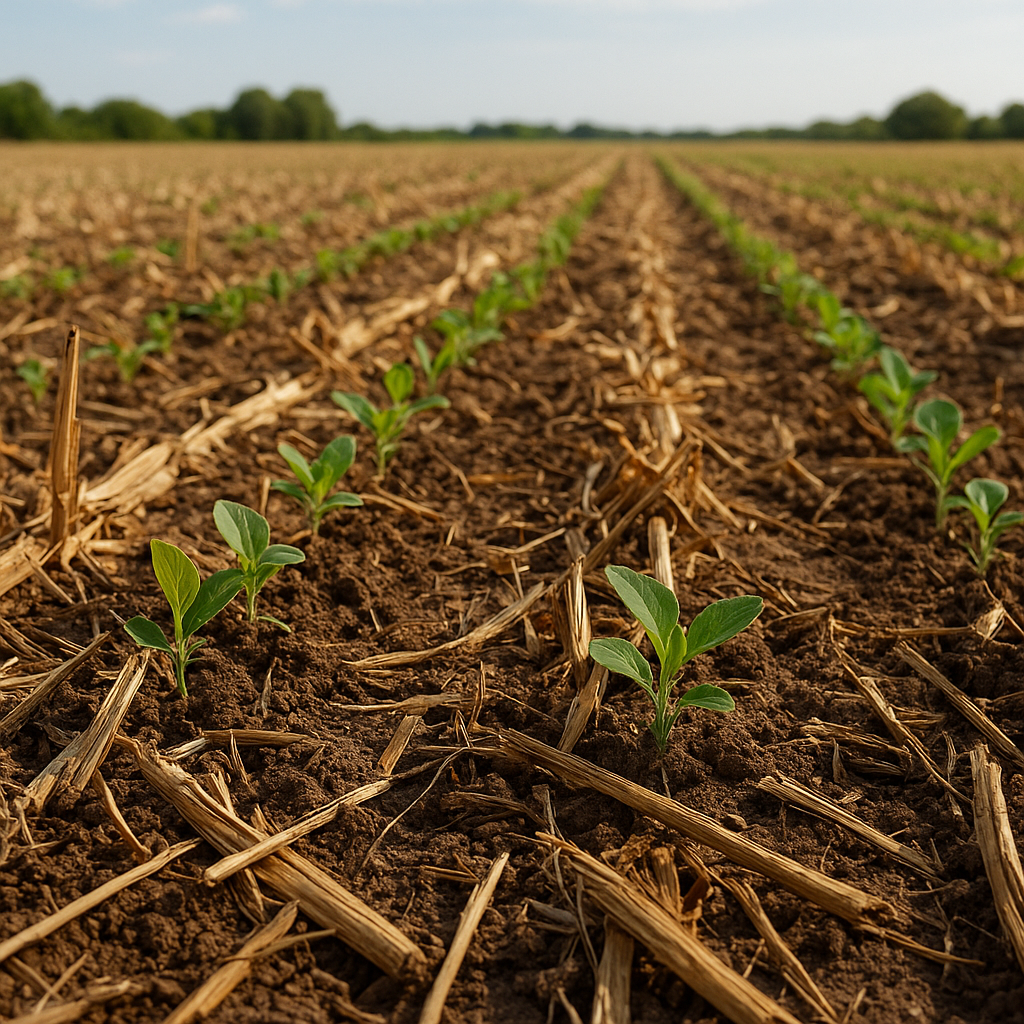
Fundamentally, the no-till system relies on a combination of specialized planting equipment, appropriate crop rotations, and effective residue management. Farmers often employ seed drills or planters with coulters and openers designed to penetrate crop residues without turning them under. This residue layer serves as a protective mulch, suppressing erosion and moderating surface temperatures.
The approach requires a shift in mindset: rather than tilling to control weeds and prepare a seedbed, producers must leverage cover crops, herbicides, and integrated pest management to create optimal conditions for planting. Over time, no-till fields develop well-aggregated topsoils, teeming with earthworms, microbes, and organic matter—key indicators of soil vitality.
Benefits for Soil Health
Enhanced Soil Structure and Organic Matter
One of the most significant advantages of no-till farming is its positive impact on soil structure. By avoiding repeated inversion, soil aggregates remain intact, fostering pore networks that facilitate air and water movement. Over years, these networks expand, improving infiltration rates and reducing surface runoff. This leads to increased water availability for crops during dry spells and decreased risk of flooding after heavy rains.
Boosting Biological Activity
Healthy soils teem with life. In no-till fields, populations of earthworms and beneficial microorganisms flourish, feeding on crop residues and recycling nutrients. These organisms produce enzymes and substances that bind soil particles, further strengthening aggregates. Such vibrant ecosystems enhance nutrient cycling and suppress soil-borne diseases, reducing farmers’ reliance on synthetic inputs.
Carbon Sequestration and Climate Mitigation
By maintaining surface residues and minimizing oxidation of organic matter, no-till systems capture and store atmospheric carbon in the soil. Studies estimate that widespread adoption of no-till could sequester millions of metric tons of CO₂ annually. This carbon drawdown plays a critical role in global efforts to combat climate change, positioning agriculture as a potential carbon sink rather than a source of greenhouse gas emissions.
Environmental and Economic Advantages
Reducing Erosion and Runoff
Traditional plowing disturbs the protective residue layer and leaves bare soil exposed to wind and water forces. No-till farming dramatically cuts soil loss by maintaining a continuous cover of crop residues. This not only preserves fertile topsoil but also prevents sedimentation of nearby waterways, protecting aquatic ecosystems and reducing the need for costly dredging operations.
Lowering Fuel and Labor Costs
With fewer tillage passes, farmers spend less on diesel fuel and equipment maintenance. Many operations report savings of up to 50% on fuel expenditures alone. Reduced labor demands and minimized wear and tear on tractors translate into significant cost efficiencies—resources that can be reinvested in precision technologies or expanded conservation initiatives.
Enhancing Biodiversity
Residue-covered fields support diverse insect populations, including beneficial predators of crop pests. Birds and small mammals also find habitat among unbroken stubble, contributing to a balanced agroecosystem. This biodiversity helps regulate pest pressures naturally, diminishing the need for chemical controls and fostering long-term resilience.
Implementation Strategies and Best Practices
- Crop Rotation: Alternating cereals, legumes, and oilseeds to disrupt pest cycles and improve nutrient balances.
- Cover Cropping: Establishing winter or summer cover crops like clover, rye, or radish to protect soil and add organic matter.
- Precision Planting: Using no-till planters with GPS guidance to achieve uniform seed placement and optimal seeding depth.
- Weed Management: Combining pre-emergent herbicides with post-emergent applications, spot treatments, and mechanical roller crimpers.
- Soil Testing: Regular analysis of pH, nutrient levels, and biological indicators to tailor fertilizer regimes and amendments.
- Equipment Calibration: Ensuring coulters, disks, and openers are adjusted for local residue loads and soil conditions.
Successful adoption often starts with small test strips, allowing farmers to fine-tune planting speed, residue flow, and input rates. Collaboration with agronomists and participation in field days or demonstration plots can accelerate the learning curve and foster a community-driven approach to continuous improvement.
Challenges and Future Outlook
While no-till offers many advantages, it is not without hurdles. Heavy residue can clog equipment, requiring modifications or additional residue managers. In wetter regions, surface residues may delay field operations until soils dry adequately. Weed species that thrive on undisturbed ground may demand more sophisticated integrated management strategies.
Looking forward, ongoing research in cover crop mixtures, bio-based soil amendments, and precision agriculture tools promises to enhance no-till outcomes. Innovations such as robotic weeders and advanced sensors for real-time soil moisture and nutrient monitoring will empower farmers to make data-driven decisions. Public policies and incentive programs that reward sustainability can further accelerate the transition away from intensive tillage systems.
As global demand for food rises alongside environmental pressures, the resilience and long-term sustainability of crop production systems become ever more critical. No-till farming stands at the forefront of this evolution, offering an exemplar of how innovation and ecological stewardship can drive agricultural productivity forward.