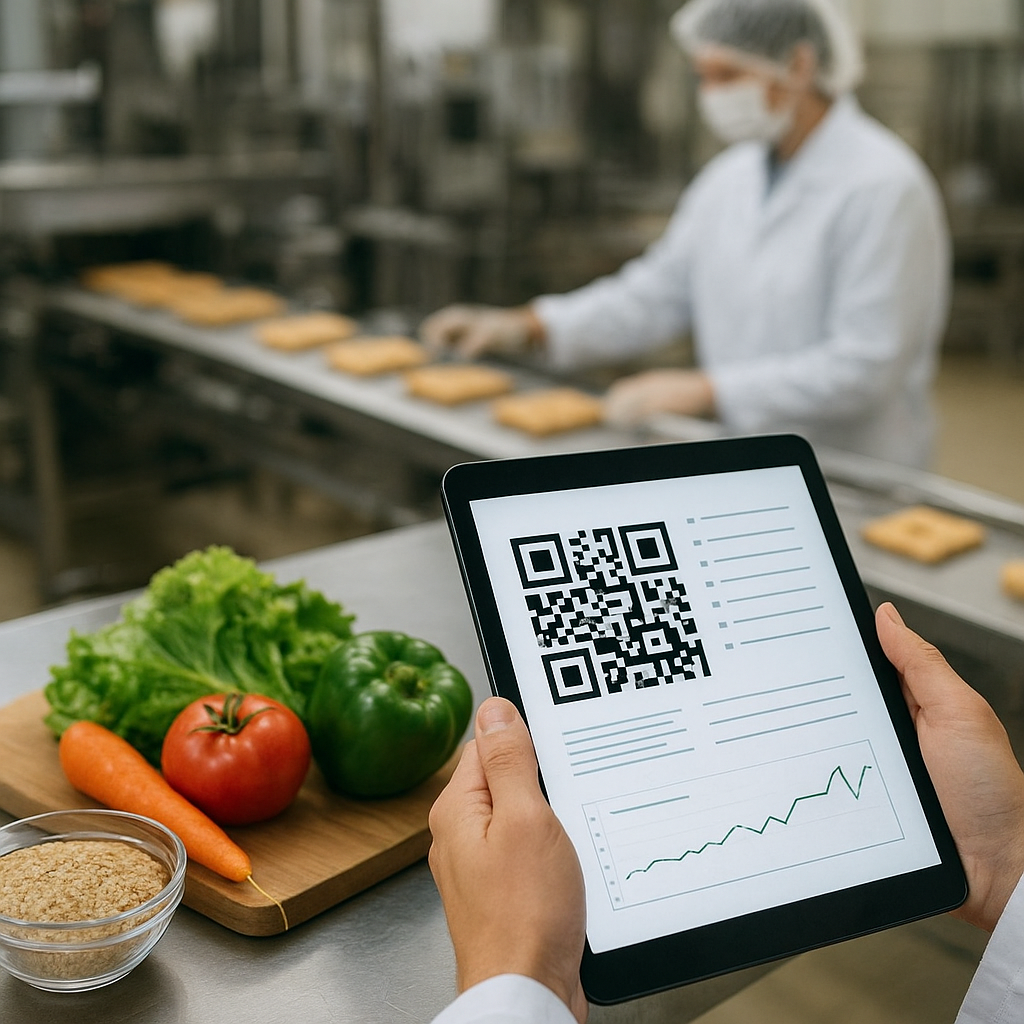
Efficient management of modern agriculture increasingly relies on the integration of robust traceability systems to monitor the journey of food products from farm to fork. These mechanisms not only enhance consumer trust but also reinforce regulatory compliance, ensure safety, and drive sustainable practices across the supply chain. A comprehensive understanding of traceability enables stakeholders—from farmers and processors to retailers and auditors—to make data-driven decisions that safeguard quality and promote long-term resilience in the farming sector.
Benefits of Traceability in Modern Farming
Implementing a clear, end-to-end traceability framework yields significant gains for both producers and consumers. The following key advantages illustrate why this practice is becoming a strategic priority:
- Food Safety Assurance: Rapid identification of contamination sources minimizes the scope of product recalls and protects public health.
- Quality Assurance: Tracking environmental factors, animal health, and crop conditions helps maintain consistent standards and optimize yield.
- Consumer Trust: Transparent records that show origin, handling, and processing steps foster loyalty and support premium pricing.
- Regulatory Compliance: Automated documentation streamlines audits and meets stringent requirements imposed by authorities.
- Sustainability Metrics: Measuring resource usage—water, fertilizer, energy—enables continuous improvement in eco-friendly practices.
Essential Tools and Technologies Driving Traceability
Advancements in digital solutions have revolutionized how trace data is captured, stored, and analyzed. Below are the most impactful innovations:
IoT and Sensor Networks
Internet of Things (IoT) devices, such as smart sensors and GPS-enabled trackers, record real-time information on temperature, humidity, and location. By integrating these streams into a centralized database, farmers can respond immediately to adverse conditions that threaten product integrity.
RFID and Barcode Tagging
Radio-frequency identification (RFID) tags and barcodes enable seamless scanning at various stages of processing. Such automated data capture eliminates manual errors and accelerates the movement of goods through logistic channels.
Blockchain for Immutable Records
Leveraging a distributed ledger ensures that each transaction or inspection is permanently recorded. This approach prevents tampering and guarantees transparency, since any stakeholder can verify the authenticity of batch information.
Cloud-Based Platforms and Data Management
Cloud solutions provide scalable storage and powerful analytics used to identify trends, forecast demand, and optimize resource allocation. Centralized dashboards grant real-time visibility to all parties, from growers to distributors.
Overcoming Implementation Challenges and Practical Solutions
Despite clear advantages, many agricultural operations face obstacles when integrating traceability systems. Understanding these barriers is crucial for successful adoption:
- High Initial Costs: Investments in hardware, software, and training can strain budgets.
- Solution: Leverage government grants or cooperative purchasing agreements to reduce individual expenses.
- Data Fragmentation: Disparate record-keeping tools hinder unified reporting.
- Solution: Adopt interoperable platforms adhering to open standards, ensuring seamless data exchange across stakeholders.
- Technical Knowledge Gaps: Limited expertise in advanced systems slows deployment.
- Solution: Partner with agri-tech consultants or local universities for training programs and hands-on workshops.
- Resistance to Change: Traditional farms may view digital traceability as disruptive.
- Solution: Demonstrate return on investment through pilot projects that highlight cost savings and market advantages.
- Data Integrity Concerns: Fear of inaccurate or manipulated records undermines confidence.
- Solution: Implement role-based access controls and audit trails to ensure accountability at every step.
Collaboration Across the Supply Chain
Success in traceability requires coordinated efforts among multiple players:
- Farmers: Collect accurate, on-site data regarding soil conditions, crop treatments, and harvest dates.
- Processors: Validate incoming products, record processing parameters, and attach unique identifiers.
- Transporters: Monitor real-time shipping conditions and confirm chain of custody via digital logs.
- Retailers: Cross-check supplier credentials, scan product tags, and provide customers with accessible provenance information.
- Regulators and Auditors: Review centralized records, verify compliance, and issue certifications based on verified data.
Transparent collaboration strengthens the entire network, paving the way for ethical sourcing and boosting market competitiveness.
Future Trends in Agricultural Traceability
Emerging developments will further elevate the impact of traceability systems on farming:
- Artificial Intelligence: Predictive analytics will forecast pest outbreaks, yield fluctuations, and logistical delays, allowing proactive interventions.
- Edge Computing: Real-time processing at the sensor level will reduce latency and enable quick decision-making in remote fields.
- Enhanced Biometric Tagging: Livestock identification through DNA-based or retinal scans will refine animal welfare monitoring and disease control.
- Integration with Circular Economy Models: Traceability data will guide recycling efforts, waste reduction, and byproduct valorization.
As digital maturity grows, traceability will become an indispensable pillar supporting a more resilient, ethical, and sustainable agricultural landscape.