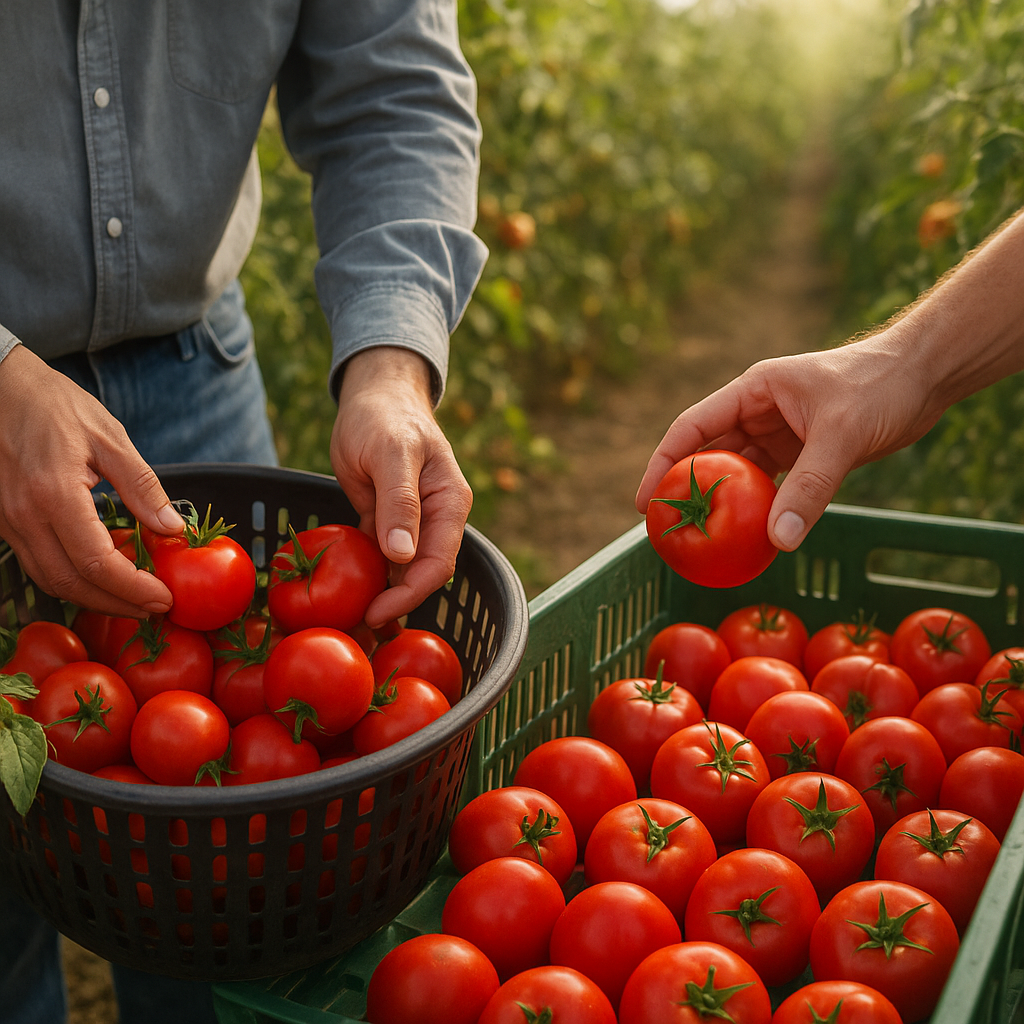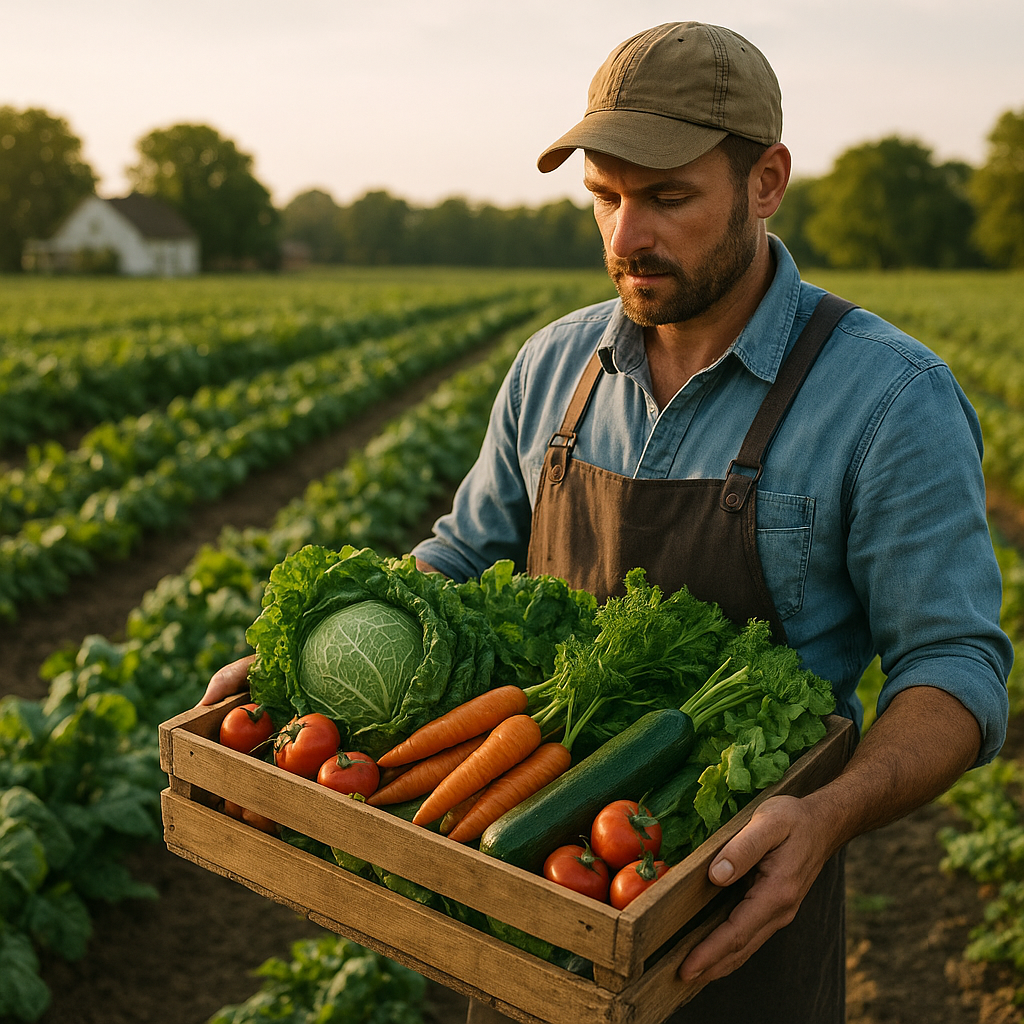
The Economic Impact of Local Farming extends far beyond the boundaries of individual fields, weaving into the social, environmental, and financial fabrics of communities worldwide. As more consumers seek fresh produce and traceable supply chains, local agriculture emerges as a powerful driver of regional prosperity. This article explores how small and medium-scale farming fosters resilience, boosts entrepreneurship, and creates a more interconnected economy.
Economic Benefits for Local Communities
Local farming serves as an engine for community development in several ways. By prioritizing nearby producers, municipalities can retain capital within the region, thereby nurturing circular money flows that support multiple sectors.
- Job Creation: Small farms generate employment opportunities, from field laborers to agritourism guides.
- Market Circulation: Every dollar spent at a farmers’ market tends to remain in the local economy, bolstering restaurants, shops, and service providers.
- Food Security: Regions with robust local production are less vulnerable to global supply disruptions.
- Community Engagement: Farmers’ cooperatives and community-supported agriculture (CSA) programs reinforce civic connections.
Supporting Small Enterprises
With the rise of direct-to-consumer channels—such as online farmstands, farm-to-table restaurants, and local grocers—entrepreneurs can leverage agriculture as a business incubator. Investments in cold storage, processing facilities, and distribution networks translate into diverse revenue streams. Local authorities often provide grants and tax incentives to bolster these initiatives, fostering a cycle of continuous growth.
Job Creation and Localized Labor Markets
Expanding local farming operations requires a wide array of skill sets: agronomy, logistics, marketing, and technical maintenance. This multidimensional demand elevates labor market flexibility and encourages workers to cultivate specialized talents.
- Agricultural Technicians manage biotic health and soil optimization.
- Supply Chain Organizers oversee distribution channels tailored to community density and consumer trends.
- Value-Added Processors transform raw produce into jams, cheeses, or fermented goods, increasing product productivity and profit margins.
Training and Education
Vocational schools and extension services collaborate to impart practical knowledge and facilitate internships. By embedding educational programs in the local landscape, regions equip residents with skills that both serve farmland operations and translate to other industries. Apprenticeships and mentorship arrangements empower new farmers to learn business management, crop diversification, and sustainable practices, reinforcing overall economic health.
Environmental Sustainability and Economic Growth
Integrating ecological stewardship within farming routines yields long-term financial advantages. Techniques such as crop rotation, permaculture, and integrated pest management reduce input costs and protect vital ecosystems.
- Reduced Chemical Expenditures: Natural fertilizers and biological controls cut down on expensive synthetic alternatives.
- Soil Conservation: Healthy soils hold more water, require less irrigation, and support continuous yield increases.
- Carbon Sequestration: Well-managed fields contribute to climate mitigation, unlocking potential carbon credit revenues.
Eco-Tourism and Agritourism
Visitors flock to farms offering immersive experiences—u-pick events, farm stays, and educational workshops. This cross-sector innovation generates fresh income channels for producers and enriches the hospitality sector. Local artisans, equipment suppliers, and community organizations all benefit from increased foot traffic and spending, cementing agriculture’s role as a regional economic pillar.
Infrastructure, Policy, and Stakeholder Collaboration
Robust infrastructure is crucial for transforming agricultural potential into lasting economic wealth. Access roads, cold chains, processing plants, and digital platforms enhance connectivity between growers and markets. Policymakers and private investors must align to unlock this potential.
Public-Private Partnerships
Joint ventures between local governments and agribusinesses can finance critical facilities. For instance, refrigerated storage hubs near production zones minimize post-harvest losses, elevate product quality, and extend distribution reach. Such projects often involve multiple stakeholders, including financial institutions, research bodies, and community groups, ensuring shared commitment and risk distribution.
Regulatory Frameworks and Incentives
Governments can encourage sustainable, small-scale farming through targeted incentives:
- Subsidies for adopting green technologies (e.g., solar-powered irrigation).
- Tax credits for maintaining heirloom or heritage varieties, which enhance genetic diversification and market appeal.
- Grants for youth and minority farmers, fostering inclusive growth and generational renewal.
By reducing bureaucratic hurdles and simplifying land-use regulations, authorities empower new farmers to enter the sector and scale operations responsibly.
Challenges and Future Outlook
Despite its promise, local farming faces obstacles that require strategic interventions:
- Land Accessibility: Urban sprawl and real estate pressures limit farmland availability, necessitating creative leasing models.
- Labor Shortages: Seasonal peaks in planting and harvest seasons create workforce gaps that mechanization or migrant labor cannot fully address.
- Market Saturation: Small-scale producers must differentiate through branding, quality assurance, and niche offerings to avoid commodity pricing wars.
Pathways Forward
Innovation hubs and research centers play a pivotal role in developing cost-effective solutions for irrigation, pest management, and yield forecasting. Pilot projects showcasing advanced greenhouse systems, hydroponics, or agroforestry models demonstrate how technology intersects with traditional knowledge to raise productivity. Fostering networks among farmers, technologists, and financial backers accelerates idea exchange and cultivates a vibrant agrarian ecosystem.
Ultimately, the capacity of local farming to reshape economies hinges on coordinated efforts among growers, consumers, policymakers, and investors. By championing sustainable practices, reinforcing infrastructure, and nurturing human capital, communities can harvest the full spectrum of benefits that agriculture has to offer.