Organic mulch stands out as a transformative practice for modern agriculture, blending natural materials with ecological principles to optimize crop performance. Its multifaceted benefits span from improving soil health to promoting environmental stewardship. Below, several aspects of using organic mulch are explored, revealing why it has become a cornerstone in sustainable farming.
Soil Health and Fertility
One of the most compelling advantages of organic mulch is its ability to enhance soil fertility. As organic materials such as straw, compost, or wood chips break down, they enrich the soil with essential nutrients. This process stimulates microbial activity, fostering a thriving community of bacteria, fungi, and earthworms that improve soil structure.
- Nutrient Cycling: Decomposing mulch releases nitrogen, phosphorus, and potassium gradually, reducing the need for synthetic fertilizers.
- Soil Structure: Organic particles create aggregates that improve aeration and prevent compaction.
- Erosion Control: A protective mulch layer shields topsoil from wind and water erosion.
Healthy soil, rich in organic matter, demonstrates higher water infiltration rates and greater resilience against drought. By maintaining a steady supply of decomposed mulch, farmers can sustain long-term sustainability of their land.
Water Conservation and Moisture Management
Water scarcity poses a significant challenge in many agricultural regions. Organic mulch addresses this by providing excellent moisture retention. The porous nature of materials like bark and leaves reduces surface evaporation and moderates soil temperature.
Reduced Irrigation Needs
Studies have shown that mulched fields require up to 50% less watering compared to bare soil. This efficient water management translates into lower irrigation costs and conserves a precious resource.
Temperature Regulation
A thick layer of mulch insulates the soil, keeping it cooler in summer and warmer in winter. Such thermal buffering protects plant roots from extreme fluctuations, promoting continuous growth.
- Evaporation Barrier: Limits direct sun exposure to the soil surface.
- Capillary Action: Encourages gradual upward movement of water to the root zone.
Weed Suppression and Pest Management
Unwanted vegetation competes with crops for water, light, and nutrients. By applying a decent layer of organic mulch, farmers create a physical barrier that inhibits weed germination. This mechanical control reduces reliance on chemical herbicides, supporting more environmental stewardship.
Natural Pest Deterrence
Certain mulches, like cedar shavings or pine needles, emit aromatic compounds that deter some insect pests. Meanwhile, the healthier soil ecosystem attracts beneficial predators—ladybugs, predatory beetles, and parasitic wasps—that keep harmful pests in check.
- Reduced Herbicide Use: Lowers chemical runoff and protects waterways.
- Ecosystem Balance: Encourages natural predator-prey interactions.
Enhancing Biodiversity and Ecological Balance
Organic mulch contributes to on-farm biodiversity by creating habitat and food sources for microorganisms, insects, and small vertebrates. This rich biological web supports organic gardening practices and promotes resilience to environmental stresses.
Habitat Creation
Decomposing mulch attracts detritivores like woodlice and millipedes, which break down organic matter further, perpetuating a healthy nutrient cycle. Additionally, cover provided by mulch offers shelter for amphibians and ground-nesting birds.
Carbon Sequestration
Incorporating organic materials into the soil allows carbon to be stored in stable forms, mitigating greenhouse gas emissions. This aspect underscores mulch’s role in broader climate-smart agriculture strategies.
- Soil Carbon Sink: Contributes to long-term carbon storage.
- Wildlife Support: Enhances on-farm fauna diversity.
Selecting and Applying Organic Mulch
Choosing the right mulch depends on crop type, climate, and resource availability. Common options include straw, grass clippings, leaf mold, wood chips, and compost.
Material Characteristics
- Straw: Light, easy to spread, low nutrient content.
- Grass Clippings: High in nitrogen, decompose quickly—best in thin layers.
- Wood Chips: Long-lasting, good for pathways and perennial beds.
- Compost: Rich in nutrients, ideal for vegetable plots.
Application Guidelines
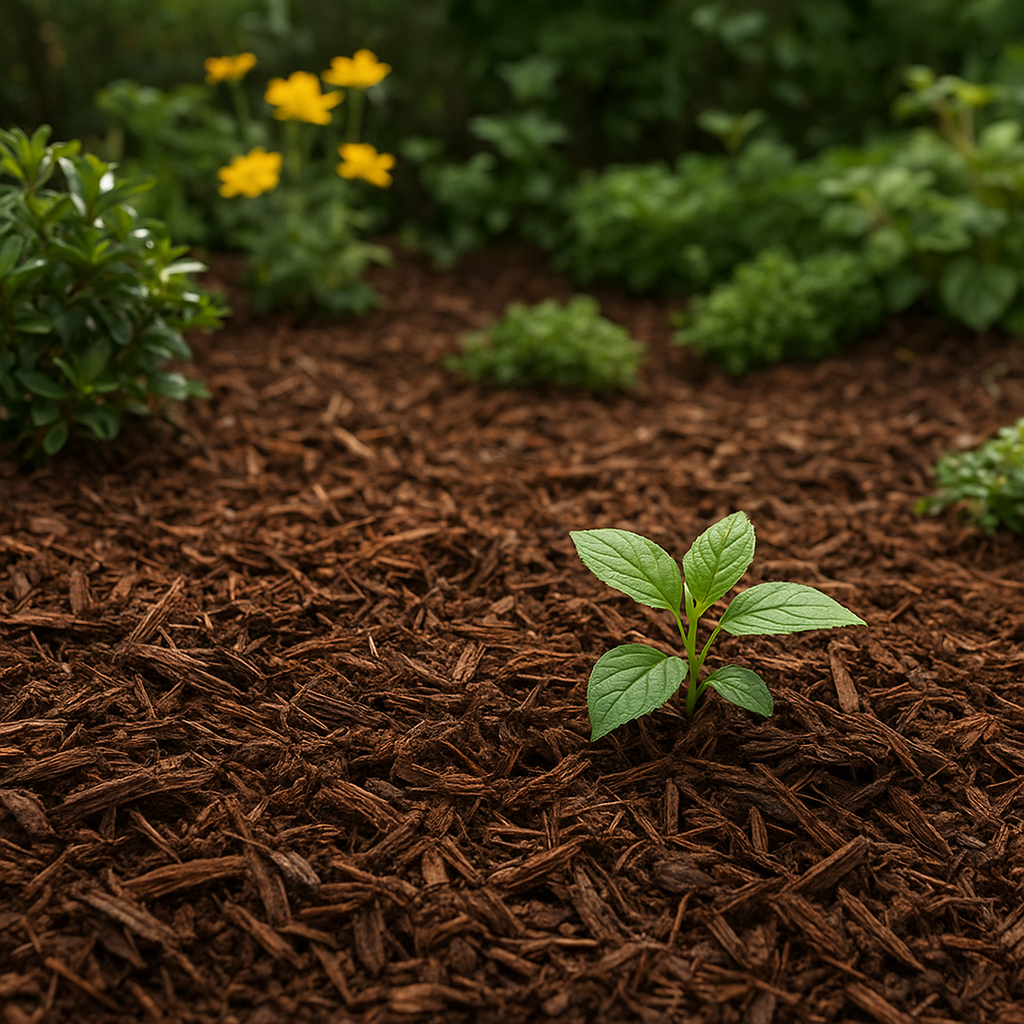
- Apply a 5–10 cm layer around plants, avoiding direct contact with stems to prevent rot.
- Top up mulch annually or as decomposition progresses to maintain effective coverage.
- Consider local availability and cost to ensure cost-effectiveness and minimal transport emissions.
By adopting these best practices, farmers can maximize the myriad benefits of organic mulch while fostering a thriving agricultural ecosystem.