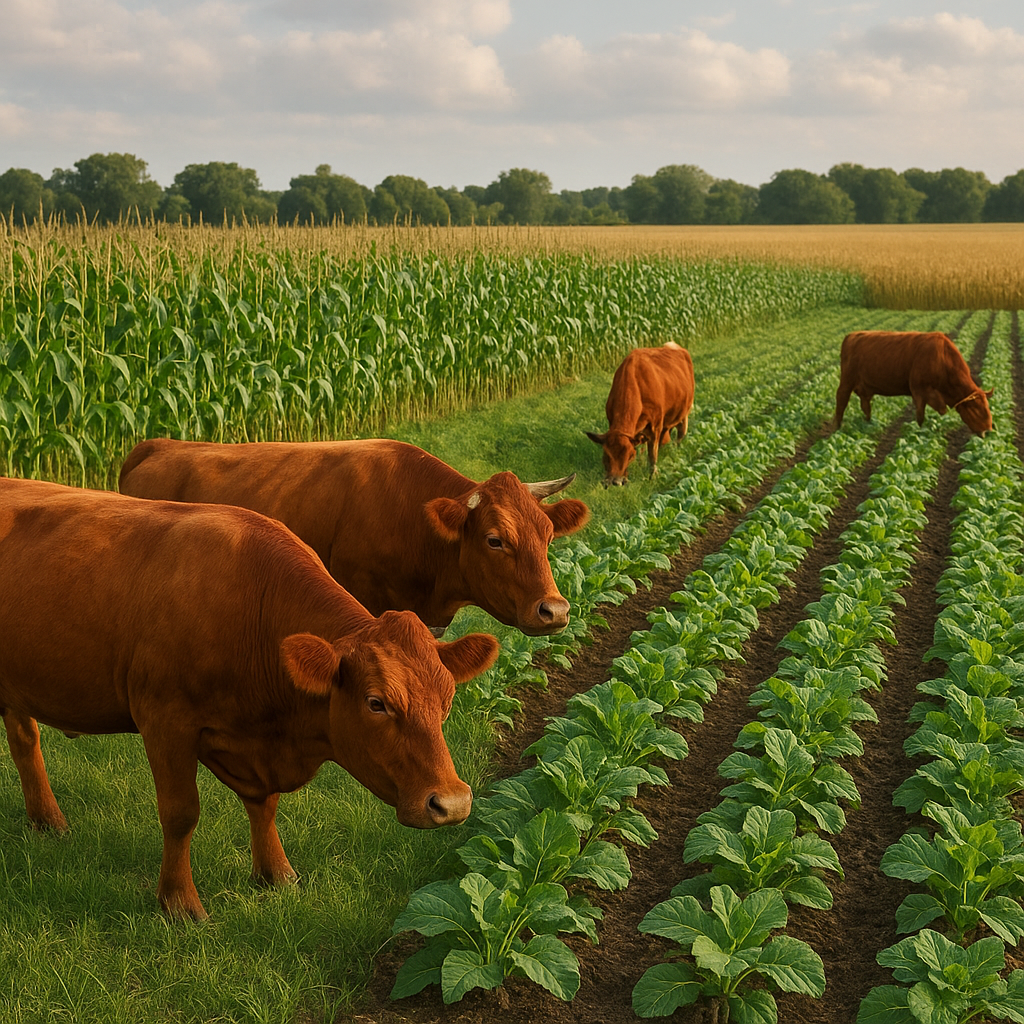
Integrating livestock and crops on the same farm creates a dynamic system where animals and plants support each other through natural cycles. This approach harnesses the synergy between grazing animals and cultivated fields, improving overall productivity. By blending animal husbandry with plant production, farmers can reduce external inputs, enhance ecosystem health, and build long-term sustainability into their operations.
Environmental Advantages of Integrated Farming
Enhancing Soil Health and Fertility
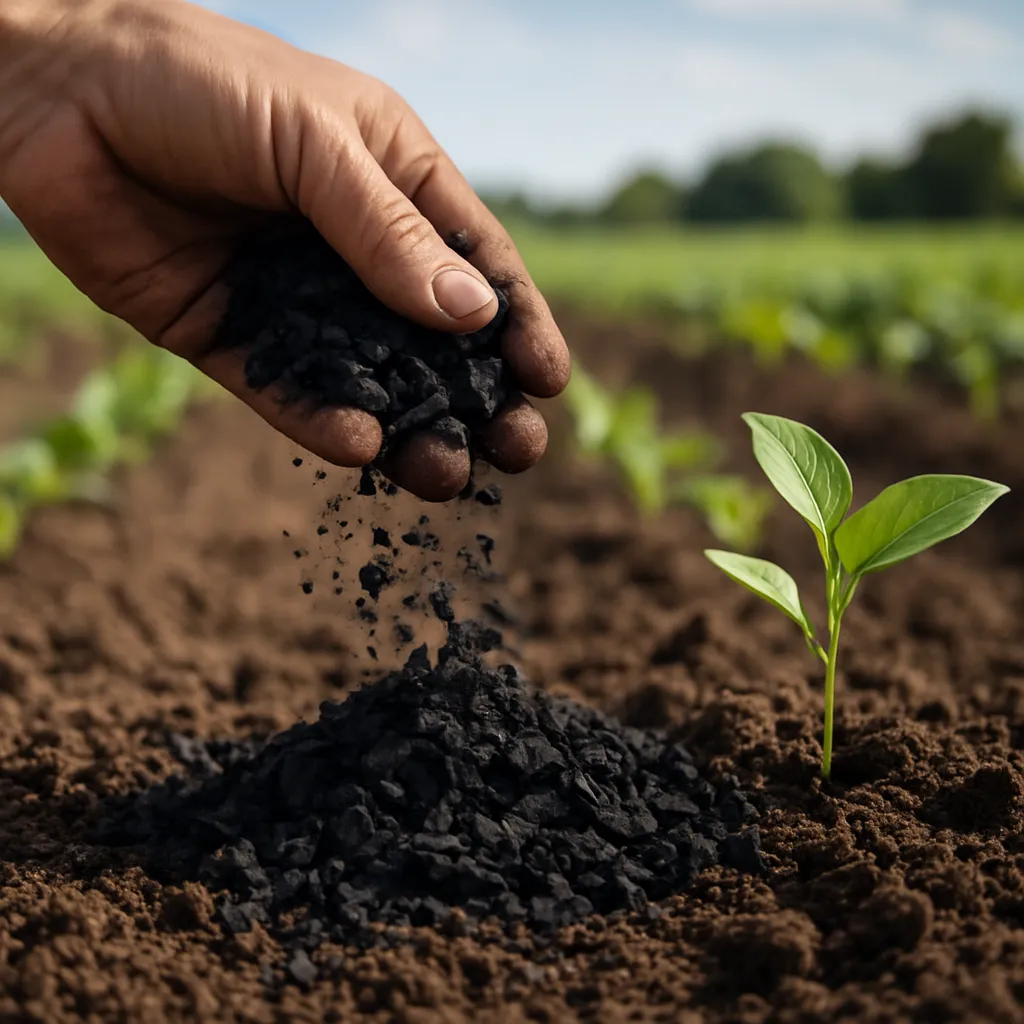
One of the most striking benefits of combining livestock and crops is the improvement in soil structure. Grazing animals deposit manure directly onto pastures and fields, returning essential nutrient elements such as nitrogen, phosphorus, and potassium back to the land. Microbial activity increases in response to diverse organic inputs, leading to enhanced aggregation of soil particles and better water infiltration. Over time, roots left in the ground after harvest break up compacted layers, while animal movement helps incorporate organic matter deeper into the profile.
Cover crops and pasture mixes further stabilize soil by protecting it from erosion, suppressing weeds, and fixing atmospheric nitrogen. A well-timed rotation of crops and grazing intervals maintains continuous ground cover and ensures that root channels created by different plant species remain active pathways for water and air.
Reducing Carbon Footprint and Emissions
Farms that integrate animals and plants often rely less on synthetic fertilisers and herbicides, cutting down on carbon emissions associated with industrial production. Through strategic grazing, carbon is sequestered in both plant biomass and soil organic matter. Deep-rooted perennials store carbon below ground, while animal excreta stimulates microbial processes that lock carbon into stable humus fractions.
In addition, integrating livestock reduces the need for external feed inputs when crop residues become part of animal diets. This internal cycling diminishes transportation emissions and lessens pressure on global feed markets. By optimizing land use and recycling waste within the farm, operators can significantly lower their overall greenhouse gas footprint.
Economic and Social Benefits
Diversified Income Streams
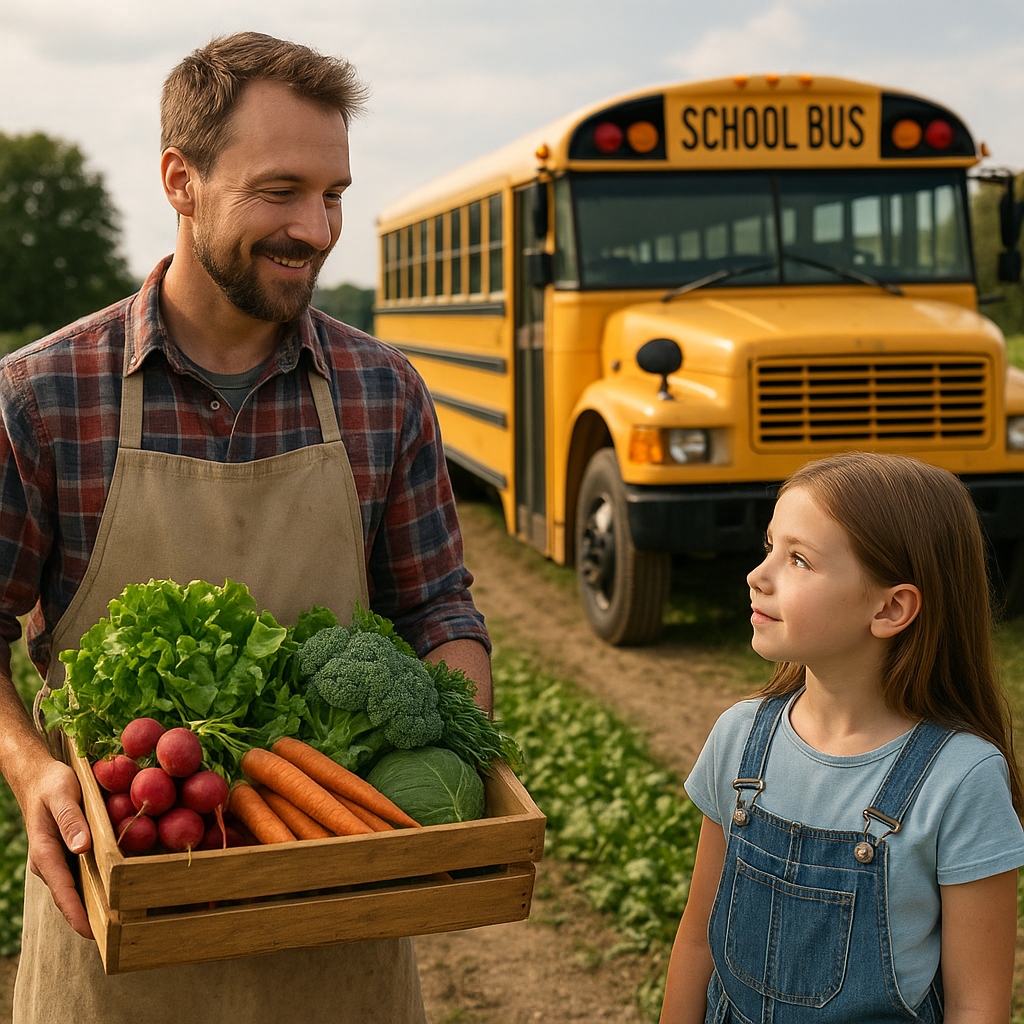
Bringing together livestock and cropping systems enables farmers to tap into multiple revenue sources. Grain and vegetable sales can be complemented by animal products such as meat, milk, wool, or eggs. This diversity enhances resilience against market fluctuations: if one commodity faces price drops, another may compensate. Furthermore, the value-added potential of combined products—such as on-farm sausage production or artisanal cheese—can boost profitability and create rural employment opportunities.
Labor and Resource Efficiency
Coordinated planning of crop and livestock operations often leads to labor-saving synergies. For example, fields used for grazing after grain harvest eliminate the need for separate cover crop seeding. Animals can manage crop residues, reducing time spent on mechanical tillage or residue removal. Shared use of machinery—like tractors and trailers—lowers equipment costs and maintenance needs.
Water management becomes more efficient when irrigation systems serve both pastures and crop fields, and drainage solutions benefit from the complementary rooting patterns of grasses and annuals. By pooling resources, farmers also strengthen community bonds when cooperating on extension services, equipment sharing, or cooperative marketing efforts.
Practical Implementation Strategies
Designing Rotational Grazing and Cropping Cycles
Successful integration requires careful scheduling of planting, grazing, and resting periods. Key considerations include forage growth rates, animal nutritional requirements, and seasonal climatic conditions. A typical plan might involve:
- Early spring grazing on overwintered cover crops.
- Summer cultivation of cash crops such as cereals, legumes, or vegetables.
- Late-season grazing on harvested stubble or dedicated forage crops.
- Winter resting and nutrient incorporation through green manures.
Such rotations foster continuous ground cover and maximize nutrient capture. It is essential to monitor pasture health, adjusting stocking density and moving animals frequently to avoid overgrazing.
Managing Livestock Manure and Crop Residues
Livestock excreta is a potent source of fertility when properly managed. Composting manure with straw, wood chips, or crop residues reduces odor, stabilises nutrients, and eliminates pathogens. The resulting compost can be applied to fields during pre-planting operations, improving soil tilth and moisture retention.
Direct grazing on crop residues—such as corn stalks or sunflower stalks—provides animals with supplemental forage while accelerating residue breakdown. This practice cuts down on mechanical tillage and helps maintain soil organic carbon. Monitoring residue intake and animal health metrics ensures that livestock receive balanced nutrition throughout the cycle.
Equipment and Infrastructure Considerations
While integrated systems offer cost savings, initial investments may include temporary fencing, water troughs, and handling facilities. Portable electric fencing allows flexible paddock design, enabling farmers to tailor grazing pressure according to forage availability. Mobile water systems can follow livestock across fields, reducing the labor required for daily watering.
Feed storage and processing areas benefit from dual-purpose designs. Grain bins can serve both feed and seed storage, while barns with adjustable pen layouts adapt to different animal ages and sizes. Designs that support both crop and animal workflows improve overall farm logistics.
Enhancing Biodiversity and Ecosystem Services
Supporting Pollinators and Beneficial Insects
Integrating perennial pastures, hedgerows, and wildflower strips alongside annual crops creates habitat diversity. Pollinators such as bees and butterflies thrive on flowering plants, boosting fruit and seed set in adjacent fields. Predatory insects reduce pest pressures, lowering the need for chemical controls.
Fostering Wildlife and Natural Predators
Mosaic landscapes—where patches of pasture alternate with cultivated plots—support a wider range of bird and mammal species. Raptors, for instance, hunt rodents in pastures, providing natural pest regulation. Riparian zones enriched by grazing animals help maintain healthy waterways and protect against soil erosion.
Building Long-Term Farm Resilience
Adapting to Climate Variability
Mixed systems respond more flexibly to weather extremes. During drought, conserved forages and a mix of deep and shallow-rooted plants ensure livestock nutrition. In wet seasons, rotational grazing on well-drained pastures helps protect sensitive fields from compaction. This adaptive capacity reduces vulnerability to unpredictable climate events.
Promoting Economic Stability
By diversifying production and recycling on-farm resources, integrated systems build buffers against external shocks. Credit risks decrease as farmers depend less on purchased inputs. Community-supported agriculture (CSA) programs and direct-to-consumer marketing further strengthen local food networks, ensuring steady cash flow year-round.
Case Study: A Midwest Grain–Livestock Operation
A family-run farm in the central United States converted 60 percent of its corn–soybean acreage into rotationally grazed pastures. Over five years, the operation achieved:
- 20 percent increase in soil organic matter.
- 30 percent reduction in fertilizer costs.
- 15 percent rise in total farm income due to diversified sales.
- Noticeable improvement in water infiltration rates and reduced crop insurance premiums.
The farm’s owner attributes success to strategic timing of grazing events and close monitoring of forage quality. Collaboration with local extension agents and participation in pasture walks helped refine grazing plans and integrate new perennial species into the mix.
Conclusion
Integrating livestock and crops offers a pathway to more efficient, productive, and ecologically sound agriculture. By closing nutrient loops, enhancing biodiversity, and generating multiple income streams, farmers create resilient systems equipped to meet the demands of a changing environment. Embracing this holistic model can benefit producers, consumers, and the planet alike.