Companion planting is an age-old agricultural practice that leverages the natural relationships between different plant species to enhance overall farm productivity. By understanding how certain plants benefit each other when grown in proximity, farmers can optimize space, improve soil conditions, and reduce reliance on chemical inputs. This guide explores the science, advantages, and hands-on techniques of companion planting, revealing how thoughtful plant pairings can foster a resilient and thriving cropping system.
Understanding Companion Planting
At its core, companion planting relies on principles of mutualism and resource sharing among plants. When selected carefully, plant combinations can support one another through various mechanisms such as nitrogen fixation, allelopathy suppression, and habitat provision for natural predators of pests. Historical records show that traditional agricultural societies, from the Native American “Three Sisters” (corn, beans, and squash) to ancient Chinese rice systems, utilized companion strategies to sustain food security and environmental harmony.
Ecological Interactions
Three primary ecological interactions underpin successful companion planting:
- Mutualism: Both plants receive clear benefits, such as legumes enriching soil nitrogen for neighboring cereals.
- Commensalism: One plant benefits while the other remains largely unaffected, for example, tall sunflowers offering shade to low-growing lettuce.
- Parasitism Avoidance: Some pairings inhibit the growth of parasitic weeds or pathogens that could harm companion crops.
Key Components of Plant Pairings
- Root architecture: Combining deep-rooted and shallow-rooted species prevents nutrient competition and promotes better soil health.
- Canopy structure: Varying heights optimize light distribution, with towering plants sheltering delicate seedlings.
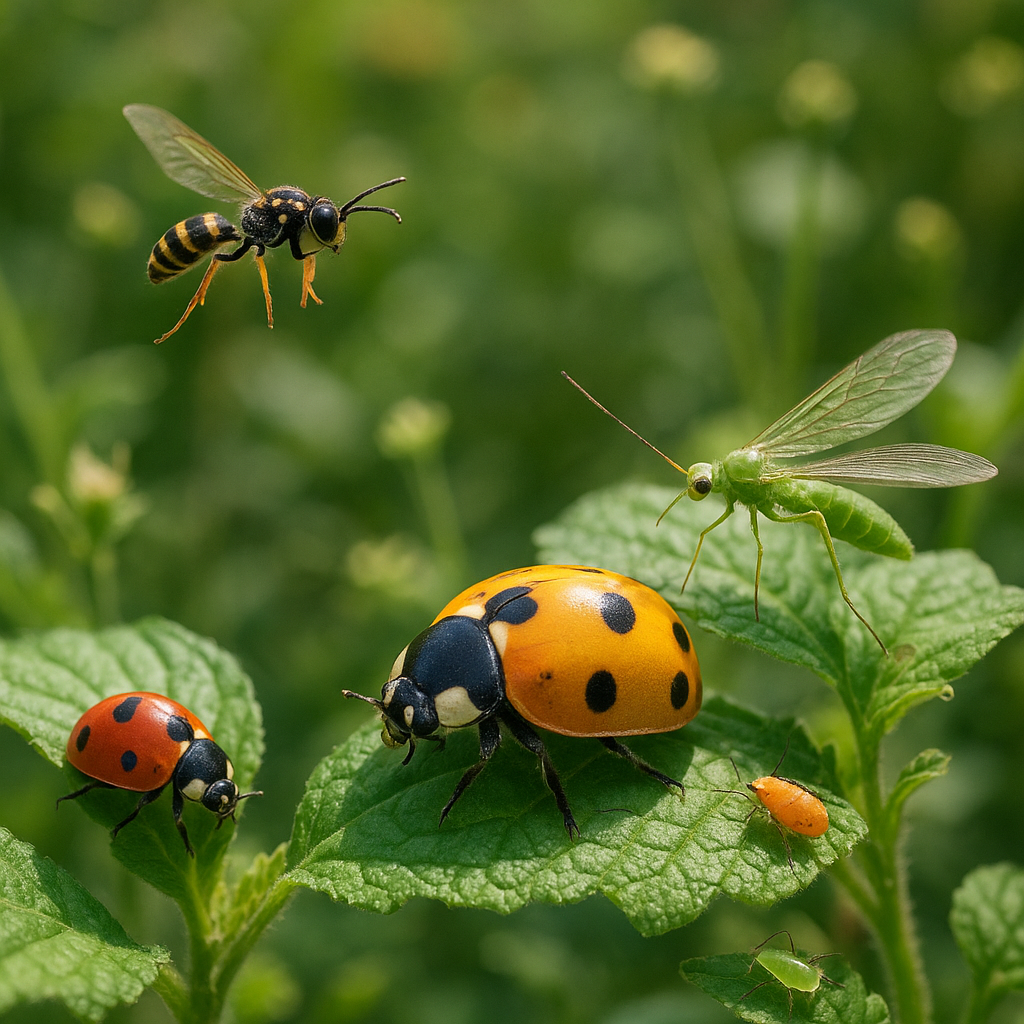
- Flowering cycles: Overlapping bloom periods sustain populations of beneficial insects such as pollinators and predatory wasps.
Key Benefits for Sustainable Farming
Adopting companion planting can deliver a multitude of environmental and economic advantages. Farmers can experience higher resilience against climate variability, accelerated pest control, and improved crop performance without heavily relying on synthetic inputs.
Pest and Disease Management
- Trap crops: Certain plants, like mustard or radish, can lure pests away from main crops, acting as sacrificial barriers.
- Repellent species: Aromatic herbs such as basil and marigold emit volatile compounds that deter pests, bolstering pest management naturally.
- Predator habitat: Insectary plants, including alyssum and dill, attract predatory insects that feed on aphids, caterpillars, and other pests.
Improved Soil Fertility
- Legume integration: Beans and peas convert atmospheric nitrogen into forms usable by plants, enhancing nutrient availability and reducing the need for chemical fertilizers.
- Cover cropping: Species like clover or vetch protect soil from erosion and supply organic matter upon decomposition, enriching both macro and micronutrients.
- Root exudates: Certain plants secrete compounds that stimulate beneficial microbial activity, promoting a balanced rhizosphere.
Yield Enhancement and Crop Diversity
- Intercropping systems can increase land-use efficiency, producing multiple harvests from the same plot.
- Polycultures often show increased yield improvement due to reduced competition and maximized resource capture.
- Greater biodiversity within fields fosters resilience against extreme weather events and disease outbreaks.
Practical Applications and Techniques
Implementing companion planting requires site-specific planning, trial-and-error, and continuous observation. Below are several proven methods to integrate this approach into both small-scale gardens and larger agricultural enterprises.
Intercropping Strategies
Intercropping involves alternating rows or patches of different crops. Common models include:
- Strip intercropping: Wide strips of two or more crops are grown side by side to facilitate mechanized planting and harvesting.
- Relay intercropping: A second crop is sown into a mature stand before the first crop is harvested, ensuring continuous ground cover and maximizing seasonal productivity.
- Mixed intercropping: Seeds of different species are broadcast together, creating diverse ground cover that suppresses weeds and stabilizes ecological balance.
Nurse Crops and Trap Crops
Nurse crops provide temporary shelter or structural support, while trap crops draw pests away from main plantings:
- Alfalfa as a nurse crop for young fruit trees, preventing weed encroachment and conserving soil moisture.
- Mustard planted around brassicas to attract and localize cabbage root fly infestations.
- Sorghum-sudangrass hybrids used as living mulch to suppress weeds and provide biomass.
Designing a Companion Planting Plan
To craft an effective plan, follow these steps:
- Assess your soil type, climate, and available space.
- Select primary crops based on market demand or household needs.
- Research compatible companions, avoiding combinations that hinder each other’s growth or attract the same pests.
- Map planting layout to balance nutrient uptake and light requirements.
- Monitor performance and adjust pairings annually, learning from successes and failures.
By embracing companion planting, farmers can achieve a harmonious integration of multiple species, leading to resilient agroecosystems that thrive with minimal external inputs. The thoughtful combination of plant partners paves the way for sustainable productivity, environmental stewardship, and long-term farm viability.