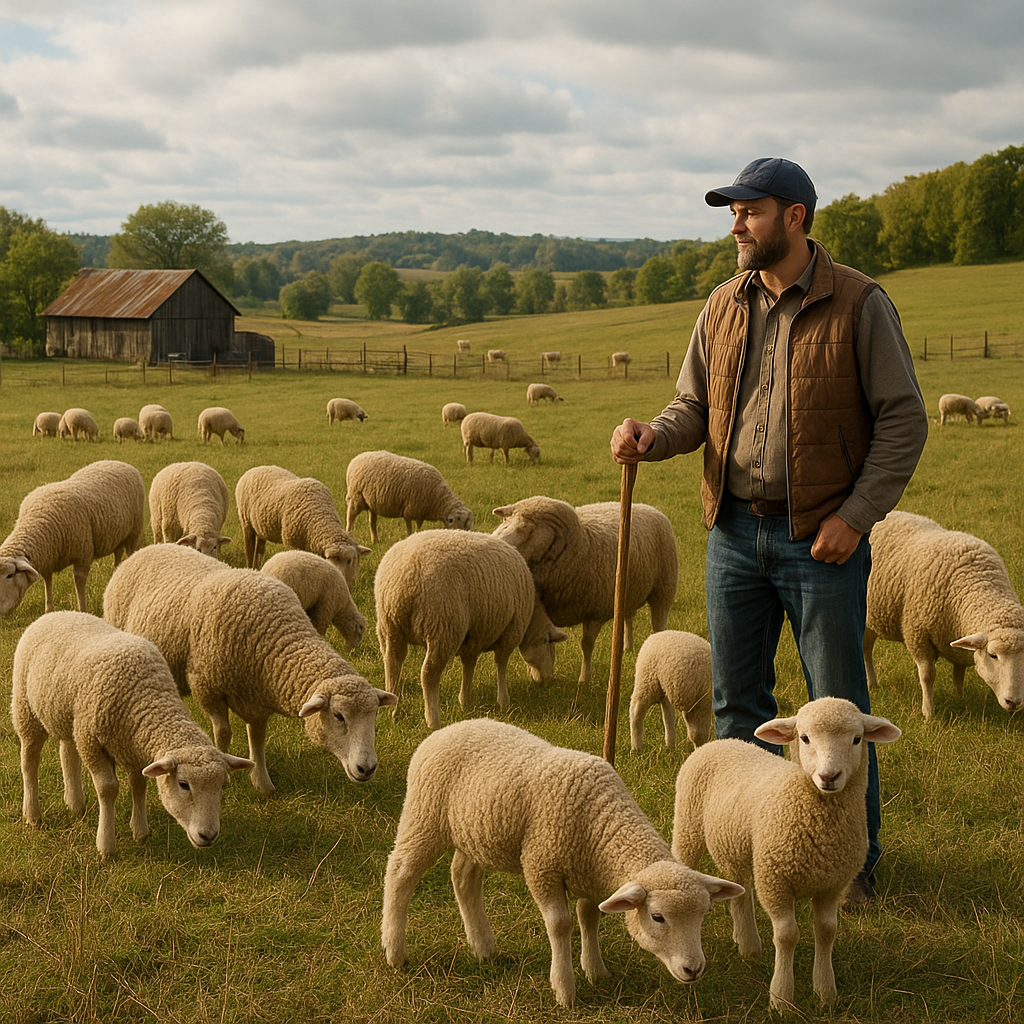
Sheep farming offers a blend of tradition and innovation, demanding careful planning, attention to detail, and a passion for animal care. Whether you aim to produce high-quality meat, luxurious fleece, or breeding stock, understanding the essentials will set the stage for a thriving enterprise. This guide explores practical aspects of sheep husbandry, ranging from selecting the right animals to marketing your products in a competitive industry.
Choosing the Right Sheep and Farm Layout
Success in sheep rearing begins with selecting appropriate breed and designing a farm layout that supports efficient management. Different breeds excel in meat production, wool quality, or dual-purpose outputs. Research local conditions, climate, and soil type to determine which genetics suit your objectives. Common meat breeds like Dorper and Suffolk contrast with Merino or Rambouillet, prized for their fine fiber.
Assessing Your Land Resources
- Stocking Density: Plan for 5–10 sheep per acre, adjusting for forage quality and rotation frequency.
- Fencing and Shelter: Durable wire or electric fences help contain your flock, while windbreaks and barns protect from extreme weather.
- Water Access: Reliable water points near pastures reduce stress and labor during daily checks.
Infrastructure Essentials
- Handling Facilities: Chutes, pens, and scales simplify tasks such as vaccination, weighing, and sorting.
- Feed and Equipment Storage: Secure, ventilated barns prevent spoilage and vermin infestation.
- Biosecure Entry Points: Establish a perimeter buffer and disinfection stations to uphold biosecurity standards.
Pasture Management and Nutrition
Quality forage lies at the heart of profitable sheep production. Effective pasture management optimizes grazing, enhances soil health, and supports steady weight gain. Rotational grazing divides land into paddocks, prolonging regrowth and minimizing parasite burdens by breaking worm life cycles.
Seasonal Feeding Strategies
- Spring and Summer: Tap into fresh grass to fulfill most dietary needs, supplementing with mineral blocks.
- Autumn: Introduce conserved forages such as hay or silage to maintain body condition as grasses decline.
- Winter: Provide quality hay, grain mixes, or pelleted rations rich in energy and protein, ensuring adequate nutrition during cold spells.
Soil and Forage Improvement
Regular soil tests guide liming and fertilization, promoting nutrient-rich pastures. Overseeding legumes like clover boosts nitrogen fixation and protein content. Integrate cover crops during fallow periods to curb erosion and add organic matter.
Health Management and Preventative Care
Maintaining robust health in sheep demands a multifaceted approach: routine examinations, vaccination programs, and a parasite control plan. Early detection of issues like foot rot, pneumonia, and internal parasites can save both lives and expenses.
Vaccinations and Deworming
- Clostridial Vaccines: Provide protection against enterotoxemia and tetanus.
- Orf and Footrot Shots: Administer according to local risk factors and veterinary guidance.
- Anthelmintics Rotation: Rotate chemical classes to prevent parasite resistance and preserve drug efficacy.
Monitoring and Record-Keeping
- Individual IDs: Ear tags or electronic markers allow precise tracking of treatments and performance.
- Production Records: Document weight gains, lambing rates, and feed conversions to refine management.
- Health Logs: Chart vaccination dates, illness outbreaks, and veterinary visits for audit trails.
Breeding Programs and Genetic Improvement
Reproductive efficiency is vital for sustainable growth. Design a breeding schedule that maximizes lamb crop, spacing rams and ewes based on heat cycles and market timelines. Select animals with desirable traits—growth rate, fleece fineness, or maternal instincts—to strengthen your herd over generations.
Estrus Synchronization and Lambing
- Hormonal Protocols: Use progestogen devices and eCG to synchronize ewes for compact lambing windows.
- Lambing Jigs: Keep lambing pens clean and well-bedded, offering easy access to both mother and lamb.
- Neonatal Care: Ensure colostrum intake within the first six hours, monitor for hypothermia, and tag lambs before they wander.
Genetic Tools and Selection Indexes
Employ Estimated Breeding Values (EBVs) and genomic testing to pinpoint high-performance animals. Balanced selection emphasizes sustainability and resilience alongside productivity.
Shearing, Wool Handling, and Marketing
Shearing is more than a seasonal task—it shapes the value chain from fleece to finished product. Skilled shearers reduce stress on animals and maximize fleece quality. Proper handling and storage preserve fiber integrity, allowing you to command premium prices in niche market segments.
Wool Classing and Grading
- Classing Stations: Sort fleeces by micron diameter, staple length, and yield.
- Packaging: Use breathable sacks to prevent moisture buildup and mold.
- Traceability: Record batch origins to meet buyer demands for provenance and ethical sourcing.
Value-Added Products
Beyond raw fleece, explore on-farm processing or partnerships to create yarn, felted goods, or handcrafted textiles. Engaging local artisans and cooperative ventures can diversify income streams and highlight your commitment to quality and innovation in sheep husbandry.
Sustainable Practices and Future Trends
Integrating sustainability ensures long-term viability for both your farm and the surrounding environment. Techniques like agroforestry, rotational grazing, and renewable energy installations reduce ecological footprints while improving productivity.
Environmental Stewardship
- Riparian Buffers: Protect waterways from nutrient runoff and encourage wildlife corridors.
- Integrated Pest Management: Encourage beneficial insects and birds to curb pests naturally.
- Carbon Sequestration: Adopt cover crops and minimum-till for enhanced soil carbon storage.
Technology and Innovation
Precision farming tools—drones for pasture monitoring, wearable health sensors, and automated feeders—offer data-driven insights to elevate your operation. Embrace continuous learning and be ready to adapt as the agricultural landscape evolves.
Key Terms to Remember:
- flock
- breed
- pasture
- nutrition
- health
- biosecurity
- wool
- sustainability
- husbandry
- market