Beekeeping offers a unique blend of hands-on involvement with nature and the reward of harvesting golden honey. As an accessible form of apiculture, it helps newcomers appreciate the vital role bees play in pollination while fostering a deeper understanding of their intricate social structure. This guide is crafted to lead beginners through essential steps, from choosing your site to managing Colony health and collecting hive products. Whether you aim to support local ecosystems or pursue a rewarding hobby, mastering these fundamentals will set you on the path to thriving beekeeping.
Getting Started with Your Hive
Selecting the right equipment and location is the first major decision for any aspiring beekeeper. Proper planning ensures your bees will have a safe environment that encourages strong growth and reduces potential conflicts with neighbors.
Choosing the Hive Type
Several hive designs exist, but two of the most popular are the Langstroth and the Top-Bar hive. Each offers distinct advantages:
- Langstroth Hive: Modular boxes with removable frames make inspections and honey extraction straightforward.
- Top-Bar Hive: A simpler construction suitable for small-scale operations, allowing gravity to assist honey collection.
Whichever option you select, ensure it is weatherproof and provides enough space for your colony to expand during the nectar flow season.
Site Selection and Preparation
Ideal hive placement balances sun exposure, wind protection, and accessibility:
- Orient entrance toward the southeast to catch morning sun, aiding early foraging.
- Provide natural windbreaks, such as shrubs or fences, to shelter bees during storms.
- Maintain a clear flight path of at least two meters above ground to minimize accidental contact.
Keep a water source nearby and maintain a level foundation—this will prevent stress on frames and reduce the risk of hive damage.
Understanding Bee Biology and Behavior
Knowledge of bee life cycles and social roles empowers beekeepers to anticipate hive needs and avoid common pitfalls.
Bee Castes and Functions
- Worker Bees: Sterile females responsible for foraging, brood care, and hive maintenance.
- Queen Bee: The sole reproductive female, laying up to 2,000 eggs daily at peak season.
- Drones: Males whose primary role is mating with virgin queens from other hives.
Recognizing each caste’s duties helps you monitor hive health. For instance, an aging queen may lead to decreased egg production and a shrinking population.
Brood Development and Seasonal Cycles
Understanding the brood cycle guides feeding and inspection schedules:
- Egg Stage: Lasts approximately three days, marking the beginning of a new generation.
- Brood Stage: Larvae and pupae complete development over about 21 days.
- Adult Emergence: New bees contribute to hive tasks, reinforcing workforce numbers.
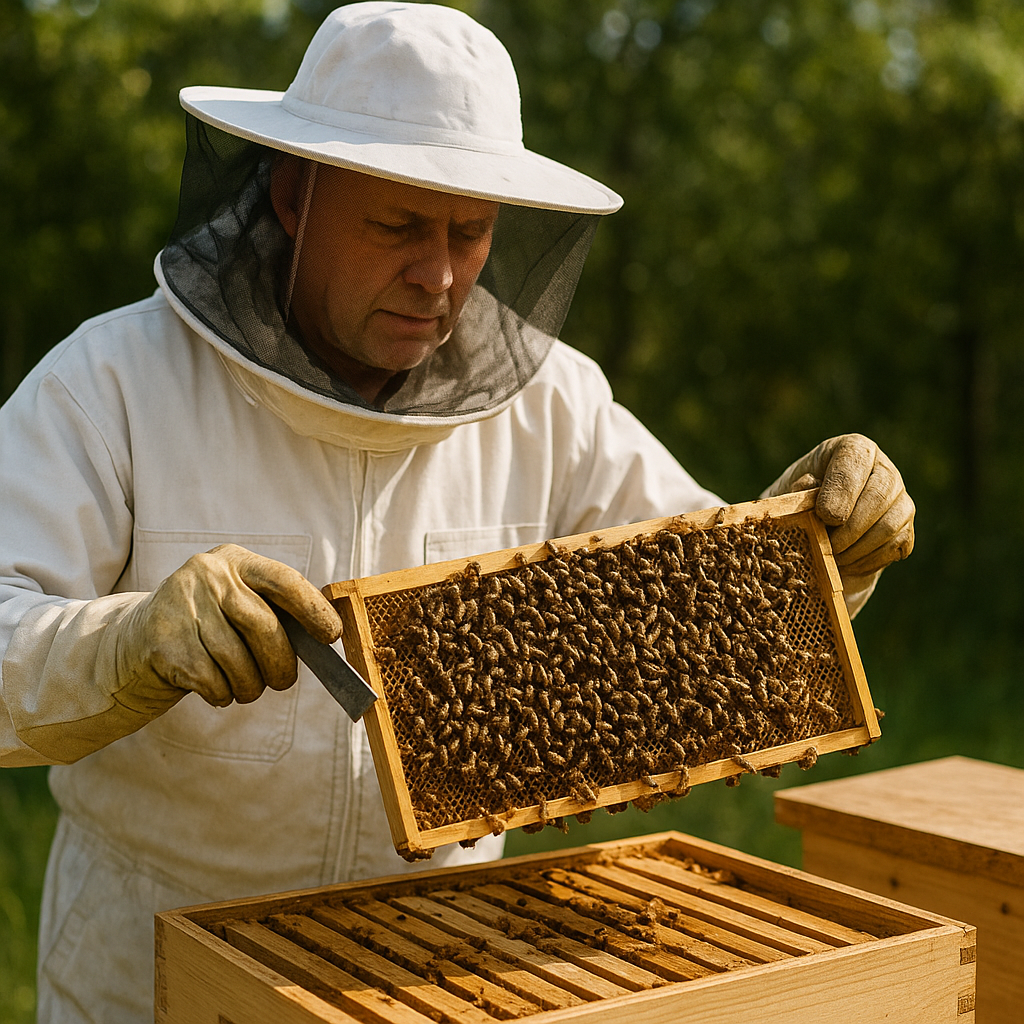
Monitoring brood patterns reveals potential issues like disease or insufficiency in food stores. Plan inspections in early spring and late summer to ensure strong colony growth during nectar flow and winter preparation.
Essential Beekeeping Equipment
Beyond the hive itself, a modest investment in protective gear and tools significantly enhances safety and efficiency.
Protective Gear
- Bee Suit or Jacket: Full-body coverage with integrated veil reduces risk of stings.
- Gloves: Leather or nitrile gloves protect hands without sacrificing dexterity.
- Boots: High-top boots prevent bees from crawling inside.
Hive Tools and Accessories
- Hive Tool: Multifunctional crowbar for prying frames and scraping propolis.
- Smoker: Encourages bees to retreat into the hive, making inspections calmer.
Also consider foundation sheets to guide comb building and a bee brush for gentle frame cleaning. Over time, you might invest in an extractor for efficient honey retrieval.
Year-Round Hive Management
Successful beekeeping involves adapting your practices to each season, ensuring continuous health and productivity for your colony.
Spring Expansion and Swarm Prevention
As temperatures rise, colonies grow rapidly. To avoid swarming, implement these strategies:
- Inspect Hives Regularly: Look for queen cells indicating preparation to swarm.
- Provide Super Boxes: Additional space for honey storage prevents congestion.
- Requeen if Necessary: Introducing a young, vigorous queen can curb swarming tendencies.
Summer Maintenance
During peak forage, bees fill supers with honey. Key summer tasks include:
- Monitoring for Pests: Treat or remove small hive beetles and wax moths promptly.
- Ensuring Ventilation: Open screened bottom boards to prevent overheating.
- Harvesting Honey: Extract excess honey, leaving adequate reserves for bees.
Autumn Preparation
Preparing hives for winter determines colony survival. Focus on:
- Evaluating Food Stores: Aim for a minimum of 20–30 pounds of honey per hive.
- Reducing Hive Entrance: Prevent rodent intrusion and conserve warmth.
- Final Health Inspection: Treat for varroa mites and remove dead frames.
Winter Care
During dormancy, minimize disturbances. Check for wind damage and ensure adequate insulation without blocking ventilation.
Harvesting Honey and Hive Products
Beyond honey, your hive produces a variety of valuable products that support hive sustainability and enhance market offerings.
Honey Extraction
After confirming sufficient honey reserves for the bees, perform extraction:
- Uncap Frames: Use a heated knife or scraper to remove wax seals.
- Extract with Centrifuge: Spin frames in an extractor to release honey.
- Filter and Bottle: Strain through fine mesh to remove debris before bottling.
Beeswax and Propolis
Consider these additional hive byproducts:
- Propolis: Resinous substance used by bees to seal gaps; valued for medicinal properties.
- Beeswax: Melt and filter into blocks for candles, cosmetics, or polish.
Bee Bread and Royal Jelly
Advanced beekeepers harvest:
- Bee Bread: Fermented pollen rich in protein, collected from trap frames.
- Royal Jelly: Proteinaceous secretion fed to queen larvae, requiring specialized cages for collection.
Marketing these niche products can supplement income and promote awareness of honey bee biology.
Advanced Tips for Healthy Colonies
As your experience grows, refine your approach with these advanced techniques to maintain strong, resilient hives.
- Practice Integrated Pest Management (IPM): Combine mechanical, cultural, and biological controls for pests.
- Monitor Hive Weight Remotely: Use scales to track food stores without opening the hive.
- Encourage Native Flora: Plant bee-friendly gardens to support diverse nectar and pollen sources.
- Record-Keeping: Maintain detailed logs of inspections, treatments, and harvests to spot trends over seasons.
By continually learning and adapting, beekeepers contribute to environmental stewardship and ensure thriving apiaries. Embrace each challenge as a chance to deepen your connection with these remarkable insects and harvest the sweet rewards of your labor.